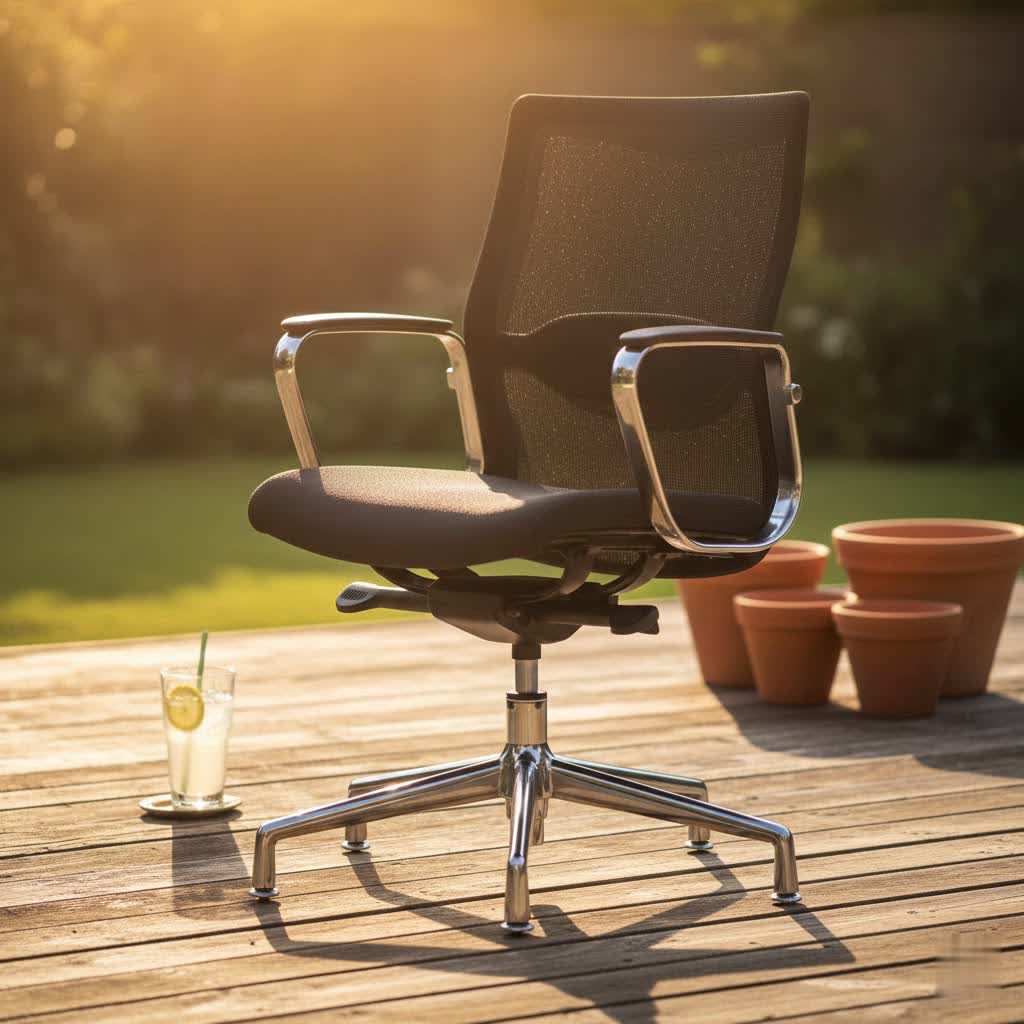
Spending countless hours at your desk can take a toll on your body, leading to discomfort, fatigue, and even chronic pain. A high-quality office desk chair is not just a piece of furniture; it’s an investment in your health, well-being, and ultimately, your productivity. But with so many options on the market, how do you find the Best Office Desk Chair that truly meets your needs? This comprehensive guide will walk you through everything you need to know, from understanding different chair types and key features to selecting the perfect model and maintaining it for years of comfortable use.
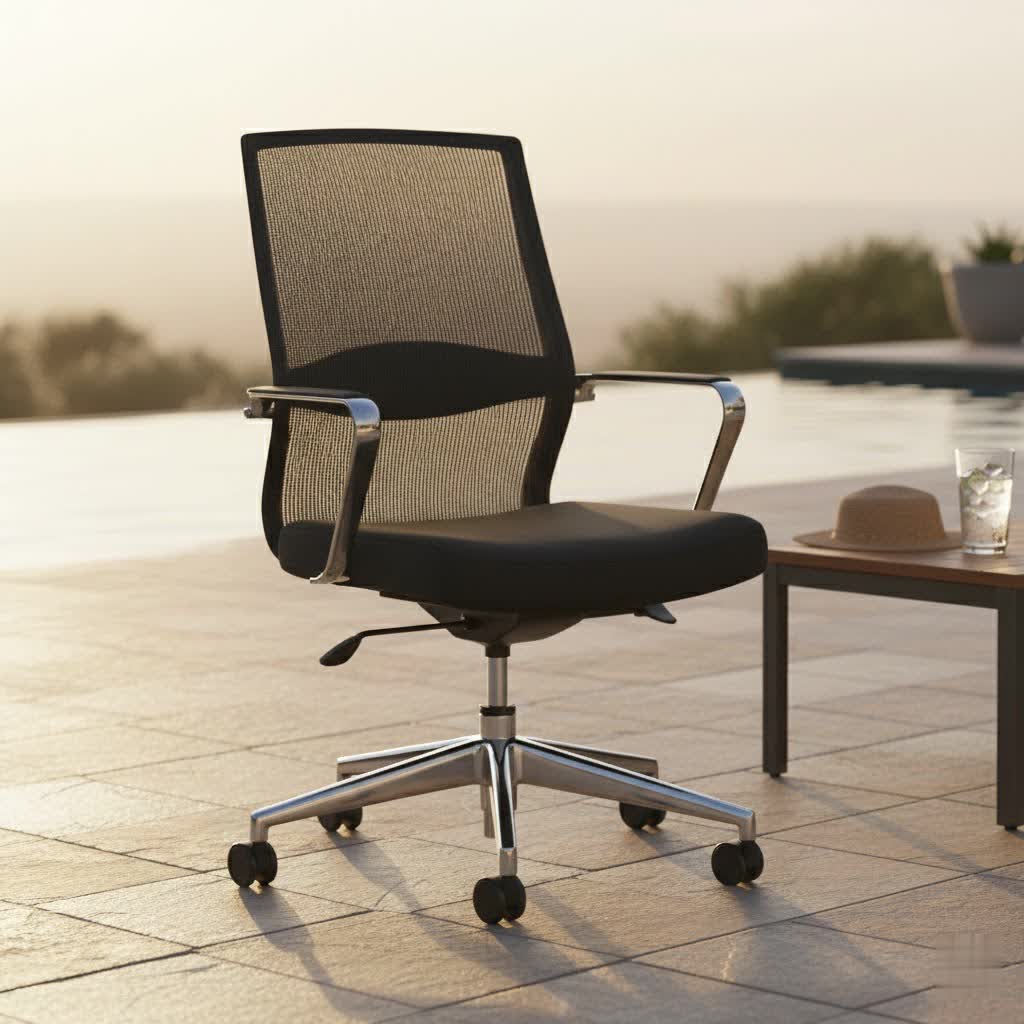
Understanding Different Types of Office Desk Chairs
The world of office chairs is diverse, with each type designed to cater to specific needs and preferences. Knowing the characteristics of each can help narrow down your choices.
Swivel Office Chairs
|
Our Picks for the Best Office Chair in 2026
We may earn a commission when you use one of our links to make a purchase.
|
||
| Num | Product | Action |
|---|---|---|
| 1 | BestOffice - Ergonomic Office Chair - Mid-Back Swivel Desk Chair - Breathable Backrest & Lumbar Support - Adjustable Height - Sponge Seat - Rolling Wheels - Black - for Adults & Women |

|
| 2 | TRALT Office Chair Ergonomic Desk Chair, 330 LBS Home Mesh Office Desk Chairs with Wheels, Comfortable Gaming Chair, High Back Office Chair for Long Hours (White) |
|
| 3 | Monhey Desk Computer Chairs - Ergonomic with Lumbar Support & Flip-up Arms Home Office Height Adjustable High Back Rockable Swivel 360° Warm Taupe Mesh Study Chair |
|
| 4 | TRALT Office Chair - Ergonomic Desk Chair with Adjustable Lumbar Support, Mesh Computer Chair, Executive Chairs for Home Office Comfortable Lumbar Support (Black) |
|
| 5 | TRALT Office Chair Ergonomic Desk Chair, 330 LBS Home Mesh Office Desk Chairs with Wheels, Comfortable Gaming Chair, High Back Office Chair for Long Hours (Black) |
|
| 6 | Sweetcrispy Office Computer Desk Chair, Ergonomic High-Back Mesh Rolling Work Chairs with Wheels and Adjustable Headrests, Comfortable Lumbar Support, Comfy Flip-up Arms for Home, Bedroom, Study,Black |
|
| 7 | Marsail Ergonomic Office Chair: Office Desk Chair with High Back Mesh and Adjustable Lumbar Support Rolling Work Swivel Task Chairs with Wheel 3D Armrests and Headrest |
|
| 8 | Amazon Basics Classic Puresoft PU Padded Mid-Back Height Adjustable Office Computer Desk Chair with Armrest, 26"D x 23.75"W x 42"H, Black |
|
| 9 | Ergonomic Office Chair with Footrest - Adjustable Lumbar Support & Headrest, 90-160° Reclining Mesh Back Computer Chair - Home Office/Gaming, 350lbs Capacity (SGS Certified) |
|
| 10 | Amazon Basics Classic Puresoft PU Padded Mid-Back Height Adjustable Office Computer Desk Chair with Armrest, 26"D x 23.75"W x 42"H, Cream |
|
These are perhaps the most common type, offering 360-degree rotation and wheels for easy mobility. They are versatile and can fit into various office settings, providing basic adjustability for height and sometimes back tilt.
Kneeling Chairs
Designed to promote a more open hip angle and better spinal alignment, kneeling chairs distribute your weight between your buttocks and shins. They can be beneficial for those looking to relieve lower back pressure, though they may not be suitable for extended periods or individuals with knee issues.
Mesh Office Chairs
Characterized by their breathable mesh backrests and sometimes seats, these chairs are excellent for warm climates or users who tend to overheat. The mesh provides flexible support and promotes airflow, keeping you cool and comfortable.
Leather Office Chairs
Often associated with executive offices, leather chairs exude a sense of luxury and sophistication. They are generally easy to clean and maintain, offering a plush seating experience, though they may lack the breathability of mesh chairs.
Ergonomic Office Chairs
These chairs are the gold standard for long-term sitting, meticulously designed to support the human body in various postures. True ergonomic chairs offer extensive adjustability across multiple components, allowing users to customize the fit to their unique body shape and work habits. They are paramount for preventing discomfort and promoting good posture during prolonged use.
Key Factors to Consider When Buying an Office Desk Chair
Choosing the best office desk chair involves more than just aesthetics. It requires a careful evaluation of several critical factors that impact comfort, support, and durability.
Comfort and Support
The primary purpose of an office chair is to provide comfort and support, especially during long working hours.
- Backrest: Look for a backrest that supports the natural curve of your spine, particularly the lumbar region. Adjustable lumbar support is crucial, allowing you to position it precisely where your lower back needs it most. The backrest should ideally reach your shoulders to provide comprehensive support.
- Seat Cushion: A good seat cushion should be comfortably padded without being too soft, offering adequate support. Breathable materials are a plus, and the depth should allow you to sit with your back against the backrest while leaving a few inches between the edge of the seat and your knees. A “waterfall” front edge can improve leg circulation.
- Armrests: Adjustable armrests are vital to reduce strain on your shoulders and neck. They should allow your arms to rest comfortably, keeping your elbows close to your body and forearms parallel to the floor.
Material
The material of your office chair influences its look, feel, and maintenance requirements.
- Mesh: Excellent for breathability and flexibility, mesh is a popular choice for those in warmer environments. It conforms to your body, offering supportive comfort.
- Leather: Offering a premium feel, leather is durable and easy to wipe clean. However, it can trap heat, making it less ideal for long sessions in warm conditions.
- Fabric: Fabric chairs come in a wide array of colors and textures, providing a comfortable and softer feel. They are generally breathable but may require more effort to clean compared to leather.
Adjustability
Extensive adjustability is the hallmark of a truly ergonomic and versatile office chair.
- Seat Height: The chair should allow you to adjust the seat height so your feet rest flat on the floor, with your knees forming a 90-degree angle to reduce leg strain.
- Back Recline/Tilt: The ability to recline or tilt the backrest helps relieve pressure on your lower spine and promotes better circulation, reducing fatigue. Look for chairs with tilt lock and tension control.
- Armrests: Fully adjustable armrests (height, depth, pivot, and width) are ideal for accommodating different tasks and body types.
- Lumbar Support: Height and depth adjustable lumbar support ensures tailored lower back comfort.
Durability and Lifespan
A good office chair is a long-term investment. Consider the quality of materials and construction.
- Frame: A sturdy frame, often made of steel or reinforced alloy, indicates higher durability.
- Casters (Wheels): High-quality casters should glide smoothly and quietly across various floor surfaces without causing damage.
- Weight Capacity: Ensure the chair’s weight capacity is appropriate for the user to guarantee safety and longevity. Many top brands offer extended warranties (e.g., 7-12 years), reflecting their confidence in product durability.
Size and Style
The chair should complement your body and your workspace.
- Fit for User’s Body Type: The chair’s dimensions should align with your height and weight. For example, the seat width should be at least one inch wider than your hips, but not so wide that armrests are out of reach.
- Harmonize with Office Aesthetics: While functionality is key, the chair’s design and color should fit seamlessly with your office decor.
Comparison Table: Best Office Desk Chairs
| Brand | Model | Pros | Cons | Estimated Price Range |
|---|---|---|---|---|
| Herman Miller | Aeron | Superior ergonomics, iconic design, 12-year warranty | Very high price point | $$$$ |
| Steelcase | Gesture | Exceptional adjustability, dynamic support, 12-year warranty | High price | $$$ |
| Branch | Ergonomic Chair Pro | Excellent value, impressive adjustability, good lumbar support | Assembly required, can be firm initially | $$ |
| Hon | Ignition 2.0 | Customizable, good value, reputable brand backing | More basic design, fewer high-end features | $ |
| Sihoo | M57 / Doro C300 | Strong ergonomic features for the price, breathable mesh | Aesthetics might not appeal to everyone | $ |
| Secretlab | Titan Evo | Excellent for gaming and office work, robust build, good for taller users | Can be firm, distinct gaming aesthetic | $$ |
*Price Range Key: $ = Budget-friendly (Under $400), $$ = Mid-range ($400-$800), $$$ = Premium ($800-$1500), $$$$ = Luxury ($1500+)
How to Buy the Right Office Desk Chair
Making the right purchase requires a thoughtful approach to ensure you get a chair that truly serves your needs.
Determine Your Usage Needs
Before you start browsing, consider your daily routine and specific requirements.
- How many hours do you work daily? For extended periods (8+ hours), an advanced ergonomic chair is a necessity.
- Do you have existing back or spine issues? If so, prioritize chairs with superior lumbar support and customizable adjustments.
- What is your budget? While quality chairs are an investment, options exist across all price points.
Research Products Thoroughly
Information is power when it comes to a significant purchase like an office chair.
- Read Reviews and Comparisons: Consult reputable tech and furniture review sites for expert opinions and user experiences.
- Watch Video Reviews: Visual demonstrations can highlight features and adjustments that photos might miss.
- Consult Other Users: Ask colleagues, friends, or online communities for their personal recommendations.
Try Chairs In-Store (If Possible)
There’s no substitute for experiencing a chair firsthand.
- Sit on the Chair: Spend at least 10-15 minutes in the chair, mimicking your usual working posture.
- Adjust All Settings: Experiment with every adjustable feature to see how well it conforms to your body.
- Check Product Quality: Feel the materials, test the mechanisms, and ensure everything feels robust and well-constructed.
Purchase from Reputable Retailers
Buying from a trusted source provides peace of mind.
- Clear Warranty Policies: Understand the warranty duration and what it covers. Top brands often offer long warranties (e.g., 12 years from Herman Miller and Steelcase).
- Support for Returns/Exchanges: A good return policy allows you to change your mind if the chair isn’t the right fit after a few days of use.
Popular Office Desk Chair Brands
Several brands have established themselves as leaders in the office furniture industry, known for their quality, innovation, and ergonomic designs.
- Herman Miller: Renowned for iconic designs like the Aeron and Embody, Herman Miller chairs are at the forefront of ergonomic innovation, albeit at a premium price.
- Steelcase: A global leader, Steelcase offers a wide range of highly adjustable and durable chairs, including the popular Gesture and Leap models.
- Humanscale: Focusing on simplicity and functionality, Humanscale produces minimalist yet highly effective ergonomic chairs like the Freedom.
- Secretlab: Originally known for gaming chairs, Secretlab has crossed over into the office market with chairs like the Titan Evo, offering robust support and comfort for long hours.
- Sihoo: A rising brand, Sihoo provides ergonomic features comparable to more expensive chairs at a more accessible price point, making quality ergonomics available to a wider audience.
- Hon: A well-established manufacturer, Hon offers reliable and practical office chairs known for their durability and value, such as the Hon Ignition 2.0.
Tips for Using and Maintaining Your Office Desk Chair
Even the best office desk chair requires proper use and care to ensure its longevity and continued ergonomic benefits.
- Clean Regularly: Depending on the material, wipe down your chair with a damp cloth or a suitable cleaner to remove dust and spills. For mesh and fabric, occasional vacuuming can keep them fresh.
- Adjust Correctly to Your Posture: Regularly check and adjust your chair settings—height, lumbar support, armrests, and tilt—to ensure it continues to support your ideal ergonomic posture. Your feet should be flat on the floor, knees at 90 degrees, and arms comfortably supported.
- Avoid Sitting Too Long in One Place: Even with an ergonomic chair, it’s crucial to take regular breaks, stand up, stretch, and move around every 30-60 minutes to promote circulation and reduce static load on your spine.
- Inspect and Maintain Periodically: Check screws, casters, and adjustment mechanisms a few times a year. Tighten any loose parts and lubricate moving components if necessary to ensure smooth operation.
Conclusion
Choosing the best office desk chair is a pivotal decision that directly impacts your comfort, health, and productivity while working. By understanding the different types of chairs, considering key ergonomic factors, researching reputable brands, and trying out options, you can make an informed choice that serves your body and your work for years to come. Remember, a great office desk chair is not an expense, but an investment in a healthier, more productive you. What steps will you take today to upgrade your sitting experience?
Frequently Asked Questions
Is an ergonomic office desk chair really good for health?
Yes, an ergonomic office desk chair is highly beneficial for health. It promotes proper posture, reduces strain on the spine, neck, and shoulders, and can significantly decrease the risk of musculoskeletal disorders and chronic pain, especially during prolonged sitting. Studies have shown that ergonomic office designs can increase productivity by up to 40%.
Should I choose a leather or mesh office desk chair?
The choice between a leather and mesh office desk chair depends on your priorities. Mesh chairs offer superior breathability and flexibility, making them ideal for warmer climates or users who prefer a cooler seat. Leather chairs, conversely, provide a luxurious feel, are easy to clean, and offer a more traditional aesthetic, though they can retain heat.
How much does a good office desk chair cost?
The price of a good office desk chair varies widely based on brand, materials, and ergonomic features. While basic models can start around $100-$300, high-quality ergonomic chairs from reputable brands typically range from $400 to $1,500. Luxury ergonomic chairs with advanced features can exceed $1,500, with top-tier models like the Herman Miller Aeron often priced well over $2,000.