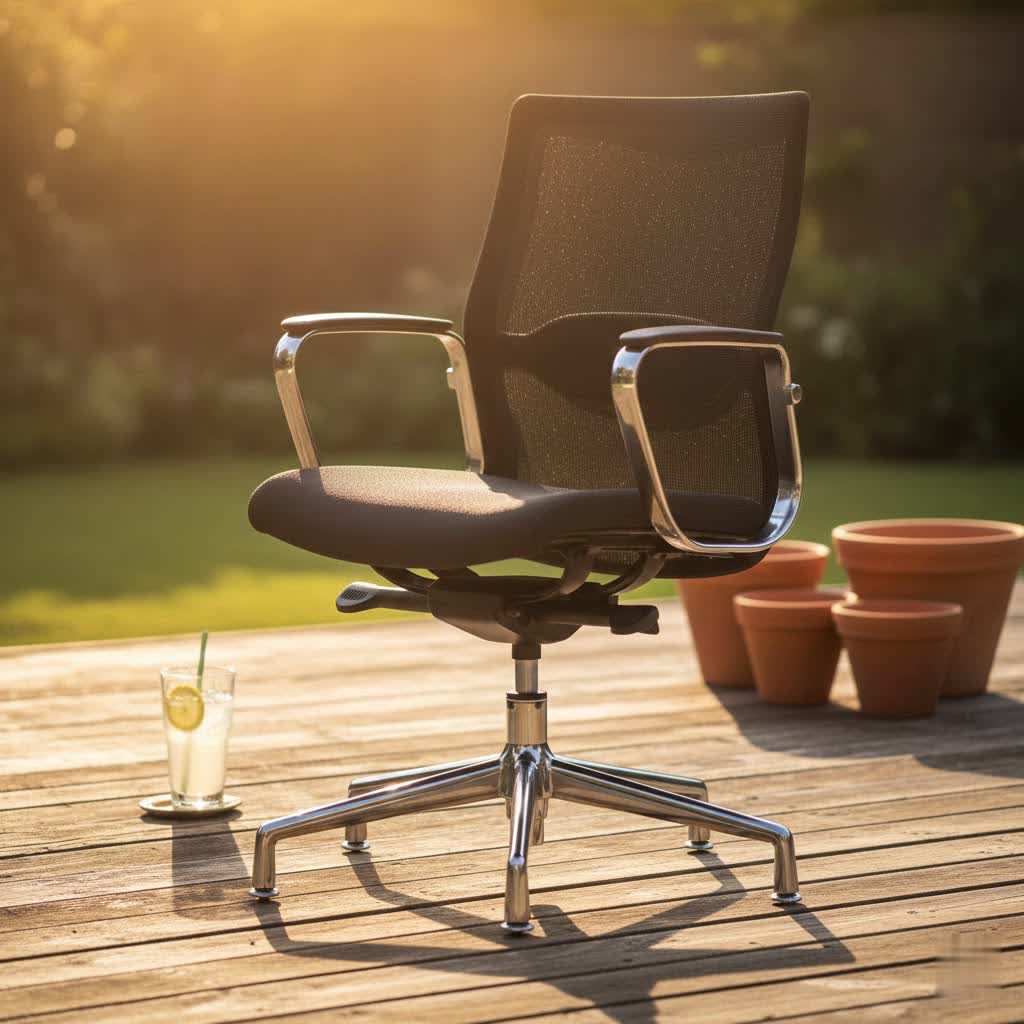
In the fast-paced world of business, your office chair is far more than just a place to sit; it’s a command center, a sanctuary of focus, and a statement of professionalism. For executives and professionals who spend countless hours at their desks, the right Executive Office Chair can make all the difference, transforming long workdays into comfortable, productive sessions. It’s about merging sophisticated aesthetics with essential comfort and cutting-edge support.
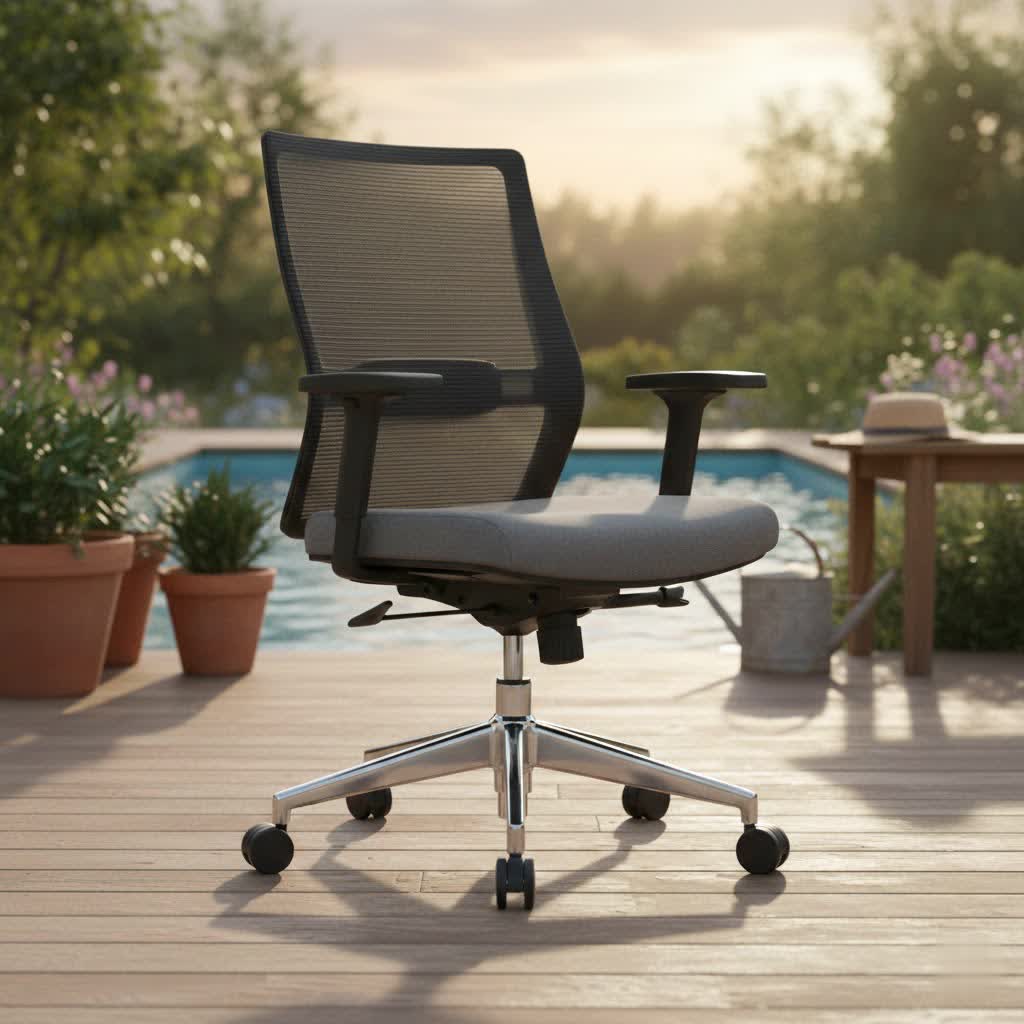
This comprehensive guide will delve into what makes an executive office chair a quintessential part of any high-performing workspace. We’ll explore their distinct features, the various types available, and how they stack up against other office seating. More importantly, we’ll equip you with the knowledge to select the perfect executive chair that not only complements your office but also supports your health and boosts your productivity for years to come.
What Defines an Executive Office Chair?
Executive office chairs stand apart from standard office seating primarily through their distinct combination of luxury, generous dimensions, and advanced functionality. Typically, these chairs boast a prominent high-back design, engineered to provide comprehensive support for your entire upper body, including your neck and head. This expansive backing helps foster an authoritative posture while ensuring comfort during extended periods of sitting.
Beyond their supportive structure, executive chairs are renowned for their use of premium materials. You’ll often find them upholstered in rich genuine leather, high-quality bonded leather, plush fabrics, or sophisticated breathable mesh. These materials are chosen not just for their elegant appearance but also for their durability and tactile comfort. The overall aesthetic of an executive chair is designed to exude prestige and professionalism, making it a focal point in any executive office or boardroom. They are built with robust frames, often incorporating sturdy steel or polished aluminum, ensuring stability and a long lifespan. The emphasis is on creating a seating solution that looks impressive and offers unwavering support.
Key Features to Prioritize in an Executive Office Chair
Choosing an executive office chair requires a discerning eye, focusing on features that blend ergonomic excellence with luxurious comfort and enduring quality. Here’s a breakdown of the essential elements to consider:
Ergonomic Adjustability
A truly outstanding executive chair offers a suite of adjustments, allowing you to tailor it precisely to your body and work style.
- Seat Height and Depth: The ability to adjust seat height ensures your feet can rest flat on the floor, with knees at a comfortable 90-100-degree angle. Seat depth adjustment, often overlooked, allows you to customize the distance from the seat edge to the backrest, ensuring proper thigh support without undue pressure behind your knees.
- Lumbar Support: Critical for spinal health, adjustable lumbar support cradles the natural inward curve of your lower back. Some executive chairs offer integrated, contoured backrests that provide excellent fixed lumbar support, while others feature dynamic or adjustable mechanisms to target specific areas of your spine. This helps prevent slouching and significantly reduces lower back strain.
- Recline and Tilt Mechanisms: Advanced executive chairs feature sophisticated tilt and recline functions. A multi-position tilt lock allows you to find your preferred angle, while adjustable tilt tension lets you control the effort required to recline, making subtle shifts in posture effortless. Synchronized tilt mechanisms allow the seat and backrest to move in harmony, maintaining optimal body angles as you recline.
- Armrests: Adjustable armrests are vital for alleviating shoulder and neck tension. Look for 2D (height adjustable), 3D (height, depth, pivot), or even 4D (height, depth, pivot, width) armrests that allow your forearms to be comfortably supported, keeping your shoulders relaxed.
- Headrest and Neck Support: A high-back executive chair often includes an integrated or adjustable headrest. This feature provides crucial support for your cervical spine, especially beneficial during periods of deep thought, phone calls, or when reclining for a brief respite.
|
Our Picks for the Best Office Chair in 2026
We may earn a commission when you use one of our links to make a purchase.
|
||
| Num | Product | Action |
|---|---|---|
| 1 | TRALT Office Chair Ergonomic Desk Chair, 330 LBS Home Mesh Office Desk Chairs with Wheels, Comfortable Gaming Chair, High Back Office Chair for Long Hours (Black) |

|
| 2 | Amazon Basics Classic Puresoft PU Padded Mid-Back Height Adjustable Office Computer Desk Chair with Armrest, 26"D x 23.75"W x 42"H, Black |
|
| 3 | Marsail Ergonomic Office Chair: Office Desk Chair with High Back Mesh and Adjustable Lumbar Support Rolling Work Swivel Task Chairs with Wheel 3D Armrests and Headrest |
|
| 4 | Ergonomic Office Chair with Footrest - Adjustable Lumbar Support & Headrest, 90-160° Reclining Mesh Back Computer Chair - Home Office/Gaming, 350lbs Capacity (SGS Certified) |
|
| 5 | TRALT Office Chair Ergonomic Desk Chair, 330 LBS Home Mesh Office Desk Chairs with Wheels, Comfortable Gaming Chair, High Back Office Chair for Long Hours (White) |
|
| 6 | TRALT Office Chair - Ergonomic Desk Chair with Adjustable Lumbar Support, Mesh Computer Chair, Executive Chairs for Home Office Comfortable Lumbar Support (Black) |
|
| 7 | Amazon Basics Classic Puresoft PU Padded Mid-Back Height Adjustable Office Computer Desk Chair with Armrest, 26"D x 23.75"W x 42"H, Cream |
|
| 8 | BestOffice - Ergonomic Office Chair - Mid-Back Swivel Desk Chair - Breathable Backrest & Lumbar Support - Adjustable Height - Sponge Seat - Rolling Wheels - Black - for Adults & Women |
|
| 9 | Sweetcrispy Office Computer Desk Chair, Ergonomic High-Back Mesh Rolling Work Chairs with Wheels and Adjustable Headrests, Comfortable Lumbar Support, Comfy Flip-up Arms for Home, Bedroom, Study,Black |
|
| 10 | Monhey Desk Computer Chairs - Ergonomic with Lumbar Support & Flip-up Arms Home Office Height Adjustable High Back Rockable Swivel 360° Warm Taupe Mesh Study Chair |
|
Superior Comfort & Cushioning
The plushness and support of the chair’s padding directly impact your long-term comfort.
- High-Density Foam or Layered Padding: Quality executive chairs utilize high-density foam or multi-layered padding in the seat and backrest. This prevents the cushioning from flattening over time, ensuring consistent comfort and support for many years.
- Breathable Materials: While leather is classic, high-quality breathable mesh panels or specialized fabrics can be integrated, especially in the backrest, to promote airflow and keep you cool, particularly in warmer climates or during extended use.
Premium Materials & Build Quality
The materials used speak volumes about a chair’s durability, aesthetics, and overall value.
- Upholstery:
- Leather: Offers a luxurious, sophisticated look and feel. It’s often easy to wipe clean but can be less breathable in warm environments. Genuine leather is highly durable and develops a beautiful patina over time.
- Mesh: Provides excellent breathability, conforming to the user’s back for adaptive support. It offers a more modern aesthetic and is ideal for those who tend to overheat.
- Fabric: Offers a wide range of colors and textures, providing a softer, often cozier feel. High-quality fabrics are durable and comfortable.
- Frame and Base: The chair’s foundation should be unyielding. Sturdy frames crafted from polished aluminum, steel, or reinforced heavy-duty nylon ensure long-term stability and safety. A wide, stable five-star base prevents wobbling, even during dynamic movements.
- Casters: Smooth-rolling, durable casters are essential for easy mobility across various floor surfaces without causing damage or excessive noise.
Durability and Longevity
An executive chair is an investment, and its lifespan should reflect that. Robust construction, high-grade components, and meticulous craftsmanship contribute significantly to its durability. Always consider the manufacturer’s warranty as an indicator of confidence in their product’s longevity.
Aesthetics and Design
The visual appeal of an executive chair is paramount. It should harmoniously blend with your office decor and convey a sense of authority and meticulous attention to detail. Whether you prefer a sleek, minimalist design or a more traditional, imposing silhouette, the chair should reflect your professional image and the ambiance of your workspace.
Types of Executive Office Chairs
While sharing core characteristics, executive office chairs come in various styles and material combinations, each offering a unique blend of form and function.
- Leather Executive Chairs: These are the quintessential symbol of executive status. Crafted from genuine or bonded leather, they offer a luxurious feel and a timeless, sophisticated aesthetic. They are often heavily padded for supreme comfort and make a powerful visual statement.
- Mesh Executive Chairs: For those who prioritize breathability and a more modern look, mesh executive chairs are an excellent choice. While still offering high-back support and ergonomic features, their mesh backs promote airflow, keeping you cool throughout the day. They often feature sleek designs that fit well in contemporary office environments.
- High-Back Executive Chairs: This category emphasizes the extended backrest, providing full support from the lumbar region all the way up to the head and neck. While many executive chairs are high-backed, some models specifically highlight this feature as their primary benefit, ensuring complete spinal alignment and upper body comfort.
- Executive Ergonomic Chairs (Hybrid): These chairs represent the best of both worlds, seamlessly integrating the sophisticated aesthetics and premium materials of traditional executive chairs with the advanced, granular adjustability found in purely ergonomic models. They are designed for professionals who demand both uncompromising health support and an executive presence.
Here’s a comparison to help illustrate the differences between some common executive chair types:
| Feature | High-Back Leather Executive | Mesh Executive | Executive Ergonomic Hybrid |
|---|---|---|---|
| Primary Focus | Prestige, comfort, traditional style | Breathability, modern aesthetic, general comfort | Advanced adjustability, health, professional look |
| Materials | Genuine/Bonded Leather, thick padding | High-quality mesh, some leather accents | Diverse (mesh, fabric, leather), high-grade components |
| Adjustability | Moderate (height, tilt lock, basic armrests) | Moderate to good (height, tilt, some armrest adjust) | Extensive (4D armrests, multi-function tilt, advanced lumbar) |
| Comfort Level | Plush, luxurious feel, can be warm | Cool, supportive, contours well | Highly personalized, optimal for long hours |
| Typical Price Range | Mid to High | Mid to High | High |
Executive Chair vs. Ergonomic Chair: Which Is Right for You?
The distinction between executive and ergonomic chairs can sometimes be blurred, as many high-end executive chairs incorporate advanced ergonomic features. However, their core design philosophies often differ.
Executive Chairs traditionally emphasize a luxurious appearance and a commanding presence. They prioritize visual impact, high-quality upholstery, and a comfortable, often plush, feel. While they offer good general support and basic adjustments like height and tilt, they may not provide the same depth of precise, customizable ergonomic settings found in a dedicated ergonomic chair. The focus is often on projecting an image of power and comfort rather than fine-tuning every aspect of posture support.
Ergonomic Chairs, on the other hand, are fundamentally engineered with the science of human posture and long-term health in mind. Their primary goal is to adapt to your body, offering extensive adjustability in elements like lumbar support, seat depth, armrest angles, and headrest positioning. These chairs are designed to promote optimal spinal alignment, reduce pressure points, and encourage healthy movement throughout the workday, making them ideal for individuals who spend very long hours at their desk or suffer from specific back and neck issues. Their aesthetics, while increasingly sophisticated, often take a backseat to their functional design.
- Choose an Executive Chair if: Your priority is a chair that embodies prestige, style, and general comfort, serving as a prominent piece in a high-profile office or meeting room. You appreciate premium materials and a commanding aesthetic.
- Choose an Ergonomic Chair if: Your primary concern is long-term health, posture correction, and maximizing productivity through precise, customizable support for extended sitting. You need a chair that actively works to prevent discomfort and strain.
Ultimately, many modern executive chairs are evolving to offer a blend of both, providing the luxurious look with robust ergonomic capabilities. The best choice depends on your specific needs: whether the emphasis is more on appearance and overall comfort, or on meticulous ergonomic support.
How to Choose the Perfect Executive Office Chair
Selecting an executive office chair is a significant decision that impacts your daily comfort and long-term well-being. Here’s a step-by-step guide to help you make an informed choice:
- Assess Your Needs: Begin by evaluating how many hours you typically spend sitting each day. Consider your body type, height, and weight to ensure the chair’s dimensions and weight capacity are suitable. Importantly, identify any existing back or neck pain, as this will heavily influence the required ergonomic features, especially lumbar and neck support. Lastly, determine your budget; executive chairs span a wide price range, and knowing your limits will help narrow your search.
- Research & Reviews: Before making any commitments, dive into online research. Read articles and expert reviews from reputable sources to understand the pros and cons of different models and brands. Pay close attention to user reviews to gain insights into real-world experiences with comfort, durability, and customer service. Look for chairs with a proven track record of positive feedback regarding comfort during long hours.
- Test Before You Buy: This is perhaps the most crucial step. While online information is valuable, nothing replaces the experience of sitting in a chair yourself. Visit showrooms or stores where you can physically try out different models. Sit in each chair for several minutes, adjusting all the settings—height, tilt, lumbar support, and armrests—to see how well it conforms to your body. Pay attention to how the cushioning feels, if there are any pressure points, and if the backrest supports your spine effectively.
- Check Warranty & Return Policy: A reputable manufacturer will stand behind their product. A robust warranty, typically 5 to 12 years for high-quality executive chairs, indicates confidence in the chair’s durability and construction. Also, understand the seller’s return policy, especially if you’re purchasing online, to ensure you have options if the chair doesn’t meet your expectations.
“A superior executive office chair is more than just a piece of furniture; it’s a strategic investment in your well-being, professionalism, and sustained productivity.”
Maintaining Your Executive Office Chair for Lasting Performance
To ensure your executive office chair remains a source of comfort and support for years, proper care and maintenance are essential.
- Regular Cleaning: The cleaning method will depend on the upholstery material. Leather chairs benefit from wiping with a damp cloth and occasional conditioning to prevent drying and cracking. Mesh backs can be vacuumed gently and spot-cleaned with a mild detergent. Fabric chairs may require professional cleaning or specific fabric cleaners for stains. Always refer to the manufacturer’s instructions for the best cleaning practices.
- Correct Adjustment: Periodically review and adjust your chair settings to ensure they still meet your ergonomic needs. Over time, your posture or even your desk setup might change, requiring small tweaks to height, lumbar support, or armrests to maintain optimal comfort and support.
- Periodic Inspection: Routinely check the chair’s components for wear and tear. Inspect the casters for trapped debris that could hinder movement or damage floors. Ensure all bolts and screws are tightened, and check the functionality of adjustment mechanisms like tilt locks and gas lifts. Early detection of issues can prevent more significant problems down the line.
- Avoid Environmental Extremes: Protect your chair from direct sunlight, which can fade upholstery and dry out leather. Also, avoid excessive moisture, which can damage materials and internal mechanisms. Maintaining a stable environment will help preserve the chair’s appearance and structural integrity.
Conclusion
Choosing the right executive office chair is a powerful decision that significantly impacts your daily work life, reflecting both your professional standing and your commitment to personal well-being. By prioritizing ergonomic adjustability, premium materials, and durable construction, you’re not just buying a chair; you’re investing in sustained comfort, improved posture, and enhanced productivity. Remember that a chair that truly fits your body and work style can mitigate fatigue, prevent discomfort, and allow you to maintain focus and energy throughout even the longest days.
Take the time to research, compare, and personally experience various options to find the executive office chair that perfectly blends luxury with peak performance. Your executive presence begins with a foundation of support and comfort. What features will you prioritize in your next executive office chair?
Frequently Asked Questions
Are executive chairs truly ergonomic?
Many modern executive chairs incorporate ergonomic features such as adjustable lumbar support, high-backs, and customizable tilt mechanisms. However, a dedicated ergonomic chair often offers a wider range of precise adjustments specifically designed to adapt to individual body types and posture needs for prolonged sitting, sometimes surpassing the ergonomic capabilities of a purely style-focused executive chair.
Should I choose a leather or mesh executive chair?
The choice between leather and mesh depends on your priorities. Leather offers a classic, luxurious aesthetic and is generally easier to clean, but it can be less breathable. Mesh chairs provide excellent airflow, keeping you cooler, and often offer a more contemporary look with adaptive back support. Consider your climate, aesthetic preference, and how long you typically sit.
What’s a good price range for an executive office chair?
The price range for executive office chairs varies significantly based on materials, brand, features, and build quality. You can find decent options starting from $300-$500, with mid-range chairs falling into the $500-$1,000 category. High-end, premium executive chairs with advanced ergonomics and luxury materials can range from $1,000 to $2,500 or more, representing a long-term investment.
How long should an executive chair last?
A well-constructed executive office chair, especially from a reputable brand using high-quality materials, should last anywhere from 5 to 15 years, or even longer. Factors like frequency of use, user weight, proper maintenance, and the quality of components (e.g., frame, casters, gas lift) all contribute to its lifespan. A good warranty is often a strong indicator of expected durability.