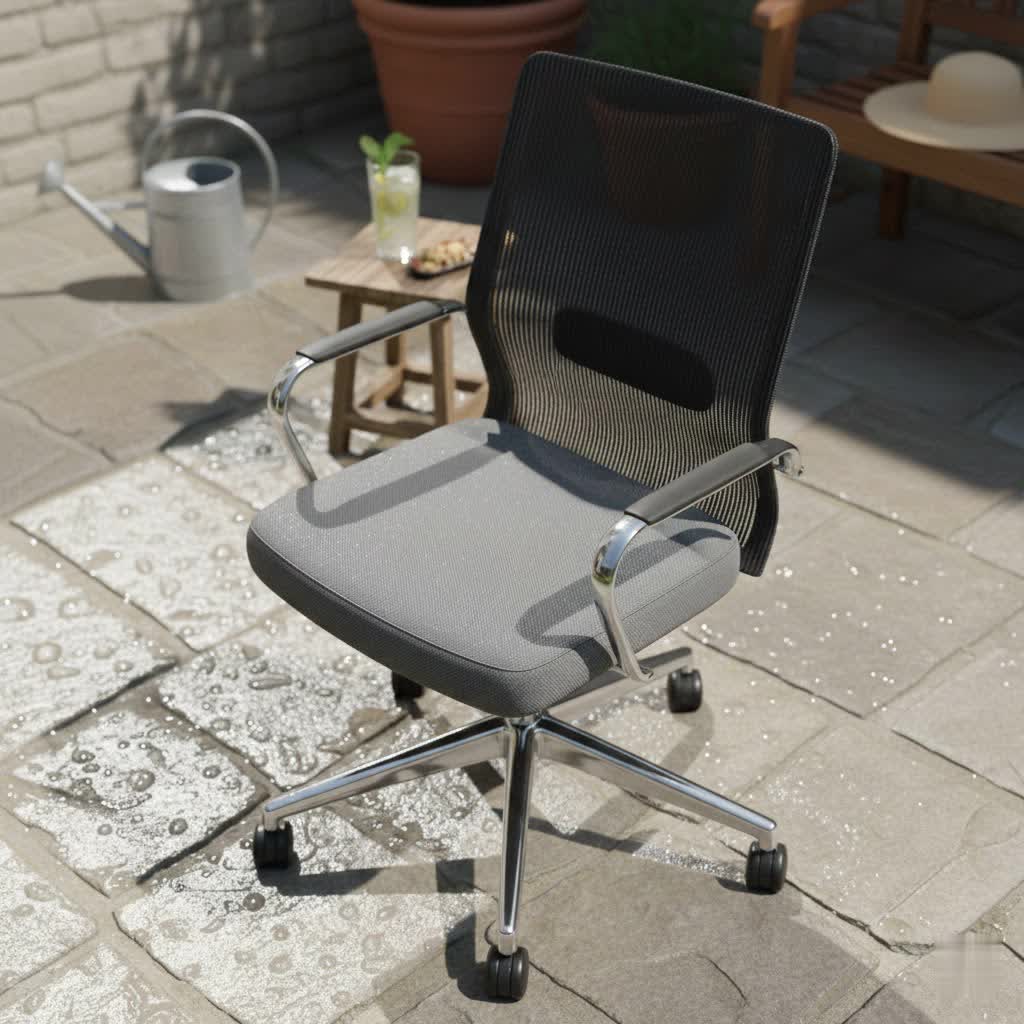
The most comfy office chair is one that offers extensive adjustability, high-density foam cushioning, and dynamic back support tailored to your body. Top contenders like the Steelcase Gesture (around $1,400-$2,400) and Herman Miller Embody (around $1,900-$2,300) consistently rank high due to their advanced ergonomic features, while mid-range options like the Branch Ergonomic Chair Pro (around $500-$700) provide excellent value and comprehensive adjustability for prolonged use.
Understanding Comfort: Key Elements of a Truly Comfy Office Chair
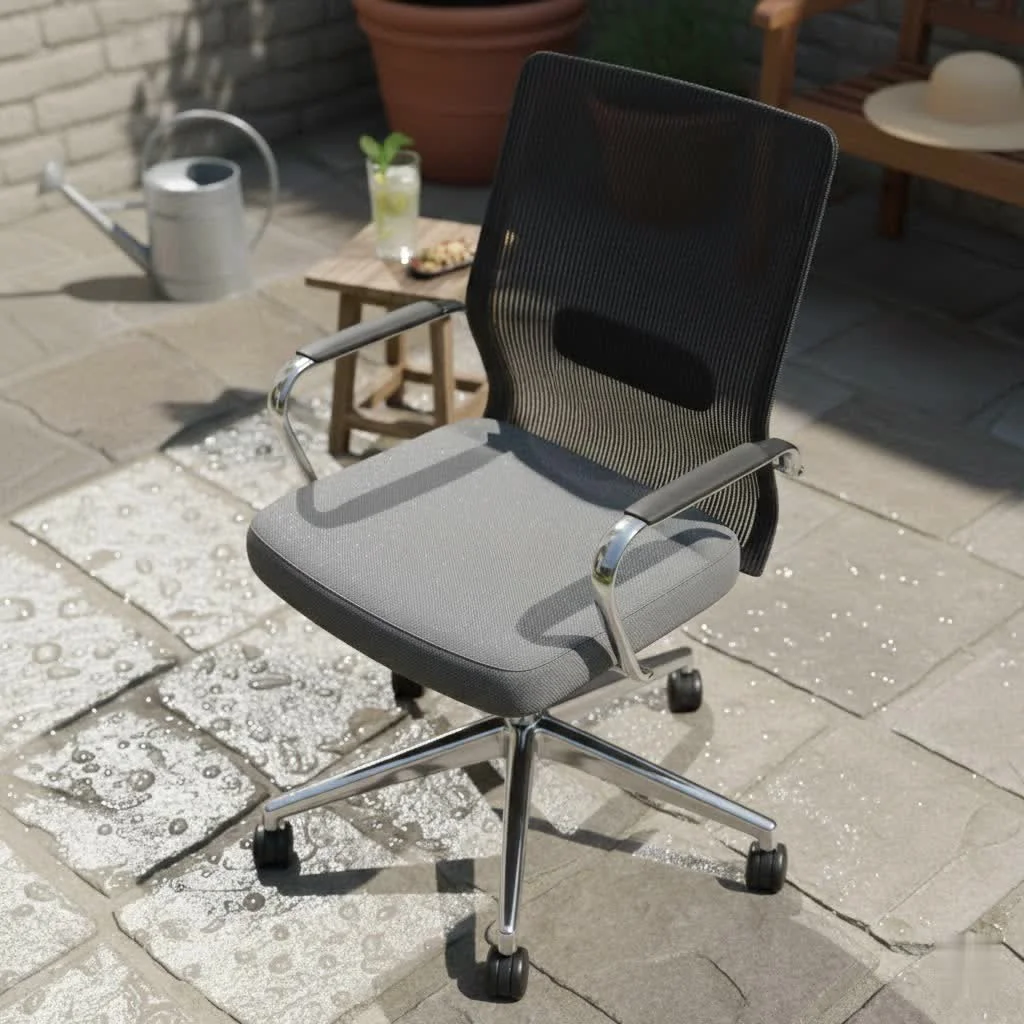
What exactly makes an office chair “comfortable”? It’s more than just soft padding; it’s a harmonious blend of ergonomic design, quality materials, and extensive adjustability that caters to your unique body and work style.
Adjustability: The Cornerstone of Personalized Comfort
A truly comfortable office chair is one that can be precisely tailored to your body. Look for comprehensive adjustability in:
- Seat Height: Your feet should rest flat on the floor with your thighs parallel to the ground. An adjustable seat height ensures proper posture and reduces strain on your legs and back, especially during long hours. The ideal range often falls between 16 and 21 inches.
- Seat Depth: The seat pan should allow for 2-4 fingers’ width between the edge of the seat and the back of your knees when you’re sitting all the way back. This prevents pressure on your circulation. Some chairs offer a sliding seat adjustment to achieve this.
- Backrest Height and Angle: The backrest should support the natural curve of your spine, particularly the lumbar region. The ability to adjust the backrest height ensures that the lumbar support hits the right spot for your specific stature. An adjustable recline with a tilt tension control and lockable positions allows you to shift posture and relieve pressure.
- Lumbar Support: This is critical for maintaining a healthy posture and preventing lower back pain. A superior chair will offer lumbar support that is adjustable both in height and depth, allowing it to conform to the unique arch of your lower back and keep your pelvis in a neutral position. Dynamic lumbar support that flexes with your movements is highly beneficial.
- Armrests: Often overlooked, adjustable armrests can significantly reduce neck and shoulder strain by supporting your arms at the correct height while typing or using a mouse. Look for armrests that adjust in height, width, depth, and pivot (often called 4D or even 5D). Broad, contoured, and cushioned arm pads enhance comfort further.
Seat Design and Materials: Where Comfort Meets Support
The feel of the seat itself plays a monumental role in long-term comfort.
- Cushioning and Padding: High-density foam is crucial, as it retains its shape and provides consistent support through marathon sessions, unlike low-density foam which can deform. A “waterfall edge” design on the front of the seat can reduce pressure on your thighs. Some chairs feature unique contours (e.g., W-shaped seats) or pixelated support systems to cradle the body and distribute weight evenly.
- Material and Breathability:
- Mesh: Excellent for breathability, preventing heat buildup and keeping you cool, especially in warmer climates. It can also provide responsive, flexible support.
- Fabric: Offers a soft, comfortable touch and a wide range of aesthetic options. Many fabric chairs feature a contoured seat cushion for optimal support.
- Leather/Pleather: Exudes a sense of luxury and is generally easy to clean. However, it can trap heat, making it less breathable than mesh.
Backrest Design: Dynamic Support for a Healthy Spine
|
Our Picks for the Best Office Chair in 2026
As an Amazon Associate I earn from qualifying purchases.
|
||
| Num | Product | Action |
|---|---|---|
| 1 | Monhey Desk Computer Chairs - Ergonomic with Lumbar Support & Flip-up Arms Home Office Height Adjustable High Back Rockable Swivel 360° Warm Taupe Mesh Study Chair |

|
| 2 | Marsail Ergonomic Office Chair: Office Desk Chair with High Back Mesh and Adjustable Lumbar Support Rolling Work Swivel Task Chairs with Wheel 3D Armrests and Headrest |
|
| 3 | Sweetcrispy Office Computer Desk Chair, Ergonomic High-Back Mesh Rolling Work Chairs with Wheels and Adjustable Headrests, Comfortable Lumbar Support, Comfy Flip-up Arms for Home, Bedroom, Study,Black |
|
| 4 | TRALT Office Chair Ergonomic Desk Chair, 330 LBS Home Mesh Office Desk Chairs with Wheels, Comfortable Gaming Chair, High Back Office Chair for Long Hours (Black) |
|
| 5 | BestOffice - Ergonomic Office Chair - Mid-Back Swivel Desk Chair - Breathable Backrest & Lumbar Support - Adjustable Height - Sponge Seat - Rolling Wheels - Black - for Adults & Women |
|
| 6 | Amazon Basics Classic Puresoft PU Padded Mid-Back Height Adjustable Office Computer Desk Chair with Armrest, 26"D x 23.75"W x 42"H, Cream |
|
| 7 | TRALT Office Chair Ergonomic Desk Chair, 330 LBS Home Mesh Office Desk Chairs with Wheels, Comfortable Gaming Chair, High Back Office Chair for Long Hours (White) |
|
| 8 | Ergonomic Office Chair with Footrest - Adjustable Lumbar Support & Headrest, 90-160° Reclining Mesh Back Computer Chair - Home Office/Gaming, 350lbs Capacity (SGS Certified) |
|
| 9 | Amazon Basics Classic Puresoft PU Padded Mid-Back Height Adjustable Office Computer Desk Chair with Armrest, 26"D x 23.75"W x 42"H, Black |
|
| 10 | TRALT Office Chair - Ergonomic Desk Chair with Adjustable Lumbar Support, Mesh Computer Chair, Executive Chairs for Home Office Comfortable Lumbar Support (Black) |
|
Beyond adjustability, the backrest’s inherent design influences comfort. Look for:
- Full Back Support: The backrest should be tall enough to support your entire back, often up to your shoulders. Some designs incorporate a headrest for additional neck support when reclining.
- Dynamic Flexibility: Advanced chairs feature backrests designed to move with your body, providing continuous support as you shift and stretch. This “live back” technology helps maintain a healthy spine by encouraging movement rather than forcing a static posture.
- Contouring: A backrest that naturally guides your posture towards its center and supports the spine’s natural curvature can make a significant difference.
Top Contenders for the Most Comfy Office Chair
Based on extensive testing and user reviews, several chairs consistently rise to the top for their exceptional comfort and ergonomic features.
Premium Picks: Investing in Unparalleled Comfort
These chairs represent the pinnacle of office seating, offering advanced ergonomics, superior materials, and robust warranties, though they come with a higher price tag.
- Steelcase Gesture: Widely lauded as one of the most comfortable chairs available, the Gesture excels with its proprietary LiveBack structure that flexes to match your movements and its industry-leading 360-degree adjustable armrests. Its adaptability makes it suitable for various postures and activities, from typing to using a smartphone.
- Herman Miller Embody: Known for its “pixelated support system,” the Embody cradles your body to distribute weight evenly and offers a flexible design that responds to your movements. It’s particularly favored by those who find other high-end chairs too rigid, providing a more fluid sitting experience.
- Haworth Fern: The Fern stands out with its innovative “Digital Knit backrest” which delivers softness while offering robust lower support. Its internal “frond structure” allows the backrest to move dynamically, providing excellent support throughout the day. The optional adjustable lumbar support is highly effective.
- Herman Miller Vantum: Praised for its fantastic lumbar and upper-back support, strong build, and clever reclining adjustment, making it a top contender for overall comfort and ergonomic design.
- Anthros Chair: Designed by a team of physical therapists, this chair takes a unique “pelvis-first” approach to comfort. Its split backrest (pelvic and upper back supports) is individually adjustable, aligning your spine into the proper position and preventing soreness after long sessions.
Mid-Range Marvels: Balancing Value and Ergonomics
These chairs offer a significant leap in quality and adjustability compared to entry-level options, providing excellent comfort for prolonged use without the ultra-premium price.
- Branch Ergonomic Chair Pro: This chair consistently performs as well as more expensive models in terms of adjustability, comfort, support, and durability. It’s a fantastic value pick, especially noted for its full adjustability and sturdy build.
- Haworth Soji: A feature-rich chair with widely adjustable lumbar support, 4D armrests, and seat depth adjustment. It offers a solid 12-year warranty and a high level of comfort for average to slightly above-average builds.
- Steelcase Amia Ergonomic Task Chair: Often described as a “sleeper,” the Amia offers surprising comfort with its LiveLumbar system and supportive, contoured seat. Its understated design belies its exceptional ergonomic capabilities, especially for those who prefer fabric upholstery.
Budget-Friendly Gems: Comfort on a Shoestring
While expectations should be managed at this price point, some chairs offer impressive comfort and ergonomic features for their cost.
- Sihoo M18 Ergonomic Office Chair: This chair has garnered attention for its exceptional value. It features a W-shaped foam seat that remains comfortable through long sessions, a breathable mesh back, and an excellent adjustable headrest. It intelligently focuses on essential comfort factors, making it a standout under $200.
- Ticova Ergonomic Office Chair: Praised for its adjustable headrest, deep recline, and numerous adjustments for its price point. While its warranty and build quality might not match premium options, it offers strong value for those on a tight budget.
- Flash Furniture Mid-Back Task Chair: An affordable pick that provides crucial lumbar support and a durable design for its price.
Comparison of Popular Comfy Office Chairs
| Brand & Model | Key Comfort Features | Price Range (Approx.) | Best For |
|---|---|---|---|
| Steelcase Gesture | LiveBack technology, 360° armrests, highly adjustable | $1,400 – $2,400 | All-around supreme comfort, dynamic movement |
| Herman Miller Embody | Pixelated seat support, flexible design, harmonic tilt | $1,900 – $2,300 | Flexible support, unique sitting experience |
| Haworth Fern | Digital Knit backrest, dynamic frond structure, 4D armrests | $1,500 – $1,900 | Soft yet supportive back, modern aesthetic |
| Anthros Chair | Pelvis-first support, individually adjustable backrests | $1,000 – $1,500 | Back pain relief, specific biomechanical support |
| Branch Ergonomic Pro | Full adjustability, high-density foam, strong lumbar support | $500 – $700 | Best value, comprehensive ergonomics |
| Haworth Soji | Widely adjustable lumbar, 4D armrests, good warranty | $500 – $700 | Mid-range value, excellent features |
| Sihoo M18 | W-shaped foam seat, breathable mesh, adjustable headrest | $140 – $200 | Budget-conscious, effective core comfort features |
How to Choose Your Most Comfy Office Chair: A Buyer’s Guide
Finding your perfect match involves a thoughtful process, blending self-assessment with diligent research.
1. Define Your Needs and Usage
- Hours Per Day: How long do you sit? For 8+ hours, investing in a high-end ergonomic chair is an investment in your health and productivity. For a few hours, a good mid-range option might suffice.
- Body Type: Consider your height, weight, and build. Many chairs have weight limits, and some are better suited for taller or shorter individuals. A “one-size-fits-all” approach rarely works for true comfort.
- Existing Conditions: Do you have back pain, neck pain, or other musculoskeletal issues? Prioritize chairs with advanced lumbar support, dynamic backrests, and comprehensive adjustability that can alleviate specific discomforts.
- Budget: Be realistic about what you can spend. While high-end chairs offer superior comfort and durability (often with 10-12 year warranties, making the per-year cost reasonable), excellent mid-range and budget options exist if you know what features to prioritize.
2. Research Thoroughly and Prioritize Adjustability
Read reviews from trusted sources and compare specifications. Always prioritize adjustability features over aesthetics alone. A chair that you can fine-tune to your body will always be more comfortable than a stylish one with limited options.
3. Experience Before You Buy (If Possible)
Nothing beats sitting in a chair yourself. If feasible, visit showrooms to:
- Sit for an Extended Period: Don’t just sit for a minute. Try to spend at least 15-20 minutes in the chair to gauge long-term comfort and identify any pressure points.
- Adjust Everything: Experiment with every knob, lever, and button. Understand how each adjustment impacts your posture and comfort.
- Move Naturally: See how the chair supports you as you lean, stretch, and shift positions. Does it move with you, or does it feel restrictive?
4. Consider Materials, Aesthetics, and Warranty
- Materials: Choose based on climate (mesh for hot, fabric for soft feel, leather for executive look) and personal preference.
- Aesthetics: While comfort is king, a chair that complements your workspace can enhance overall satisfaction.
- Warranty and Return Policy: A good warranty (e.g., 5-12 years) shows the manufacturer’s confidence in their product’s durability. A generous return policy allows you to try the chair in your own environment.
“A good office chair isn’t just furniture; it’s an essential tool for your health and productivity, a true investment in your well-being.”
Maximizing Comfort: Tips for Using and Maintaining Your Office Chair
Once you’ve found your ideal chair, a few practices can further enhance your comfort and extend its lifespan.
- Maintain Proper Posture: Even the best chair can’t fix poor habits. Adjust your chair so your feet are flat, knees at a 90-degree angle, hips slightly higher than your knees, and your back supported by the lumbar curve. Keep your arms parallel to the ground and wrists straight while typing.
- Take Regular Breaks: No matter how comfortable your chair, prolonged static sitting is detrimental. Stand up, stretch, and move around every 30-60 minutes.
- Keep it Clean: Regularly wipe down surfaces and vacuum fabric or mesh to prevent dust and grime buildup.
- Inspect and Maintain: Periodically check for loose screws, worn casters, or malfunctioning adjustment mechanisms. Address minor issues promptly to prevent larger problems.
Conclusion
Choosing the most comfy office chair is a personal journey, but a well-informed decision can profoundly impact your daily comfort, health, and productivity. By prioritizing adjustability, understanding different ergonomic designs, and carefully considering your individual needs and budget, you can find a chair that transforms your work experience. This isn’t just about finding a place to sit; it’s about investing in a healthier, more focused, and ultimately more enjoyable workday. Are you ready to discover the comfort you deserve?
Frequently Asked Questions
Are ergonomic office chairs truly better for your health?
Yes, ergonomic office chairs are designed to support the body’s natural posture, reducing strain on the back, neck, and shoulders. Their adjustability allows for a customized fit, which can prevent discomfort and long-term health issues associated with prolonged sitting, such as chronic back pain.
Should I choose a mesh, fabric, or leather office chair for comfort?
The best material depends on your personal preference and environment. Mesh offers superior breathability, ideal for warmer climates. Fabric provides a soft touch and can be very comfortable. Leather offers a luxurious feel and is easy to clean, but may trap heat. Consider what prioritizes your comfort most.
How much should I expect to pay for a truly comfortable office chair?
While comfortable chairs can be found across various price points, truly high-end ergonomic chairs known for exceptional comfort often range from $500 to over $2,000. Mid-range options with good adjustability can be found between $300-$700, and some budget-friendly chairs under $200 offer surprising value for basic comfort needs.
Frequently Asked Questions
What makes an office chair truly comfortable for long hours?
A truly comfortable office chair for long hours combines extensive adjustability, high-density foam cushioning, and dynamic back support. Key features include adjustable seat height (16-21 inches), seat depth, lumbar support, and 4D armrests to tailor the chair to your unique body and prevent pressure points.
Are ergonomic office chairs truly better for your health?
Yes, ergonomic office chairs are designed to support the body's natural posture, reducing strain on the back, neck, and shoulders. Their adjustability allows for a customized fit, which can prevent discomfort and long-term health issues associated with prolonged sitting, such as chronic back pain.
Should I choose a mesh, fabric, or leather office chair for comfort?
The best material depends on your personal preference and environment. Mesh offers superior breathability, ideal for warmer climates. Fabric provides a soft touch and can be very comfortable. Leather offers a luxurious feel and is easy to clean, but may trap heat. Consider what prioritizes your comfort most.
How much should I expect to pay for a truly comfortable office chair?
While comfortable chairs can be found across various price points, truly high-end ergonomic chairs known for exceptional comfort often range from $500 to over $2,000. Mid-range options with good adjustability can be found between $300-$700, and some budget-friendly chairs under $200 offer surprising value for basic comfort needs.
What are the top premium office chairs for unparalleled comfort?
For unparalleled comfort, premium office chairs like the Steelcase Gesture (around $1,400-$2,400) and Herman Miller Embody (around $1,900-$2,300) are top choices. These chairs feature advanced ergonomics such as LiveBack technology, pixelated support systems, and highly adjustable components to provide superior support and flexibility.
How do I maintain my office chair to maximize its comfort and lifespan?
To maximize comfort and extend lifespan, maintain proper posture by adjusting your chair to a 90-degree knee angle and supported back. Take regular breaks every 30-60 minutes, keep the chair clean by wiping surfaces and vacuuming, and periodically inspect for loose screws or worn parts to address minor issues promptly.
How to Choose Your Most Comfy Office Chair
Finding the perfect office chair involves assessing your needs, researching options, and trying chairs in person to ensure optimal comfort and support.
Consider how many hours you sit daily, your body type (height, weight), and any existing pain or musculoskeletal conditions. For 8+ hours, a high-end ergonomic chair is a worthwhile investment. Also, set a realistic budget, as prices range from under $200 to over $2,000.
Read reviews from trusted sources and compare chair specifications. Always prioritize comprehensive adjustability features like seat height, depth, backrest angle, lumbar support, and armrest adjustments over aesthetic appeal alone. A chair that can be fine-tuned to your body will provide superior comfort.
If possible, visit showrooms to sit in potential chairs for at least 15-20 minutes. Experiment with every adjustment knob and lever to understand its impact on your posture and comfort. Observe how the chair supports your body as you move naturally, ensuring it doesn't feel restrictive.
Choose materials based on climate and preference (mesh for breathability, fabric for softness, leather for luxury). While comfort is paramount, a chair that complements your workspace can enhance satisfaction. Finally, check the warranty (ideally 5-12 years) and return policy for peace of mind.
Get our weekly buyer guide
Practical specs, not advice. Unsubscribe anytime.

My search for the most comfy office chair is finally over! The extensive adjustability on my new chair, especially the lumbar support, has completely transformed my workday. I used to get so much stiffness, but now I can sit for hours without discomfort. It’s clear that quality materials and thoughtful design make all the difference.
I got the Herman Miller Embody, hoping it would solve my posture issues. While the ergonomic design is good and the high-density foam cushioning is comfortable, I found the armrests a bit too stiff for my liking. They don’t have as much give as I’d hoped, which can be a minor annoyance during really long sessions. Still a solid chair, but that’s one small area for improvement.
I finally bit the bullet and invested in a Steelcase Gesture after seeing it mentioned here. My old chair was killing my back by midday, but this one is a game-changer. The dynamic back support really makes a difference, and I love how easy it is to adjust everything. Definitely worth the higher price tag for the comfort it provides.
I’ve been using the Branch Ergonomic Chair Pro for about three months now, and it’s been fantastic for my long work-from-home days. The comprehensive adjustability is a huge plus, letting me fine-tune it perfectly. For a mid-range option, the value is incredible, and it feels much more premium than its price suggests. Highly recommend it if you’re looking for great comfort without breaking the bank.