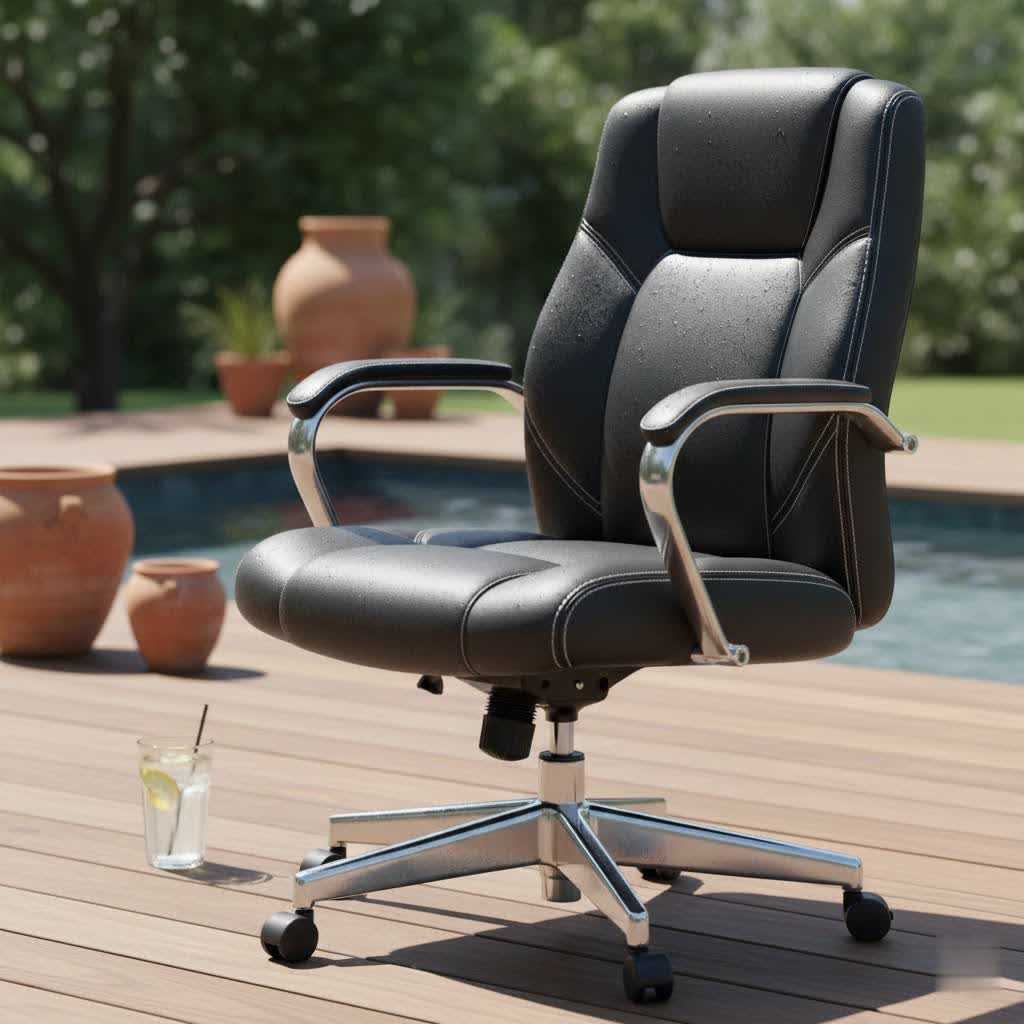
Working from home has transformed the way we approach our professional lives, blurring the lines between personal comfort and workplace productivity. As a result, the humble desk chair has been thrust into the spotlight, no longer just a piece of furniture but a crucial investment in your health and efficiency. You might spend eight hours a day, five days a week, seated at your home office desk. If your current chair leaves you fidgeting, stiff, or aching, it’s a clear signal that it’s time for an upgrade. A superior desk chair isn’t merely about luxury; it’s about creating a supportive foundation that enables focus, prevents discomfort, and safeguards your long-term well-being. This comprehensive guide will equip you with everything you need to know to select the perfect desk chair, ensuring your home office setup truly supports you.
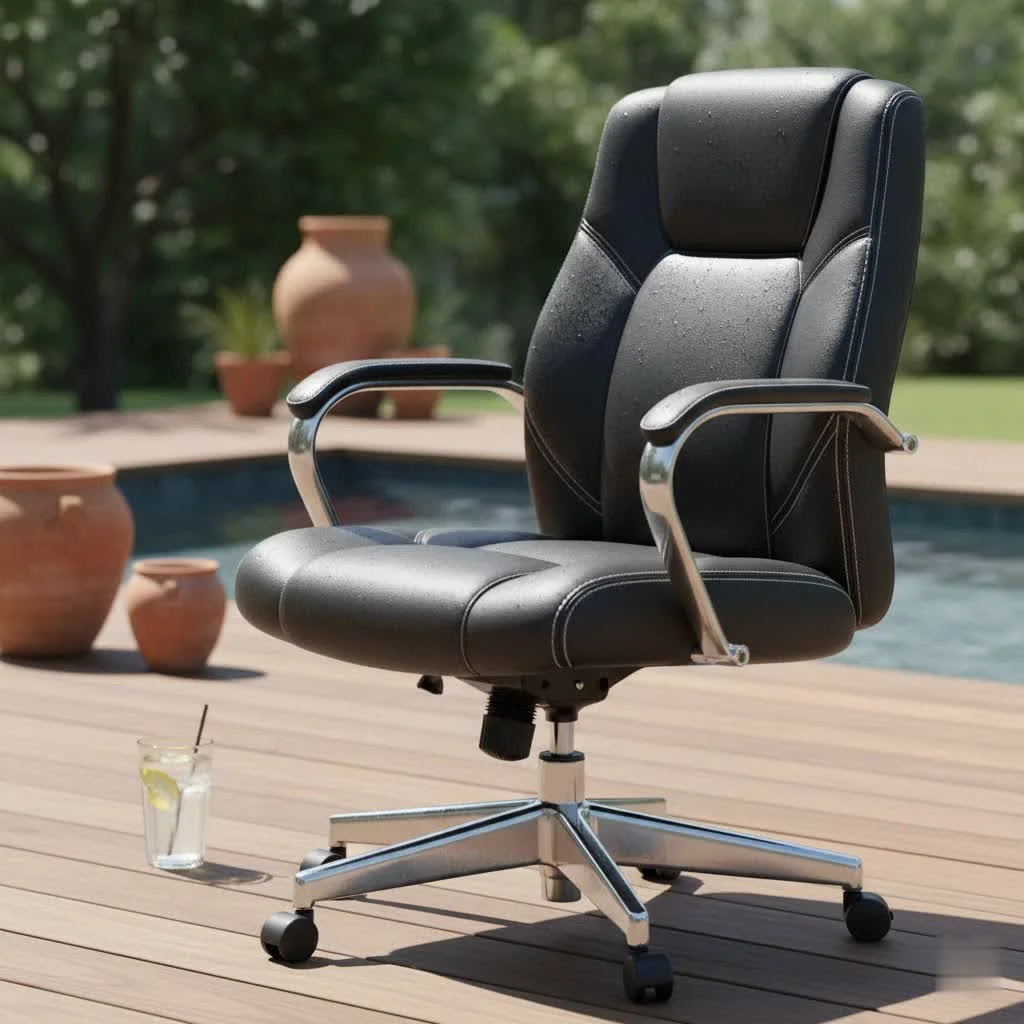
Why Your Home Office Chair Matters: The Ergonomic Advantage
Choosing an ergonomic desk chair for your home office offers a multitude of benefits that extend far beyond mere comfort. It’s an investment in your physical health, mental focus, and overall productivity.
Improved Posture and Spinal Health: An ergonomic chair is engineered to support the natural S-curve of your spine, helping you maintain a neutral posture. This design actively counteracts the tendency to slouch, preventing spinal compression and promoting better alignment from your head to your pelvis. By encouraging correct posture, it mitigates the risk of chronic pain and long-term spinal issues.
Reduced Back, Neck, and Shoulder Pain: Prolonged sitting in a poorly designed chair is a primary culprit for musculoskeletal discomfort. Ergonomic chairs feature adjustable lumbar support, backrests, and armrests that significantly reduce pressure points. This targeted support alleviates strain on your lower back, neck, and shoulders, allowing you to work longer without aches and pains. Many chairs feature dynamic support systems that move with you, further reducing static load on your body.
Enhanced Productivity and Focus: When you’re comfortable and free from physical distractions, your mind is free to concentrate on tasks at hand. An ergonomic chair minimizes the constant need to shift positions or stretch to relieve tension, thereby boosting your ability to focus, sustain attention, and ultimately, increase your productivity throughout the day. Studies have shown that employees using ergonomic chairs report improved posture and focus.
Better Circulation and Reduced Fatigue: Traditional chairs can restrict blood flow, particularly in the legs, leading to numbness, swelling, and fatigue. Ergonomic chairs often incorporate waterfall seat edges and breathable materials to promote healthy circulation. Adjustable seat depth ensures there’s adequate space between the back of your knees and the chair’s edge, preventing compression of blood vessels and keeping you energized.
Long-Term Health Investment: The cumulative effect of poor seating over years can lead to serious health issues, including musculoskeletal disorders, chronic pain, and even reduced mobility. Investing in a high-quality ergonomic chair is a proactive step towards preventing these problems. It’s a commitment to your body’s health that pays dividends in comfort, well-being, and sustained work capacity for years to come.
Key Factors to Consider When Choosing a Home Office Chair
|
Our Picks for the Best Office Chair in 2026
As an Amazon Associate I earn from qualifying purchases.
|
||
| Num | Product | Action |
|---|---|---|
| 1 | TRALT Office Chair - Ergonomic Desk Chair with Adjustable Lumbar Support, Mesh Computer Chair, Executive Chairs for Home Office Comfortable Lumbar Support (Black) |

|
| 2 | Ergonomic Office Chair with Footrest - Adjustable Lumbar Support & Headrest, 90-160° Reclining Mesh Back Computer Chair - Home Office/Gaming, 350lbs Capacity (SGS Certified) |
|
| 3 | BestOffice - Ergonomic Office Chair - Mid-Back Swivel Desk Chair - Breathable Backrest & Lumbar Support - Adjustable Height - Sponge Seat - Rolling Wheels - Black - for Adults & Women |
|
| 4 | Amazon Basics Classic Puresoft PU Padded Mid-Back Height Adjustable Office Computer Desk Chair with Armrest, 26"D x 23.75"W x 42"H, Cream |
|
| 5 | Sweetcrispy Office Computer Desk Chair, Ergonomic High-Back Mesh Rolling Work Chairs with Wheels and Adjustable Headrests, Comfortable Lumbar Support, Comfy Flip-up Arms for Home, Bedroom, Study,Black |
|
| 6 | Amazon Basics Classic Puresoft PU Padded Mid-Back Height Adjustable Office Computer Desk Chair with Armrest, 26"D x 23.75"W x 42"H, Black |
|
| 7 | Marsail Ergonomic Office Chair: Office Desk Chair with High Back Mesh and Adjustable Lumbar Support Rolling Work Swivel Task Chairs with Wheel 3D Armrests and Headrest |
|
| 8 | TRALT Office Chair Ergonomic Desk Chair, 330 LBS Home Mesh Office Desk Chairs with Wheels, Comfortable Gaming Chair, High Back Office Chair for Long Hours (Black) |
|
| 9 | TRALT Office Chair Ergonomic Desk Chair, 330 LBS Home Mesh Office Desk Chairs with Wheels, Comfortable Gaming Chair, High Back Office Chair for Long Hours (White) |
|
| 10 | Monhey Desk Computer Chairs - Ergonomic with Lumbar Support & Flip-up Arms Home Office Height Adjustable High Back Rockable Swivel 360° Warm Taupe Mesh Study Chair |
|
Selecting the ideal desk chair involves more than just picking one that “looks good.” It requires a thoughtful assessment of various features and how they cater to your specific needs, body type, and work habits.
Adjustability: The Core of Ergonomics
The hallmark of a truly ergonomic chair is its comprehensive adjustability, allowing you to tailor the fit to your unique body.
- Seat Height and Depth: Your feet should rest flat on the floor or on a footrest, with your knees forming a 90-degree angle. Seat depth adjustment ensures there’s a 2-4 finger gap between the back of your knees and the seat edge, preventing pressure on your thighs.
- Lumbar Support: This crucial feature supports the natural inward curve of your lower back. Look for chairs with adjustable lumbar support, allowing you to fine-tune its height and depth to perfectly match your spinal curvature. Some advanced chairs offer dynamic or split lumbar systems.
- Backrest Recline and Tension: A good backrest should allow you to lean back comfortably, reducing spinal pressure. Adjustable tilt tension lets you control the ease of recline, while tilt lock mechanisms allow you to fix the backrest at various angles, from upright to reclined.
- Armrests (2D, 3D, 4D, 5D): Adjustable armrests support your arms and shoulders, preventing tension.
- 2D: Height adjustment.
- 3D: Height, depth, and pivot.
- 4D: Height, depth, pivot, and width.
- 5D: Adds a foldaway function or other advanced movement.
Your elbows should form a 90-degree angle with your forearms parallel to your desk surface when resting on the armrests.
- Headrest: An adjustable headrest provides support for your neck and head, especially beneficial for reclining or taking short breaks. It should align with the natural curve of your cervical spine.
Material: Comfort, Breathability, and Aesthetics
The material of your chair impacts comfort, durability, and how it integrates into your home environment.
- Mesh: Highly breathable, mesh chairs are excellent for warmer climates or if you tend to get warm while working. They offer flexible support and a modern aesthetic.
- Fabric: Often soft and comfortable, fabric chairs come in a wide range of colors and textures, allowing for more customization to match your decor. They offer good cushioning and can be quite durable.
- Leather/PU Leather: These materials exude a sense of luxury and are generally easy to clean. Genuine leather is very durable, while PU leather (polyurethane leather) offers a more budget-friendly alternative, though it may be less breathable and durable over time.
- Foam: Found in many seat cushions, high-density foam provides robust support and comfort, especially when combined with a waterfall edge design to reduce pressure on the thighs.
Durability and Warranty: An Investment in Longevity
A desk chair for a home office is a significant investment, so longevity is key. Look for chairs constructed with sturdy materials like steel or aluminum for the frame and base. High-quality casters (wheels) designed for your floor type (carpet or hard floor) ensure smooth movement without damage. A good warranty, often 5-12 years for high-end models, signals the manufacturer’s confidence in their product’s durability and provides peace of mind.
Size and Fit: Tailored to Your Body
There’s no one-size-fits-all chair. Consider your height and weight. Many chairs come in different sizes (small, medium, large) or offer wide ranges of adjustability to accommodate diverse body types. Always check the chair’s maximum weight capacity and recommended height range to ensure a proper and supportive fit.
Aesthetics and Design: Harmonizing with Your Home
While ergonomics are paramount, the visual appeal of your chair is also important in a home office setting. Many ergonomic chairs now combine advanced functionality with sleek, modern designs that can enhance your decor. Consider the color, material, and overall style to ensure it complements your existing furniture and personal taste.
Budget: Finding Value at Every Price Point
Desk chairs for home offices span a wide price range, from under $100 to over $1,000. It’s essential to define your budget, but also to understand that a higher price often correlates with superior ergonomics, materials, durability, and warranty. A budget-friendly chair might suffice for occasional use, but for daily, long-hour work, investing in a mid-range to premium ergonomic chair can prevent future health issues and improve productivity, making it a cost-effective choice in the long run.
Types of Office Chairs for Your Home Office
While the term “office chair” is broad, several distinct types cater to different needs and preferences, especially for a home office environment.
Ergonomic Chairs: These are the gold standard for home offices, designed with a focus on adjustability and support to promote healthy posture and reduce strain during extended sitting. They typically feature multiple adjustment points for seat height, depth, lumbar support, armrests, and recline, making them highly customizable to the individual user. Ergonomic chairs are ideal for anyone spending significant hours at their desk, particularly those with existing back or neck pain.
Task Chairs: Often more compact and budget-friendly than full-fledged ergonomic chairs, task chairs are suitable for occasional use or smaller workspaces. They offer basic adjustments like seat height and sometimes backrest tilt, but usually lack the extensive ergonomic features and advanced support of dedicated ergonomic models. They are a good option for short work sessions or as secondary seating.
Executive Chairs: Characterized by their plush cushioning, often in leather or luxurious fabrics, and commanding presence, executive chairs prioritize aesthetics and comfort over detailed ergonomic adjustability. While they can be comfortable, they may not offer the precise support needed for long hours of focused work, particularly for individuals with specific ergonomic requirements. Their larger footprint might also be a consideration for smaller home offices.
Gaming Chairs: While primarily designed for gamers, many modern gaming chairs incorporate ergonomic principles to support long sitting sessions. They often feature high backs, pronounced lumbar and neck support cushions, and a wide range of recline options. While their aesthetic can be quite distinct and sometimes less “professional” for a traditional home office, their ergonomic features can be beneficial, especially for users who also game or prefer a more aggressive, cradling support.
Top Picks for the Best Home Office Chairs
Here’s a comparison of some highly-rated desk chairs that cater to various needs and budgets, based on expert reviews and user experiences:
| Brand/Model | Key Features | Pros
Get our weekly buyer guide
Practical specs, not advice. Unsubscribe anytime.
