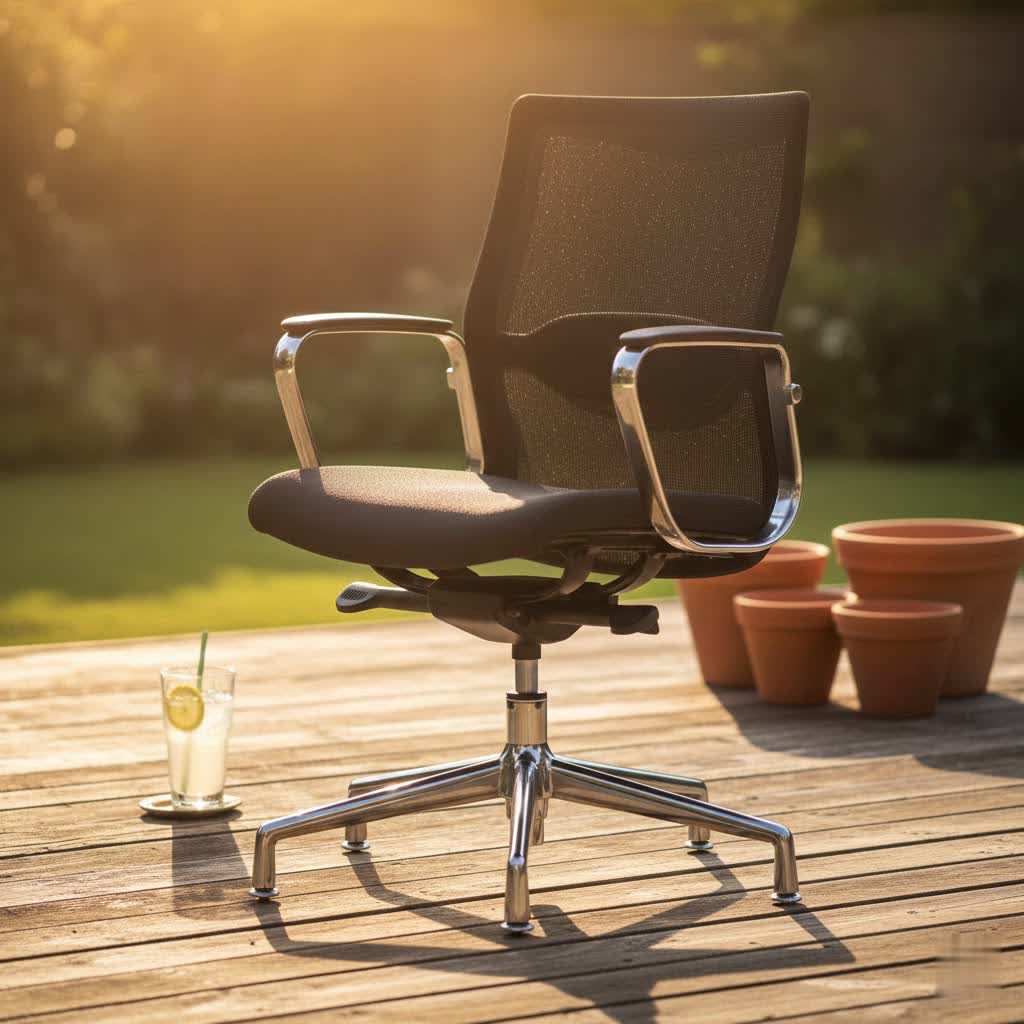
Navigating the vast world of office chairs can be overwhelming, especially when you seek a piece that perfectly blends timeless design with essential comfort. For those with a discerning eye for aesthetics and a commitment to well-being, a Mid-Century Office Chair offers an unparalleled solution. This iconic style, celebrated for its clean lines, organic forms, and functional elegance, can transform any workspace into a haven of productivity and sophistication. But how do you choose the right one, ensuring it not only looks stunning but also provides the ergonomic support necessary for long hours at your desk? This comprehensive guide will walk you through everything you need to know, helping you find a Mid-Century Office Chair that perfectly suits your needs and elevates your daily work experience.
Popular Types of Mid-Century Office Chairs
The mid-century modern aesthetic is incredibly versatile, translating into several distinct types of office chairs, each with its own charm and functionality. Understanding these categories will help you narrow down your options to find the perfect fit for your workspace and working style.
Swivel Office Chairs
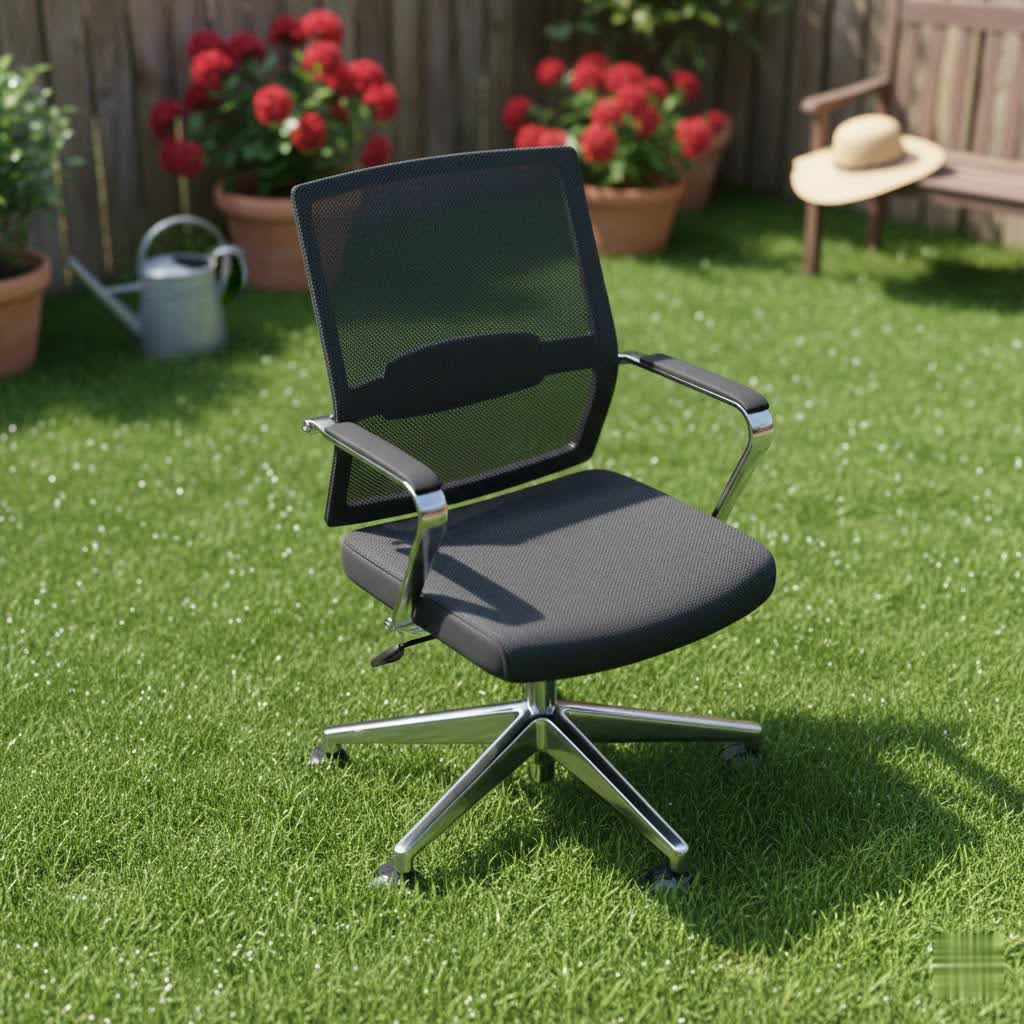
These are perhaps the most common iteration of a Mid-Century Office Chair, offering practical 360-degree rotation and often featuring a sturdy five-star base with casters for easy mobility. They typically blend sleek metal bases with upholstered seats and backs, providing both flexibility and classic style.
Executive Office Chairs
Characterized by their high backs and generous proportions, executive chairs in a mid-century style often boast luxurious materials like genuine or faux leather, and rich wood accents. These chairs command attention, offering a sophisticated presence while providing ample head and neck support, ideal for a traditional or high-level office setting.
Task Chairs
More compact and often with a mid-back design, mid-century task chairs prioritize practical functionality for daily computer work. While still exuding the signature aesthetic, they tend to be lighter in form, making them suitable for smaller home offices or collaborative workspaces where efficiency is key.
Guest Chairs / Side Chairs
Though not designed for prolonged task work, mid-century guest or side chairs bring an undeniable touch of class to waiting areas, meeting rooms, or as supplementary seating in a larger office. These typically feature simpler, non-swivel bases, focusing purely on clean lines and elegant upholstery to make a stylish statement.
Ergonomic Mid-Century Chairs
A modern evolution, these chairs seamlessly integrate advanced ergonomic features like adjustable lumbar support, sophisticated tilt mechanisms, and multi-dimensional armrests into the classic mid-century design. They are crafted for users who refuse to compromise on either style or health-conscious functionality, representing the best of both worlds.
Key Factors When Buying a Mid-Century Office Chair
Choosing an office chair is a significant decision that impacts both your comfort and productivity. When selecting a Mid-Century Office Chair, several critical factors deserve careful consideration to ensure you make an investment that truly serves your needs.
Comfort and Support
The foundation of any good office chair is its ability to provide lasting comfort and essential support. For a mid-century style chair, this often involves a delicate balance between classic design and modern ergonomic principles.
- Backrest: Look for a backrest that offers adequate support for your spine. Many mid-century designs feature a curved back that naturally cradles the lumbar region. Modern interpretations often include flexible lumbar bolsters and adjustable back heights to accommodate different torsos. The ability to recline or tilt with tension control is also crucial for varying postures throughout the day.
- Seat Cushion: The seat should be well-padded, providing firm yet comfortable support without creating pressure points. Materials like high-density foam are common. Ensure the seat depth allows you to sit with your back against the backrest while leaving a few inches between the edge of the seat and the back of your knees, promoting healthy circulation.
- Armrests: While some classic mid-century chairs feature fixed armrests, modern ergonomic versions often offer adjustable height and width. Padded armrests are a plus, as they help alleviate strain on your shoulders and neck, allowing your arms to rest comfortably at a 90-degree angle to your keyboard.
|
Our Picks for the Best Office Chair in 2026
We may earn a commission when you use one of our links to make a purchase.
|
||
| Num | Product | Action |
|---|---|---|
| 1 | TRALT Office Chair - Ergonomic Desk Chair with Adjustable Lumbar Support, Mesh Computer Chair, Executive Chairs for Home Office Comfortable Lumbar Support (Black) |

|
| 2 | Sweetcrispy Office Computer Desk Chair, Ergonomic High-Back Mesh Rolling Work Chairs with Wheels and Adjustable Headrests, Comfortable Lumbar Support, Comfy Flip-up Arms for Home, Bedroom, Study,Black |
|
| 3 | BestOffice - Ergonomic Office Chair - Mid-Back Swivel Desk Chair - Breathable Backrest & Lumbar Support - Adjustable Height - Sponge Seat - Rolling Wheels - Black - for Adults & Women |
|
| 4 | TRALT Office Chair Ergonomic Desk Chair, 330 LBS Home Mesh Office Desk Chairs with Wheels, Comfortable Gaming Chair, High Back Office Chair for Long Hours (Black) |
|
| 5 | Ergonomic Office Chair with Footrest - Adjustable Lumbar Support & Headrest, 90-160° Reclining Mesh Back Computer Chair - Home Office/Gaming, 350lbs Capacity (SGS Certified) |
|
| 6 | Monhey Desk Computer Chairs - Ergonomic with Lumbar Support & Flip-up Arms Home Office Height Adjustable High Back Rockable Swivel 360° Warm Taupe Mesh Study Chair |
|
| 7 | Marsail Ergonomic Office Chair: Office Desk Chair with High Back Mesh and Adjustable Lumbar Support Rolling Work Swivel Task Chairs with Wheel 3D Armrests and Headrest |
|
| 8 | Amazon Basics Classic Puresoft PU Padded Mid-Back Height Adjustable Office Computer Desk Chair with Armrest, 26"D x 23.75"W x 42"H, Cream |
|
| 9 | TRALT Office Chair Ergonomic Desk Chair, 330 LBS Home Mesh Office Desk Chairs with Wheels, Comfortable Gaming Chair, High Back Office Chair for Long Hours (White) |
|
| 10 | Amazon Basics Classic Puresoft PU Padded Mid-Back Height Adjustable Office Computer Desk Chair with Armrest, 26"D x 23.75"W x 42"H, Black |
|
Materials
The choice of materials is central to the mid-century aesthetic, contributing significantly to both the look and feel of the chair. Each material offers distinct benefits.
- Leather/Faux Leather: These are hallmarks of mid-century design, exuding luxury and sophistication. Leather is durable, develops a beautiful patina over time, and is relatively easy to clean. Faux leather offers a similar aesthetic at a more accessible price point, often with good stain resistance.
- Fabric (Wool, Velvet): Fabric upholstery provides a softer, warmer feel and allows for a wider range of colors and textures. Wool blends are durable and breathable, while velvet adds a touch of opulent comfort.
- Mesh: Though less traditional for mid-century style, mesh backs are increasingly integrated into modern designs for their exceptional breathability, making them ideal for warmer climates or prolonged use. They offer excellent ventilation and conform to your back.
- Frame Materials: Solid wood (like walnut or teak) and bentwood are iconic mid-century choices, providing warmth and organic lines. Metal, particularly polished chrome or brushed steel, offers a sleek, industrial contrast often seen in classic designs like the Eames Aluminum Group.
Adjustability
While mid-century designs are known for their elegant simplicity, modern usage demands a certain degree of adjustability to promote good posture and reduce strain.
- Seat Height: This is a non-negotiable feature. Your chair should allow your feet to rest flat on the floor with your knees at a 90-degree angle, or slightly lower than your hips.
- Back Recline/Tilt: The ability to recline or adjust the back angle is vital for shifting posture and relieving pressure on your spine. Look for chairs with tilt lock and tension control to customize the recline resistance.
- Armrest Adjustments: As mentioned, adjustable armrests can significantly improve ergonomic alignment, allowing your wrists to be level with your keyboard and reducing shoulder strain.
Durability and Longevity
A quality Mid-Century Office Chair is an investment, and its durability ensures it will stand the test of time, both aesthetically and functionally.
- Frame Construction: A robust frame made from high-grade steel, aluminum, or solid hardwood is paramount for stability and longevity. Inspect the joints and connections for solid craftsmanship.
- Upholstery Quality: High-quality leather, durable fabrics, or resilient faux leathers will resist wear and tear better over time. Double-stitched seams are often an indicator of good quality.
- Wheelbase and Casters: The chair’s base and wheels should be sturdy and glide smoothly. Metal bases are generally more durable than plastic. Ensure the casters are appropriate for your flooring (e.g., soft casters for hard floors, hard casters for carpet).
- Weight Capacity: Most mid-century office chairs accommodate 200-250 lbs. If you require more, seek models specifically designed for heavier users, typically rated for 300 lbs or more.
Size and Style
Beyond functionality, the chair’s size and style play a crucial role in its integration into your workspace and its overall visual impact.
- User Fit: The chair should comfortably accommodate your body proportions. Ensure the backrest height and seat width are appropriate for your stature. A chair that is too large or too small will compromise comfort and ergonomics.
- Office Aesthetics: The Mid-Century Office Chair should complement your existing office decor. Consider the chair’s lines, materials, and color palette to ensure it harmonizes with your desk, storage, and overall design scheme. Whether you prefer a bold statement piece or a subtle accent, the right style can define your space.
Comparison Table: Leading Mid-Century Office Chair Models
| Feature | Classic Mid-Century Executive Chair | Modern Mid-Century Task Chair |
|---|---|---|
| Style | High-back, upholstered, commanding | Mid-back, sleek, minimalist |
| Material | Genuine Leather, Walnut Wood/Steel | Faux Leather/Fabric, Chrome Base |
| Adjustability | Limited recline, height, swivel | Height, tilt lock, some armrests |
| Lumbar Support | Integrated padding | Adjustable external bolster |
| Ideal Use | Executive office, statement piece | Home office, daily tasking |
| Price Range | $$$$ | $$ – $$$ |
Your Guide to Purchasing the Perfect Mid-Century Office Chair
Making an informed decision when buying a Mid-Century Office Chair goes beyond simply admiring its looks. A structured approach ensures you find a chair that meets all your functional and aesthetic requirements.
Assess Your Needs
Before diving into options, take stock of your personal requirements. How many hours a day will you be sitting? Do you have any existing back or neck issues that require specific ergonomic features? What is your budget range for this important investment? Answering these questions will significantly narrow your search.
Research Thoroughly
The internet is a treasure trove of information. Dedicate time to reading reviews from other users, comparing features across different models, and understanding the nuances of mid-century design authenticity. Look for insights into the build quality, long-term comfort, and material durability of chairs you are considering. Review websites and forums can offer invaluable real-world perspectives.
Test Before You Buy
If at all possible, try to sit in the chair before making a purchase. Visit showrooms or stores that carry mid-century-inspired office furniture. Spend a few minutes adjusting the chair, leaning back, and testing its mobility. This hands-on experience is crucial for gauging comfort, support, and how well the chair adapts to your body. Pay attention to how the lumbar support feels, the cushioning of the seat, and the ease of adjustments.
Choose Reputable Retailers
Always purchase your Mid-Century Office Chair from a trusted retailer or brand known for quality furniture. A reputable vendor will offer clear warranty policies, fair return options, and responsive customer service. This provides peace of mind and ensures that you have support if any issues arise with your new chair.
Renowned Mid-Century Office Chair Influences
The enduring appeal of the Mid-Century Office Chair stems from the groundbreaking work of designers who shaped the entire mid-century modern movement. Their philosophies and creations continue to inspire contemporary designs.
The Eames Aluminum Group chairs, designed by Charles and Ray Eames in 1958, epitomize sleek sophistication and innovative use of materials. Their slim profile, combined with suspension seating and a polished aluminum frame, offered a revolutionary approach to executive seating. Similarly, designers like Eero Saarinen explored organic, flowing forms that challenged traditional chair construction, leading to iconic pieces that blend seamlessly into modern workspaces. Scandinavian modernists such as Hans J. Wegner and Finn Juhl contributed to the movement with their emphasis on natural materials, craftsmanship, and ergonomic simplicity, bringing warmth and refined lines to office furniture. The foundational principles of Bauhaus, with its focus on functionality over ornamentation and the integration of industrial materials, also heavily influenced the development of the mid-century office chair, leading to designs that are both beautiful and inherently practical.
Tips for Using and Maintaining Your Mid-Century Office Chair
To maximize the lifespan and continued comfort of your Mid-Century Office Chair, proper usage and routine maintenance are essential. These simple practices will help preserve its beauty and functionality for years to come.
- Regular Cleaning: Depending on the material, clean your chair regularly. Leather should be wiped with a damp cloth and conditioned periodically to prevent drying and cracking. Fabric chairs can be vacuumed and spot-cleaned with appropriate upholstery cleaner. Always refer to the manufacturer’s specific cleaning instructions.
- Correct Posture Adjustments: Make sure your chair is adjusted correctly for your body and desk. Your feet should be flat on the floor or a footrest, knees at a 90-degree angle, and forearms parallel to the floor when typing. Utilize the lumbar support and back tilt to maintain a healthy spinal curve.
- Avoid Prolonged Static Sitting: Even with the most ergonomic chair, it’s important to take short breaks every 30-60 minutes. Stand, stretch, or walk around to promote circulation and prevent stiffness. A good chair supports dynamic sitting, but movement is key to overall health.
- Periodic Checks and Maintenance: Occasionally inspect your chair for any loose screws, bolts, or worn parts, especially on the base and casters. Tighten any fasteners as needed and lubricate moving parts if they become stiff or squeaky. This proactive approach can prevent minor issues from becoming major problems.
“A well-chosen office chair is an investment in your health and productivity.”
Conclusion
Choosing the ideal Mid-Century Office Chair is a journey that thoughtfully balances iconic design with modern ergonomic necessities. By understanding the diverse types, focusing on key factors like comfort, materials, and adjustability, and diligently researching your options, you can select a chair that not only enhances your workspace aesthetically but also supports your well-being. This investment in a quality Mid-Century Office Chair is an investment in both timeless style and enduring health, ensuring that your office remains a place where you can thrive. What design elements will you prioritize to create your ultimate mid-century workspace?
Frequently Asked Questions
Are mid-century modern office chairs truly ergonomic?
Many contemporary mid-century modern office chairs are designed with ergonomics in mind, integrating features like adjustable lumbar support, height, and tilt mechanisms while retaining the classic aesthetic. While original mid-century designs prioritized form, modern reproductions often blend these elements for optimal comfort and health.
Should I choose a leather or fabric mid-century office chair?
The choice between leather and fabric depends on your preferences. Leather offers a luxurious, durable, and easy-to-clean surface, ideal for a sophisticated look. Fabric provides a warmer feel, more color options, and better breathability, which can be more comfortable for extended periods, especially in warmer climates.
What is the typical price range for a quality mid-century office chair?
The price of a quality mid-century office chair can vary widely. More affordable reproductions or models with synthetic materials might range from $200-$500, while high-end chairs featuring genuine leather, solid wood, and designer craftsmanship can cost upwards of $1000, reflecting their superior materials and build quality.
How can I ensure my mid-century office chair is durable?
To ensure durability, look for chairs with robust frames made of steel or solid wood, high-quality upholstery, and sturdy components like casters and gas lifts. Checking the weight capacity rating and reading reviews on long-term performance can also indicate a chair’s longevity.