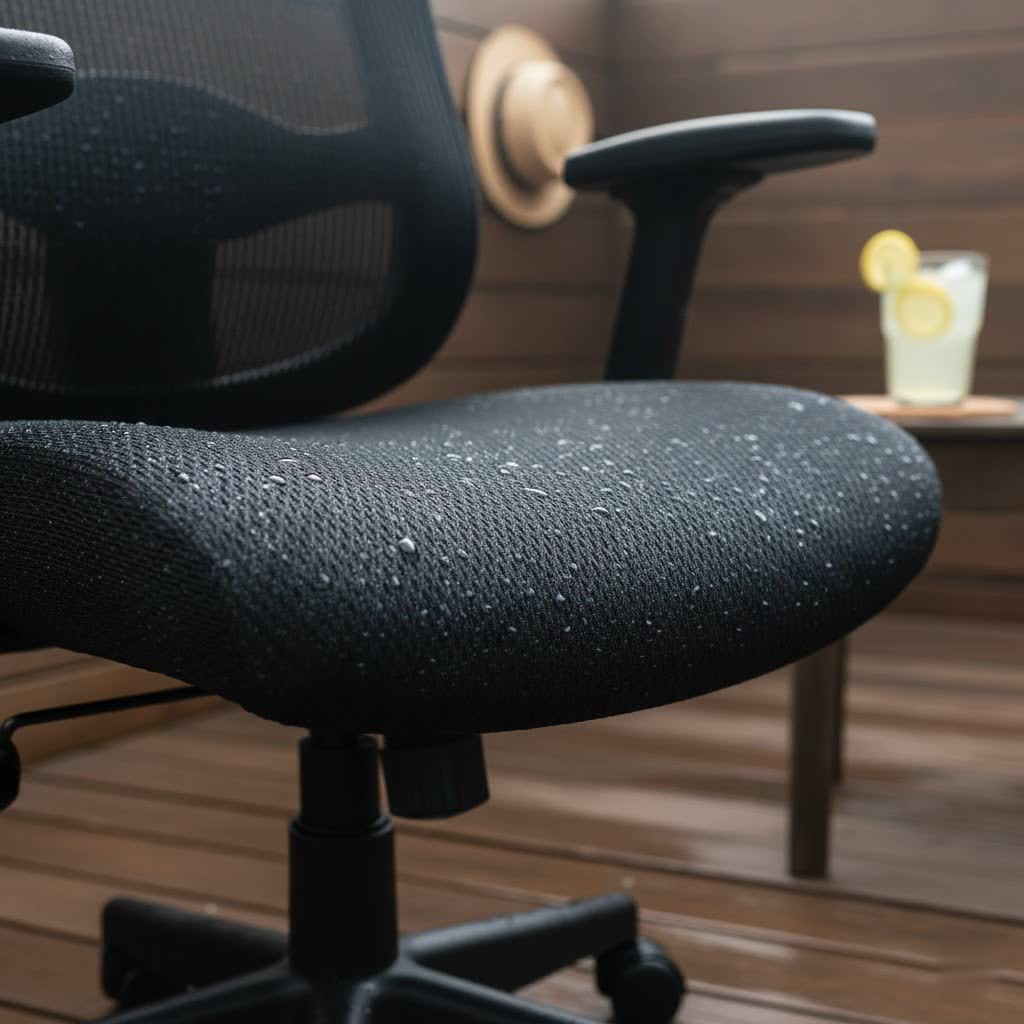
Spending eight or more hours a day at your desk can take a serious toll on your body, turning productivity into a painful ordeal. The right office chair isn’t just a piece of furniture; it’s a vital investment in your health, well-being, and overall work efficiency. A poorly chosen chair can lead to chronic back pain, neck strain, and decreased focus, while a supportive one can transform your workday experience. But with countless options on the market, how do you find the perfect match for those demanding, extended work sessions?
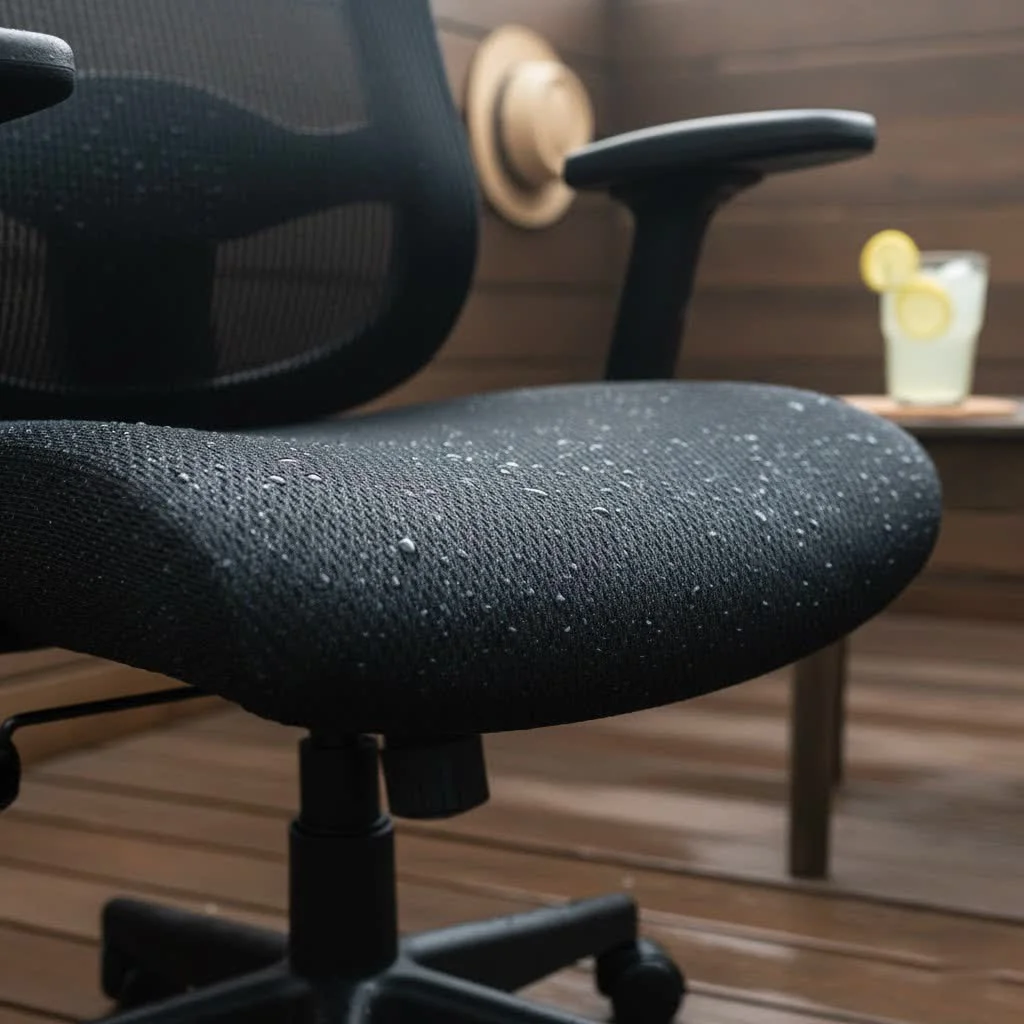
This comprehensive guide will navigate you through the world of office chairs designed for long hours, offering insights into different types, essential features, top brands, and practical tips to ensure you make an informed decision. Get ready to discover the chair that will keep you comfortable, supported, and productive, hour after hour. For compare top office chair on this site.
Types of Office Chairs for Long Hours
When searching for a chair built to withstand prolonged use, understanding the different categories can help narrow your focus. Each type offers distinct advantages, catering to various needs and preferences.
Ergonomic Office Chairs are specifically engineered to provide optimal support and comfort by conforming to the body’s natural posture. They feature extensive adjustability, allowing users to customize settings like seat height, backrest recline, lumbar support, and armrest positions to achieve personalized alignment. These chairs are the gold standard for anyone spending significant time at a desk, as they are designed to prevent strain and promote healthy sitting habits.
Executive Office Chairs typically prioritize luxury and aesthetics, often featuring generous padding, high backs, and premium materials like leather. While they exude a sophisticated look, they may sometimes offer less precise ergonomic adjustability compared to dedicated ergonomic models. They are often chosen for their imposing presence and comfort during meetings rather than intense, prolonged typing sessions.
Task Chairs are generally lighter and more compact than executive chairs, designed for focused work at a desk. They emphasize ergonomics and comfort, making them suitable for long workdays. Key features often include robust lumbar support and adjustable armrests.
Mesh Office Chairs are distinguished by their breathable mesh backs and sometimes seats. This material promotes airflow, keeping you cool and preventing perspiration, which is especially beneficial in warmer climates or for individuals who tend to overheat. Many ergonomic chairs incorporate mesh for its flexibility and support.
Leather Office Chairs offer a classic, upscale appearance and are typically easy to clean. They provide a firm yet comfortable seating experience. However, leather can retain heat and may not be as breathable as mesh, which could be a consideration for long hours in warm environments.
Gaming Chairs, while often designed with a flashy aesthetic, have evolved to incorporate ergonomic principles. Some models, like the Axion gaming chair, integrate office chair-style ergonomics with robust lumbar support and adjustable arms, making them surprisingly suitable for extended work and gaming sessions.
Crucial Factors to Consider When Buying an Office Chair for Extended Use
Choosing the “best” office chair isn’t a one-size-fits-all decision. Several critical factors come into play, influencing comfort, support, and longevity, especially when you’re logging serious hours at your desk.
Comfort and Support
|
Our Picks for the Best Office Chair in 2026
As an Amazon Associate I earn from qualifying purchases.
|
||
| Num | Product | Action |
|---|---|---|
| 1 | TRALT Office Chair Ergonomic Desk Chair, 330 LBS Home Mesh Office Desk Chairs with Wheels, Comfortable Gaming Chair, High Back Office Chair for Long Hours (White) |

|
| 2 | BestOffice - Ergonomic Office Chair - Mid-Back Swivel Desk Chair - Breathable Backrest & Lumbar Support - Adjustable Height - Sponge Seat - Rolling Wheels - Black - for Adults & Women |
|
| 3 | Amazon Basics Classic Puresoft PU Padded Mid-Back Height Adjustable Office Computer Desk Chair with Armrest, 26"D x 23.75"W x 42"H, Black |
|
| 4 | Ergonomic Office Chair with Footrest - Adjustable Lumbar Support & Headrest, 90-160° Reclining Mesh Back Computer Chair - Home Office/Gaming, 350lbs Capacity (SGS Certified) |
|
| 5 | Monhey Desk Computer Chairs - Ergonomic with Lumbar Support & Flip-up Arms Home Office Height Adjustable High Back Rockable Swivel 360° Warm Taupe Mesh Study Chair |
|
| 6 | Amazon Basics Classic Puresoft PU Padded Mid-Back Height Adjustable Office Computer Desk Chair with Armrest, 26"D x 23.75"W x 42"H, Cream |
|
| 7 | TRALT Office Chair - Ergonomic Desk Chair with Adjustable Lumbar Support, Mesh Computer Chair, Executive Chairs for Home Office Comfortable Lumbar Support (Black) |
|
| 8 | TRALT Office Chair Ergonomic Desk Chair, 330 LBS Home Mesh Office Desk Chairs with Wheels, Comfortable Gaming Chair, High Back Office Chair for Long Hours (Black) |
|
| 9 | Sweetcrispy Office Computer Desk Chair, Ergonomic High-Back Mesh Rolling Work Chairs with Wheels and Adjustable Headrests, Comfortable Lumbar Support, Comfy Flip-up Arms for Home, Bedroom, Study,Black |
|
| 10 | Marsail Ergonomic Office Chair: Office Desk Chair with High Back Mesh and Adjustable Lumbar Support Rolling Work Swivel Task Chairs with Wheel 3D Armrests and Headrest |
|
The foundation of a good chair for long hours lies in its ability to provide unwavering comfort and support for your entire body.
- Backrest: A supportive backrest is paramount for spinal health. Look for models with adjustable lumbar support that can be positioned to fit the natural curve of your lower back. Some advanced chairs offer dynamic lumbar support that adjusts as you move, ensuring continuous comfort. The backrest should also ideally be high enough to support your entire back and shoulders, with height adjustment capabilities.
- Seat Cushion: The seat needs to be both comfortable and supportive. Look for adequate padding that doesn’t compress excessively over time. Materials that are breathable and resilient will contribute to long-term comfort. Seat depth adjustability is also crucial, allowing you to position the seat so your feet are flat on the floor while maintaining a few inches between the edge of the seat and the back of your knees.
- Armrests: Adjustable armrests are not a luxury; they are a necessity. They should adjust in height, depth (forward/backward), and ideally pivot (in/out) to support your forearms comfortably while typing, reducing strain on your shoulders and wrists. Soft, padded armrests enhance comfort, especially during breaks or video calls.
Material
The material of your chair affects comfort, durability, and maintenance.
- Mesh: Known for its excellent breathability, mesh is ideal for hot climates or for users who tend to get warm. It allows for continuous airflow, preventing moisture buildup. Mesh also tends to be durable and conforms well to the body.
- Leather/PU Leather: These materials offer a luxurious feel and are often easy to wipe clean. They provide a more formal aesthetic but can be less breathable than mesh, potentially leading to discomfort in warm environments.
- Fabric: Fabric chairs offer a wide range of colors and textures, often providing a softer touch. They are generally comfortable and breathable, though some fabrics may be more prone to staining than leather.
Adjustability
The more adjustable a chair is, the better it can be tailored to your unique body shape and work style, which is critical for long-term comfort and health.
- Chair Height: Essential for ensuring your feet are flat on the floor and your knees are at roughly a 90-degree angle, or slightly lower than your hips.
- Backrest Recline and Tilt: Allows you to lean back and shift your posture, reducing pressure points. A good recline mechanism should offer tension control and multiple lockable positions.
- Armrest Adjustments: As mentioned, height, depth, and pivot are key for proper upper body support.
- Seat Depth and Angle: Adjusting seat depth ensures proper thigh support without cutting off circulation behind the knees. Some chairs also allow for seat angle adjustment, which can further customize comfort.
Durability and Longevity
An office chair for long hours is an investment. You want it to withstand daily use for years to come.
- Frame Material: Look for sturdy construction, typically involving steel or aluminum alloy bases and frames, which offer superior stability and weight capacity compared to plastic.
- Wheel Quality: Often overlooked, quality wheels are crucial for smooth movement and protecting your flooring. Look for robust wheels, sometimes described as “inline skate-style,” especially if you have carpeted areas.
- Weight Capacity: Ensure the chair can comfortably support your weight for safety and to prolong the chair’s lifespan.
Size and Style
Beyond ergonomics, the chair should fit both you and your workspace.
- Matching User’s Body Type: Some chairs are specifically designed for larger frames or taller individuals, offering wider seats, higher backrests, and increased weight limits.
- Fitting Office Aesthetics: While function is primary, the chair’s design should also complement your office decor to create a cohesive and pleasant environment.
Comparison Table: Top Office Chairs for Long Hours
Finding the ideal chair often comes down to balancing features, comfort, and budget. Here’s a comparison of some highly-regarded office chairs suitable for extended use:
| Brand | Model | Pros | Cons | Price Range (approx.) |
|---|---|---|---|---|
| Branch | Ergonomic Chair Pro | Excellent adjustability, comfortable well-padded seat, premium feel, good lumbar support. | Wheels may not perform optimally on thick carpets or rugs. | Mid-range ($499) |
| Steelcase | Leap | “LiveBack” technology for adaptive support, extensive adjustability, renowned for alleviating back pain. | High price for a new unit. | Premium ($800+) |
| Herman Miller | Aeron / Embody | Iconic ergonomic design, PostureFit SL lumbar support (Aeron), highly praised for back health. | Very high initial cost; mesh seat (Aeron) might not suit all preferences. | Premium ($800+) |
| Sihoo | Doro C300 | Breathable mesh back, comfortable armrests, good automatic lumbar support, excellent value. | Seat cushion may feel too short for individuals with longer legs. | Budget-friendly ($280) |
| Hon | Ignition 2.0 | Very well-constructed, breathable mesh back, highly adjustable seat depth and armrests. | Lumbar support may not be high enough for very tall users; aesthetic leans more “office furniture.” | Mid-range ($436) |
How to Choose the Right Office Chair for You
The journey to finding your perfect office chair is a personal one. Here’s a structured approach to ensure you make the best choice.
Assess Your Needs
Begin by understanding your specific requirements. How many hours do you typically spend seated each day? Do you have any pre-existing conditions like back pain or wrist issues? Your budget also plays a significant role in narrowing down options. Are you looking for a premium investment or a solid mid-range performer?
Research Thoroughly
Leverage available resources to gather as much information as possible. Read expert reviews from reputable sources like CNET, which conduct rigorous testing. Watch video reviews to see chairs in action and understand their features. Crucially, consult user reviews and forums, like those on Reddit, to gain insights into real-world experiences with durability, long-term comfort, and common pain points. Pay attention to recurring praises and complaints.
Try Before You Buy (If Possible)
The most effective way to judge a chair’s suitability is to experience it firsthand. If possible, visit showrooms or stores that carry office furniture. Sit in the chair for at least 10-15 minutes, if not longer. Actively adjust all available settings—seat height, backrest recline, lumbar support, and armrests—to see how well the chair adapts to your body. Pay close attention to how your spine, hips, and shoulders feel. Don’t be shy; mimic your typical working posture.
Purchase from Reputable Retailers
Once you’ve made your decision, buy from a trusted seller. Ensure they offer a clear warranty policy and a reasonable return or exchange period. Good customer support can be invaluable if you encounter any issues with assembly or require replacement parts down the line.
“A quality office chair isn’t just about fleeting comfort; it’s a long-term investment in your postural health and sustained productivity.”
Leading Office Chair Brands for Long Hours
Several brands consistently stand out for their commitment to ergonomic design, durability, and user satisfaction when it comes to chairs for extended use.
Herman Miller is synonymous with high-end ergonomic design, with models like the Aeron and Embody frequently cited for their exceptional comfort and support, particularly for back health. Steelcase offers robust and highly adjustable chairs such as the Leap and Gesture, often praised by users for their ability to alleviate back pain.
In the mid-range, Branch Furniture has gained popularity with its Ergonomic Chair Pro and Verve models, offering impressive adjustability and comfort at a competitive price. Autonomous chairs, including the ErgoChair Ultra 2, provide solid ergonomic features and adaptive support. Brands like Sihoo, Hon, and Flexispot also offer well-regarded options across various price points, often emphasizing breathable mesh, extensive adjustability, and good value for money.
Tips for Using and Maintaining Your Office Chair
Even the best office chair needs proper use and care to deliver its full benefits and last for years.
- Regular Cleaning: How you clean your chair depends on its material. Always refer to the manufacturer’s user manual, but generally, a damp cloth with mild soap is suitable for most surfaces. Regular cleaning prevents dirt and grime buildup, preserving the chair’s appearance and hygiene.
- Proper Adjustment for Optimal Posture: A chair’s ergonomic features are only effective if properly adjusted. Ensure your feet are flat on the floor (or supported by a footrest), your knees are roughly level with your hips, and your back is resting firmly against the backrest. Adjust armrests so your shoulders are relaxed and your forearms are parallel to the floor when typing, preventing unnecessary strain.
- Take Regular Breaks and Move Around: Even with the most ergonomic chair, prolonged static sitting is detrimental to health. Aim to take short breaks every hour or so. Stand up, stretch, or walk a short distance to promote blood circulation and reduce muscle stiffness.
- Check and Maintain Components Periodically: Over time, screws can loosen, or parts can wear. Periodically inspect your chair, tightening any loose fasteners. If you hear squeaks, try identifying the source (often a joint or spring) and apply a suitable lubricant. Some retailers also offer replacement parts if components like springs or wheels need to be replaced.
Conclusion
Choosing the best office chair for long hours is more than just a purchase; it’s a proactive step toward a healthier, more comfortable, and more productive work life. By prioritizing essential ergonomic features like adjustable lumbar support, multi-directional armrests, and a comfortable, breathable seat, you can significantly mitigate the physical stresses of prolonged sitting. Remember to consider your personal needs, explore reputable brands like Herman Miller, Steelcase, and Branch, and, whenever possible, test chairs in person. An expertly chosen and properly maintained ergonomic office chair will not only provide exceptional support but also serve as a steadfast partner in your daily professional endeavors.
What aspects of your current office setup are you hoping a new chair will improve the most?
Frequently Asked Questions
Are ergonomic office chairs truly beneficial for health?
Yes, ergonomic office chairs are highly beneficial for health, especially for those who sit for long hours. They are designed to support the body’s natural posture, reduce pressure points, and promote proper spinal alignment. While they won’t instantly fix existing pain, they significantly help prevent new issues and can alleviate discomfort when used correctly alongside good posture and regular movement.
Should I choose a leather or mesh office chair?
The choice between leather and mesh depends on your preferences and environment. Mesh chairs excel in breathability, keeping you cool and comfortable, making them ideal for warmer climates. Leather chairs offer a more luxurious aesthetic and are generally easier to clean, but they can retain heat. Consider your climate and aesthetic priorities when deciding.
What is a reasonable price for a good office chair for long hours?
A good office chair for long hours can range from a few hundred dollars to over a thousand, depending on brand, features, and materials. Mid-range chairs (e.g., $300-$800) often provide excellent ergonomic features and durability for most users. Premium chairs (e.g., $800+) offer advanced adjustability and top-tier materials. Don’t overlook the value of refurbished high-end chairs, which can offer significant savings.
How important is adjustability in an office chair?
Adjustability is paramount for a chair intended for long hours. It allows you to fine-tune the chair to your unique body dimensions and preferred working postures. Key adjustments include seat height, backrest recline and tension, lumbar support, and armrest position. The ability to customize these elements ensures continuous support and comfort, reducing strain and fatigue.
Can gaming chairs be good for long office hours?
While traditionally designed for aesthetics, many modern gaming chairs have integrated ergonomic principles, making some models suitable for long office hours. Look for gaming chairs that prioritize adjustability, offer robust lumbar support, and have high-quality padding and breathable materials. If a gaming chair incorporates these features, it can function effectively as a comfortable office chair.
Get our weekly buyer guide
Practical specs, not advice. Unsubscribe anytime.
