Finding the right office chair can feel like a daunting task, especially when you’re working with a budget. You want comfort and support for those long hours, but without emptying your wallet. Is it truly possible to find an affordable office chair that doesn’t compromise on your well-being or productivity? Absolutely. This comprehensive guide will walk you through everything you need to know to select a budget office chair that meets your needs, offering valuable insights from over a decade of hands-on experience in office furniture evaluation. We’ll uncover the essential features, compare top models, and equip you with the knowledge to make a smart, health-conscious investment, even on a tight budget.
Understanding the Landscape: Types of Office Chairs on a Budget
When exploring budget-friendly office chairs, you’ll encounter a variety of designs, each with its own advantages and limitations. While high-end options boast a vast array of specialized types, the budget segment typically focuses on practicality and core functionality.
Task Chairs
Task chairs are the most common and often the most affordable office chairs. They are designed for general office work and usually offer basic adjustments like seat height and backrest tilt. While they may lack advanced ergonomic features, many budget task chairs still provide decent lumbar support and comfortable padding for shorter to moderate periods of use. Their compact size also makes them ideal for smaller home office spaces.
Ergonomic Chairs (Budget-Friendly)
The term “ergonomic” might suggest a high price tag, but many manufacturers now offer ergonomic features in more affordable packages. These budget ergonomic office chairs prioritize support for your body’s natural posture, often including adjustable lumbar support, armrests, and seat depth. While they might not have the extensive customization of their premium counterparts, they offer significant improvements over basic task chairs for users spending longer hours at their desks.
Mesh Chairs
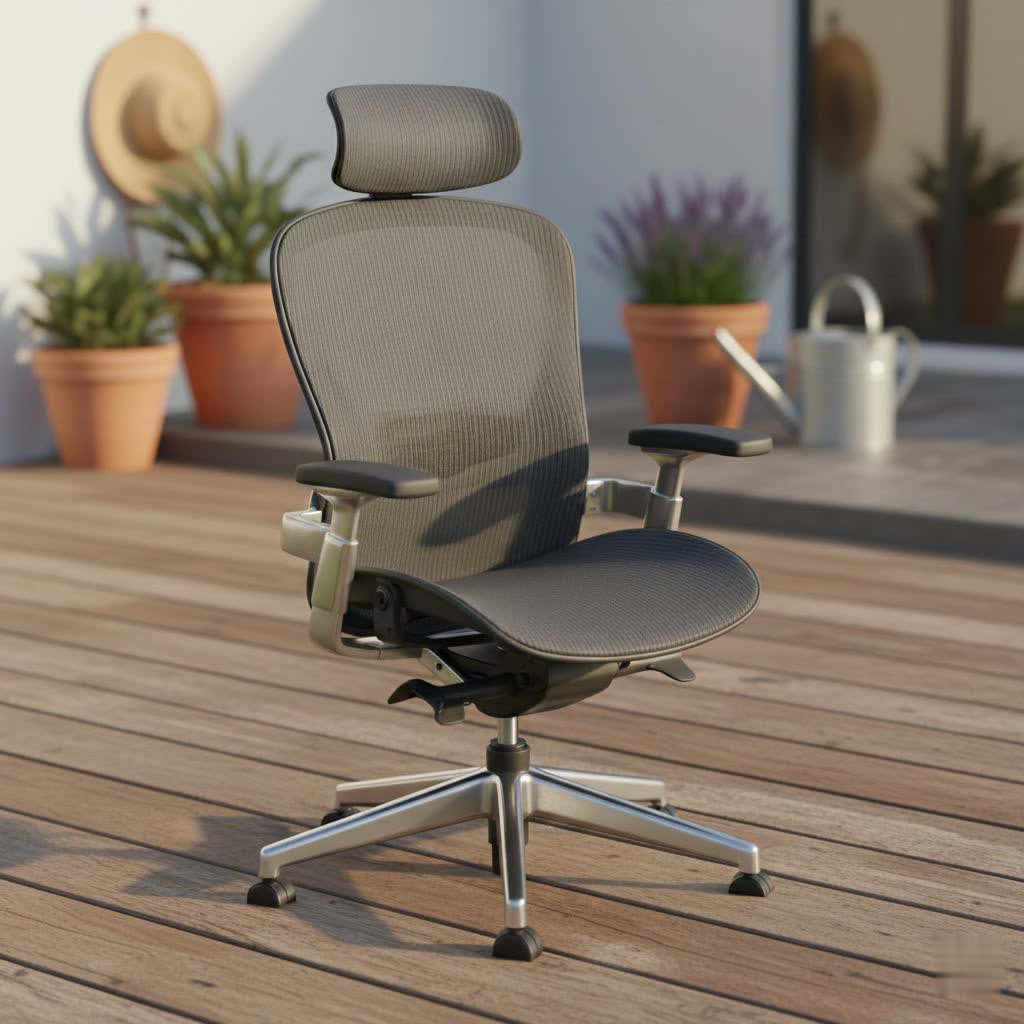
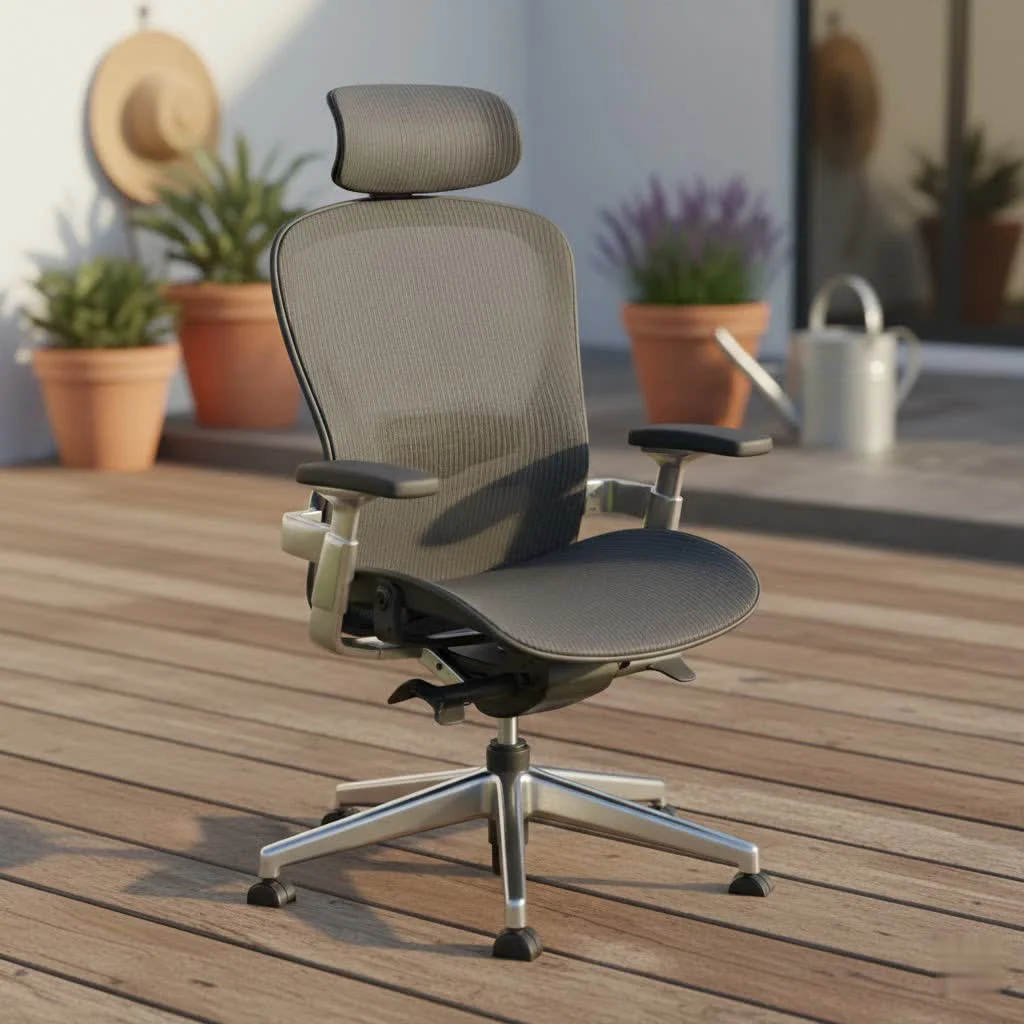
Mesh backrests are a popular feature in budget office chairs due to their breathability. This material allows for excellent airflow, keeping you cool and comfortable, especially in warmer climates. Mesh chairs often combine a mesh back with a padded fabric or foam seat, striking a balance between ventilation and cushioning. They typically offer a modern aesthetic and are lightweight.
Upholstered (Fabric/Leatherette) Chairs
Upholstered chairs, made with fabric or synthetic leather (leatherette), provide a more traditional or executive look. Fabric options offer diverse colors and a soft feel, while leatherette can mimic the luxurious appearance of real leather at a fraction of the cost. These chairs prioritize cushioning and aesthetics, often featuring thicker foam seats. However, they may offer less breathability compared to mesh and can be more prone to showing stains or wear over time.
Key Factors to Consider When Buying a Budget Office Chair
Choosing a budget office chair involves a careful balance between cost and critical features. To ensure you’re making a wise purchase, focus on these essential elements.
Comfort and Support
|
Our Picks for the Best Office Chair in 2026
As an Amazon Associate I earn from qualifying purchases.
|
||
| Num | Product | Action |
|---|---|---|
| 1 | Monhey Desk Computer Chairs - Ergonomic with Lumbar Support & Flip-up Arms Home Office Height Adjustable High Back Rockable Swivel 360° Warm Taupe Mesh Study Chair |

|
| 2 | Ergonomic Office Chair with Footrest - Adjustable Lumbar Support & Headrest, 90-160° Reclining Mesh Back Computer Chair - Home Office/Gaming, 350lbs Capacity (SGS Certified) |
|
| 3 | TRALT Office Chair Ergonomic Desk Chair, 330 LBS Home Mesh Office Desk Chairs with Wheels, Comfortable Gaming Chair, High Back Office Chair for Long Hours (Black) |
|
| 4 | Sweetcrispy Office Computer Desk Chair, Ergonomic High-Back Mesh Rolling Work Chairs with Wheels and Adjustable Headrests, Comfortable Lumbar Support, Comfy Flip-up Arms for Home, Bedroom, Study,Black |
|
| 5 | TRALT Office Chair Ergonomic Desk Chair, 330 LBS Home Mesh Office Desk Chairs with Wheels, Comfortable Gaming Chair, High Back Office Chair for Long Hours (White) |
|
| 6 | BestOffice - Ergonomic Office Chair - Mid-Back Swivel Desk Chair - Breathable Backrest & Lumbar Support - Adjustable Height - Sponge Seat - Rolling Wheels - Black - for Adults & Women |
|
| 7 | Amazon Basics Classic Puresoft PU Padded Mid-Back Height Adjustable Office Computer Desk Chair with Armrest, 26"D x 23.75"W x 42"H, Black |
|
| 8 | TRALT Office Chair - Ergonomic Desk Chair with Adjustable Lumbar Support, Mesh Computer Chair, Executive Chairs for Home Office Comfortable Lumbar Support (Black) |
|
| 9 | Marsail Ergonomic Office Chair: Office Desk Chair with High Back Mesh and Adjustable Lumbar Support Rolling Work Swivel Task Chairs with Wheel 3D Armrests and Headrest |
|
| 10 | Amazon Basics Classic Puresoft PU Padded Mid-Back Height Adjustable Office Computer Desk Chair with Armrest, 26"D x 23.75"W x 42"H, Cream |
|
A comfortable chair is one that properly supports your body, preventing aches and pains. This is paramount, regardless of price point.
- Lumbar Support: This is crucial for maintaining the natural curve of your lower spine. Many budget chairs offer fixed lumbar support, which can be effective if it aligns with your back. Higher-end budget options might include adjustable lumbar support, allowing you to customize its height and depth.
- Seat Cushioning: Look for seats with high-density foam that offers adequate padding without “bottoming out” quickly. Some chairs feature a “waterfall edge” design, which helps relieve pressure on your thighs and improve circulation in your legs and feet.
- Armrests: While fully adjustable 4D armrests are rare in the budget category, many affordable chairs offer height-adjustable or flip-up armrests. Flip-up armrests are particularly useful for pushing your chair completely under your desk or for users who prefer working without armrests.
- Headrest: A headrest provides support for your neck and head, especially beneficial for taller individuals or those who like to recline. In budget chairs, headrests may be fixed or come as an optional add-on.
Materials
The materials used directly impact a chair’s comfort, durability, and aesthetics.
- Mesh: Known for its breathability, mesh backrests are excellent for ventilation, preventing heat buildup. They often offer a firm yet flexible support.
- Fabric: Comfortable and available in various colors, fabric seats and backs are a common choice. However, they might absorb heat more than mesh and can be susceptible to staining.
- Synthetic Leather (PU Leather): Offers a premium look at a lower cost, often easy to wipe clean. However, it can be less breathable and may show wear and tear, such as cracking or peeling, over time.
- Plastic: Expect to see more plastic components in budget chairs, especially for frames and armrest structures. While this keeps costs down, ensure the plastic feels sturdy and well-constructed to avoid flimsiness.
Adjustability
The ability to customize your chair to your body is a major upgrade for long-term comfort and ergonomic health.
- Seat Height: Standard in almost all office chairs, this allows you to position your feet flat on the floor with your knees at a 90-degree angle.
- Backrest Tilt/Recline: Basic budget chairs might offer a simple tilt lock or tension adjustment, while slightly more advanced ones provide a recline function with multiple locking positions.
- Armrest Height: Being able to adjust armrest height ensures your arms are supported at a comfortable 90-degree angle, reducing strain on your shoulders and neck.
- Seat Depth: Less common in the budget category, but valuable for users of different heights, as it allows you to adjust the seat pan forward or backward to ensure proper thigh support without pressure behind the knees.
Durability and Longevity
A truly budget-friendly chair is one that lasts, saving you from frequent replacements.
The “true cost” of a cheap office chair can be higher if it needs replacing every year or two due to poor materials and construction. Professional office chair suppliers indicate that inexpensive options often use inferior materials and unreliable mechanisms that fail within months. Look for chairs with a sturdy frame (metal is generally more durable than all-plastic) and robust casters. Check user reviews for comments on how the chair holds up over time. A good warranty, even for a budget chair, can be a sign of manufacturer confidence in its durability.
Size and Style
While budget chairs often lean towards functional designs, aesthetics and fit are still important.
- Fit for Body Type: Ensure the chair’s dimensions (seat width, depth, backrest height) are suitable for your stature. A chair too small or too large will compromise comfort and support.
- Aesthetics: Many budget office chairs prioritize function over form, often featuring simple designs and limited color options (typically black or grey). However, some brands are offering more visually appealing options that can blend well into a modern home office. Don’t expect the sleek lines of a premium designer chair, but you can still find chairs that are neat and unobtrusive.
Top Budget Office Chairs: A Comparative Overview
Here’s a look at some of the best budget office chairs that deliver excellent value for their price, offering a balance of comfort, support, and adjustability.
| Chair Model | Price Range (Approx.) | Key Advantages | Potential Disadvantages |
|---|---|---|---|
| Flash Furniture Mid-Back Task Chair | $90 – $110 | Very affordable, durable, good lumbar support, flip-up arms, stylish design options. | Limited overall adjustability beyond basic height and tilt. |
| Hbada Office Task Chair | $100 – $130 | Compact, built-in lumbar support, flip-up armrests for space-saving, breathable mesh back. | Few adjustment points, not ideal for larger users, basic recline. |
| Sihoo M18 | $130 – $170 | Excellent ergonomics for the price, adjustable lumbar, comfortable mesh back, good value. | Aesthetics are simple, assembly required (can pay extra for pre-assembled). |
| Aura Ergonomic Chair | $250 – $300 | Highly adjustable (lumbar, headrest, arms, tilt), breathable mesh, smooth rolling, integrated footrest. | Limited color options, assembly can be long. |
| Branch Ergonomic Chair | $360 – $390 | Firm lumbar support, extensive adjustment points (including 3D armrests), durable aluminum base, wide color range. | Headrest is an optional add-on, seat can be firm, not ideal for very large users. |
Note: Prices are approximate and can vary based on retailer, sales, and specific configurations.
Your Smart Buying Guide for a Budget Office Chair
Making an informed decision is key to finding a budget office chair that truly meets your expectations.
1. Identify Your Specific Needs
Before you even start browsing, take stock of your usage habits and physical requirements.
- How many hours do you sit each day? If you spend more than 4-6 hours, prioritizing stronger ergonomic support is crucial.
- Do you have any existing back or neck pain? If so, adjustable lumbar support and a good headrest become non-negotiable features.
- What is your body type? Check the weight capacity and seat dimensions to ensure a proper fit.
- What is your budget limit? Be realistic, but also understand that investing a little more can yield significant long-term benefits in comfort and durability.
2. Research Thoroughly
Beyond this guide, delve deeper into specific models that catch your eye.
- Read Reviews: Look for detailed user reviews and professional comparisons. Pay attention to comments on long-term comfort, durability, and the effectiveness of adjustment features.
- Watch Video Reviews: Videos can offer a more dynamic perspective on a chair’s features, assembly process, and how it performs in real-world scenarios.
- Consult Expert Opinions: Leverage insights from ergonomists or experienced office furniture reviewers.
3. Experience the Chair (If Possible)
Nothing beats trying a chair firsthand.
- Sit Test: If there’s a local retailer, sit in the chair for at least 10-15 minutes. Pay attention to how your back feels, the cushioning of the seat, and the comfort of the armrests.
- Adjust All Features: Experiment with every adjustment available—seat height, tilt, lumbar support, armrests. Can you easily find a comfortable and supportive position?
- Check Quality: Feel the materials, check for any wobbling, and assess the smoothness of the adjustments.
4. Purchase from Reputable Retailers
Buying from a trusted source ensures peace of mind.
- Clear Warranty Policy: Understand the warranty period and what it covers. Longer warranties often indicate better build quality.
- Flexible Return/Exchange Policy: A good return policy allows you to exchange the chair if it doesn’t meet your expectations after a few days of use.
- Customer Support: Good customer service can be invaluable for assembly questions or warranty claims.
Popular Budget Office Chair Brands
While the budget segment sees many generic brands, several have established a reputation for offering good value.
- Sihoo: Known for providing impressive ergonomic features at affordable price points, particularly their mesh-back chairs like the M18 and M57.
- Hbada: Offers compact and functional task chairs, often with convenient features like flip-up armrests, ideal for small spaces.
- Flash Furniture: Provides a range of very affordable and often stylish chairs with essential support features.
- Branch Furniture: While some models fall into the mid-range, their “Ergonomic Chair” and “Softside Chair” are often highlighted for offering premium features at a competitive “budget-plus” price point.
- Vari: Offers supportive task chairs with active lumbar support and contoured designs, aiming for ergonomic benefits within a budget-conscious framework.
- HON: Known for durable and posture-promoting ergonomic options like the Ignition series, which sits at the higher end of the budget spectrum.
- Haworth: While primarily a premium brand, models like the “Breck” offer some advanced features (adjustable seat depth, weight-activated mechanism) at a more accessible price.
Tips for Using and Maintaining Your Budget Office Chair
Even the most affordable office chair can provide years of service with proper care and usage.
- Regular Cleaning: Dust and wipe down your chair regularly according to the material. Mesh can be vacuumed, while fabric may require spot cleaning.
- Adjust for Proper Posture: Take the time to adjust your chair every day to ensure it supports an ergonomic posture. Your feet should be flat on the floor, knees at 90 degrees, and arms comfortably supported.
- Take Breaks: Even with the best chair, prolonged sitting is not ideal. Take short breaks every hour or so to stand, stretch, and move around.
- Periodic Maintenance Checks: Every few months, check and tighten any loose bolts or screws. Lubricate moving parts if needed to prevent squeaks and ensure smooth operation.
“A well-chosen budget office chair is not merely a piece of furniture; it’s an investment in your daily comfort, health, and ultimately, your long-term productivity.”
Conclusion
Navigating the world of office chairs on a budget doesn’t have to be a compromise on comfort or support. By understanding the key features, researching thoroughly, and identifying your specific needs, you can find a high-value budget office chair that truly enhances your workspace. the goal is to discover a chair that balances affordability with essential ergonomics, allowing you to work comfortably and productively without breaking the bank. Your health and comfort are priceless, but finding a great office chair doesn’t have to be.
What features are you prioritizing in your next budget office chair, and how will you ensure it perfectly fits your work routine?
Frequently Asked Questions
Are budget ergonomic office chairs truly effective for back pain?
Many budget ergonomic chairs offer significant improvements over standard office chairs, providing adjustable lumbar support and features that encourage better posture. While they may not offer the extensive customization of high-end models, a well-chosen budget ergonomic office chair can certainly alleviate and prevent common back pain by supporting the natural spinal curve and promoting healthy sitting habits.
What’s the ideal price range for a good budget office chair?
A good budget office chair typically ranges from $100 to $400. Chairs at the lower end (under $150) offer basic but essential comfort and support, often ideal for shorter daily use. As you approach the $250-$400 range, you’ll find more advanced ergonomic features, better materials, and greater adjustability, making them suitable for longer workdays and users with specific ergonomic needs.
Should I prioritize a mesh or upholstered office chair on a budget?
The choice between mesh and upholstered depends on your priorities. Mesh chairs excel in breathability, making them ideal for warmer environments or individuals who tend to get hot. Upholstered (fabric or synthetic leather) chairs often prioritize cushioning and aesthetics, offering a softer feel and more traditional look. Consider your climate, personal comfort preference, and how easily you want to clean the chair.
How long should a budget office chair last?
While high-end chairs can last 5-10 years or more, a quality budget office chair, especially those in the $200-$400 range, can typically last 3-5 years with proper care. Very inexpensive chairs (under $100) might only last 1-3 years due to compromises in material quality. Longevity is heavily influenced by construction, materials, and how the chair is used and maintained.
Get our weekly buyer guide
Practical specs, not advice. Unsubscribe anytime.

The advice on checking for BIFMA certification was super helpful, I never even knew that was a thing! I ended up getting a chair that seemed great, but the recline function is a little stiff. It works, but it’s not as smooth as I’d hoped. Still, for the price point, it’s a solid upgrade from my old dining chair.
I appreciated the breakdown of different chair types, especially the ergonomic vs. task chair comparison. I thought I needed a full-on ergonomic chair, but realized a good task chair with adjustable armrests was actually perfect for my setup and budget. It’s comfortable for my 6-7 hours of daily use, though I do wish the seat cushion was a tiny bit thicker for those really long days.
Finally, a guide that actually focuses on budget chairs without just recommending super expensive ones! I followed the advice about looking for chairs with good adjustability, specifically seat height and tilt lock. My new chair feels custom-made for me, and my shoulders aren’t nearly as tense. Great resource for anyone working from home on a budget.
I was really struggling to find a good chair under $200 that wasn’t going to kill my back after a few hours. This guide helped me narrow down the options and I ended up getting the one with the mesh back. It’s been a game-changer for my posture and I don’t feel nearly as fatigued at the end of the day. Highly recommend paying attention to the lumbar support tips!