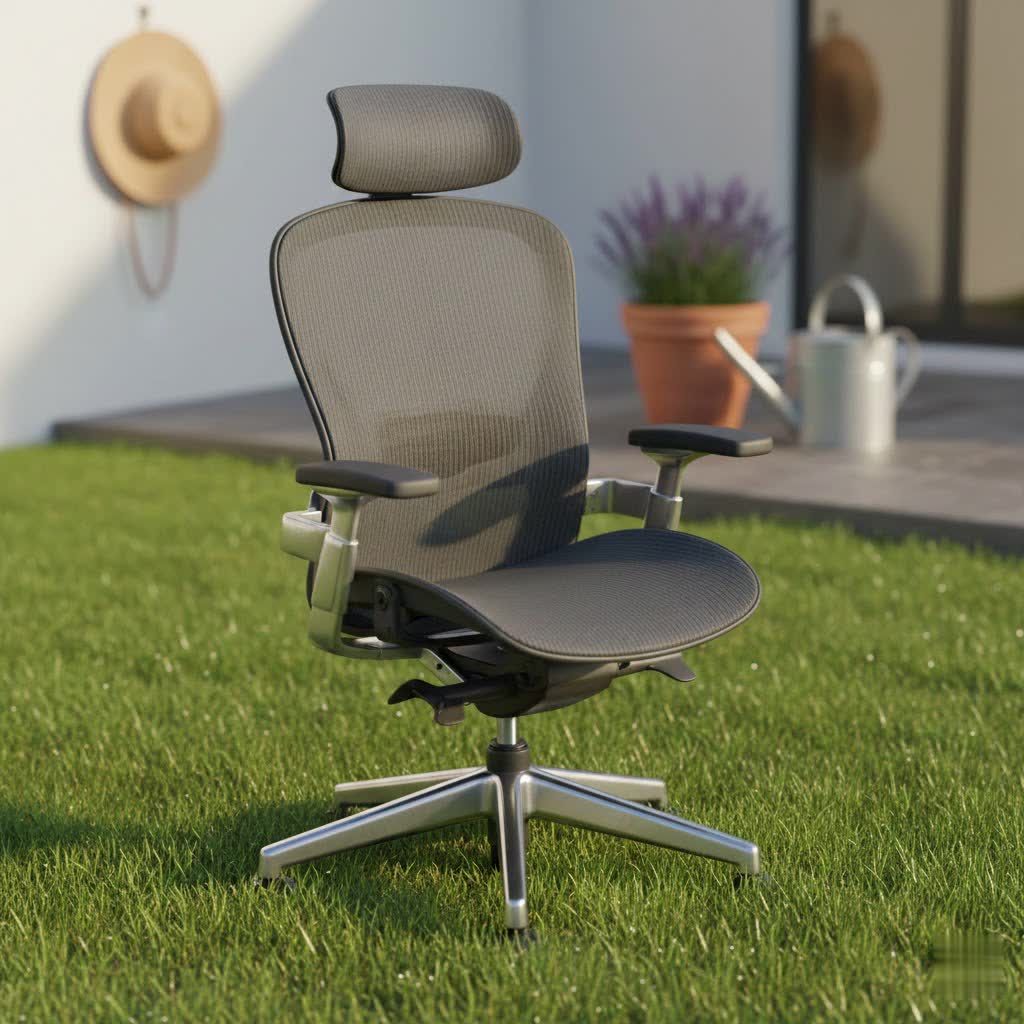
Spending countless hours seated at a desk is a modern reality for many, and the chair you choose plays a pivotal role in your overall well-being and efficiency. A standard office chair might offer a place to sit, but an ergonomic office chair is meticulously designed to support your body’s natural posture, minimize strain, and enhance your health and productivity in the long run. If you’ve ever experienced persistent back pain, neck stiffness, or general discomfort after a long day of work, it’s likely your chair is more a hindrance than a help. Investing in the right ergonomic office chair isn’t just about luxury; it’s a commitment to your health and an invaluable upgrade to your workspace.
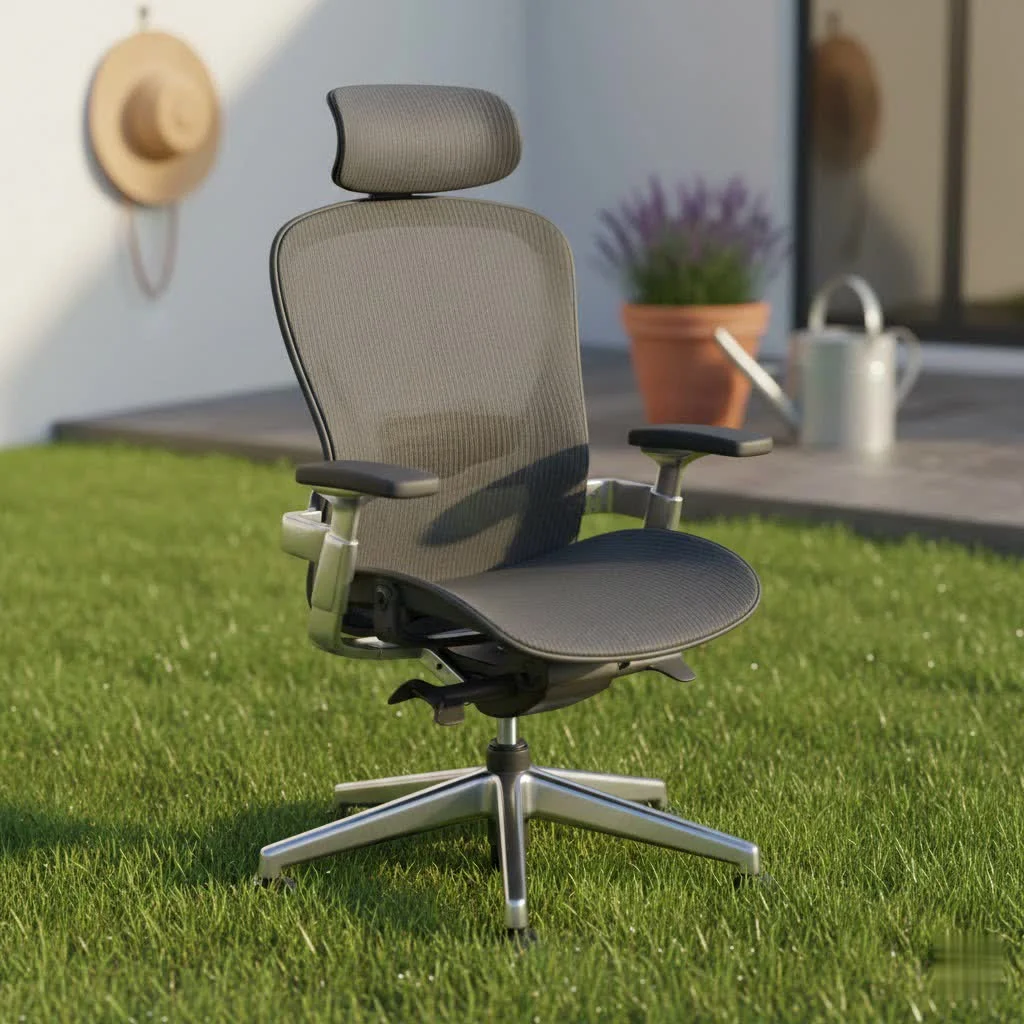
Ergonomic Office Chairs: A Detailed Selection Guide
Choosing an ergonomic office chair can seem daunting with the many options available. This guide will walk you through the different types, crucial factors to consider, and provide insights to help you find the perfect match for your needs.
Types of Office Chairs
While many chairs can be found in an office setting, ergonomic chairs distinguish themselves through specialized design and features. Here are some common types, with a focus on what makes an ergonomic chair stand out:
- Swivel Chairs: Most office chairs, including ergonomic ones, feature a swivel base for easy movement and access to different parts of your desk without straining.
- Kneeling Chairs: These chairs distribute weight between your buttocks and knees, promoting an open hip angle and better spinal alignment. They can be a good option for some, but may not be suitable for prolonged use or individuals with knee issues.
- Mesh Chairs: Popular for their breathability, mesh backrests and sometimes seats promote airflow, keeping you cool and comfortable, especially in warmer climates. Many ergonomic designs incorporate mesh.
- Leather Chairs: Often chosen for their executive look and ease of cleaning, leather chairs offer a luxurious feel. However, they can retain heat more than mesh and may require more robust internal ergonomic mechanisms to ensure proper support.
- Ergonomic Chairs: This category encompasses chairs specifically engineered with human body mechanics in mind. They feature extensive adjustability and contoured supports to maintain healthy posture, alleviate pressure points, and reduce the risk of musculoskeletal disorders. These are the focus of our guide, offering superior support compared to conventional designs.
Key Factors to Consider When Buying an Ergonomic Office Chair
The true value of an ergonomic office chair lies in its ability to adapt to your unique body and work habits. Here’s what you should prioritize:
- Comfort and Support: The core of any good ergonomic chair.
- Backrest: It should support the natural S-curve of your spine, especially the lumbar region (lower back). Look for a backrest that is height-adjustable and ideally has adjustable lumbar support that can move in and out to match your specific spinal curve.
- Seat Cushion: A well-padded, contoured seat that is also breathable is essential. It should distribute your weight evenly, reducing pressure on your hips and thighs. A waterfall edge (curving downwards) helps prevent compression behind the knees and promotes good circulation.
- Armrests: Adjustable armrests are crucial. They should allow your arms to rest comfortably at a 90-degree angle to your desk, alleviating tension in your shoulders and neck. Look for height, width, and depth adjustability.
- Material: The choice of material impacts comfort, durability, and aesthetics.
- Mesh: Excellent for ventilation, preventing heat and moisture buildup. Ideal for long hours and warmer environments.
- Leather: Offers a premium, sophisticated look and is generally easy to clean. May be less breathable than mesh.
- Fabric: Provides a comfortable feel, comes in a wide range of colors, and can offer a good balance of breathability and softness.
- Adjustability: This is where ergonomic chairs truly shine. The more adjustable components, the better you can customize the chair to fit your body perfectly.
- Chair Height: Essential for ensuring your feet rest flat on the floor (or a footrest) with your knees at a 90-degree angle.
- Backrest Recline/Tilt: Allows you to lean back, reducing pressure on your lower spine. Look for tilt tension control and tilt lock features to secure your preferred recline angle. Some advanced chairs offer synchro-tilt, where the backrest reclines more than the seat, keeping your feet grounded.
- Seat Depth: Important for ensuring there are 2-4 inches between the edge of the seat and the back of your knees, preventing pressure and promoting circulation.
- Armrests: As mentioned, multi-directional adjustability (height, width, depth, pivot) is ideal for various tasks and body types.
- Durability and Lifespan: A good ergonomic chair is an investment, so quality construction is key.
- Frame: Look for sturdy materials like steel or reinforced alloys.
- Casters (Wheels): Smooth, quiet-gliding casters are important for mobility. Choose appropriate types for your flooring (e.g., soft wheels for hard floors, hard wheels for carpet).
- Weight Capacity: Ensure the chair can safely support your body weight.
- Size and Style: The chair should not only fit your body but also complement your workspace. Consider high-back chairs for full spinal and head support, or mid-back for more task-oriented work.
Best Ergonomic Office Chairs: A Comparative Table
|
Our Picks for the Best Office Chair in 2026
As an Amazon Associate I earn from qualifying purchases.
|
||
| Num | Product | Action |
|---|---|---|
| 1 | Amazon Basics Classic Puresoft PU Padded Mid-Back Height Adjustable Office Computer Desk Chair with Armrest, 26"D x 23.75"W x 42"H, Black |

|
| 2 | Ergonomic Office Chair with Footrest - Adjustable Lumbar Support & Headrest, 90-160° Reclining Mesh Back Computer Chair - Home Office/Gaming, 350lbs Capacity (SGS Certified) |
|
| 3 | TRALT Office Chair Ergonomic Desk Chair, 330 LBS Home Mesh Office Desk Chairs with Wheels, Comfortable Gaming Chair, High Back Office Chair for Long Hours (White) |
|
| 4 | Marsail Ergonomic Office Chair: Office Desk Chair with High Back Mesh and Adjustable Lumbar Support Rolling Work Swivel Task Chairs with Wheel 3D Armrests and Headrest |
|
| 5 | BestOffice - Ergonomic Office Chair - Mid-Back Swivel Desk Chair - Breathable Backrest & Lumbar Support - Adjustable Height - Sponge Seat - Rolling Wheels - Black - for Adults & Women |
|
| 6 | TRALT Office Chair - Ergonomic Desk Chair with Adjustable Lumbar Support, Mesh Computer Chair, Executive Chairs for Home Office Comfortable Lumbar Support (Black) |
|
| 7 | Sweetcrispy Office Computer Desk Chair, Ergonomic High-Back Mesh Rolling Work Chairs with Wheels and Adjustable Headrests, Comfortable Lumbar Support, Comfy Flip-up Arms for Home, Bedroom, Study,Black |
|
| 8 | TRALT Office Chair Ergonomic Desk Chair, 330 LBS Home Mesh Office Desk Chairs with Wheels, Comfortable Gaming Chair, High Back Office Chair for Long Hours (Black) |
|
| 9 | Monhey Desk Computer Chairs - Ergonomic with Lumbar Support & Flip-up Arms Home Office Height Adjustable High Back Rockable Swivel 360° Warm Taupe Mesh Study Chair |
|
| 10 | Amazon Basics Classic Puresoft PU Padded Mid-Back Height Adjustable Office Computer Desk Chair with Armrest, 26"D x 23.75"W x 42"H, Cream |
|
When considering an ergonomic office chair, it’s helpful to compare popular models. While specific prices fluctuate, this table gives a general idea of features and considerations.
| Brand | Model | Pros | Cons | Typical Price Range (USD) |
|---|---|---|---|---|
| Herman Miller | Aeron | Iconic design, exceptional support, durable | High price, limited recline for some | $1,000 – $2,000+ |
| Steelcase | Gesture | Highly adjustable, dynamic back support | Premium price, can feel firm | $1,000 – $1,800+ |
| Haworth | Fern | Stylish, flexible back, good adjustability | High price, headrest often extra | $1,000 – $1,700+ |
| Branch | Verve Chair | Modern aesthetic, solid comfort, value | Fewer extreme adjustments than luxury | $500 – $700 |
| Sihoo | M18 | Affordable, good adjustability for price | Shorter warranty, basic armrests | $200 – $350 |
How to Buy the Right Ergonomic Office Chair
Making the best choice involves a thoughtful process:
- Determine Your Needs:
- How many hours per day do you sit? Full-time desk workers need more robust adjustability and durability than casual users.
- Do you have existing back or spinal issues? If so, prioritize chairs with advanced lumbar support and comprehensive adjustability.
- What is your budget? While ergonomic chairs are an investment, options exist across various price points.
- Research Thoroughly:
- Read reviews from multiple sources and comparison articles.
- Watch video reviews to see the chair’s features and adjustability in action.
- Seek opinions from other users, especially those with similar body types or work needs.
- Test in Person (If Possible): This is perhaps the most critical step.
- Sit in the chair for at least 10-15 minutes to assess initial comfort.
- Adjust all available settings—seat height, backrest tilt, lumbar support, armrests—to see how well the chair can be customized for your body.
- Check the quality of materials and stability.
- Choose Reputable Retailers:
- Ensure the store offers a clear warranty and return policy. A good warranty reflects the manufacturer’s confidence in their product.
- Look for stores that provide support for setup or adjustments if needed.
Popular Ergonomic Office Chair Brands
The market offers a wide array of excellent ergonomic chair brands, catering to different budgets and preferences. Some of the most renowned include:
- Herman Miller: Known for iconic, high-end designs like the Aeron and Embody, offering exceptional durability and advanced ergonomics.
- Steelcase: A leader in office furniture, with popular models like the Leap and Gesture celebrated for their dynamic support and robust build quality.
- Haworth: Offers stylish and functional ergonomic chairs, such as the Fern, focusing on flexibility and sophisticated design.
- Branch Furniture: Gaining popularity for offering well-designed, comfortable, and aesthetically pleasing ergonomic options at more accessible price points.
- Humanscale: Specializes in ergonomic tools and chairs designed for simplicity, ease of use, and sustainable practices, with the Freedom chair being a standout.
- Sihoo & Hinomi: Popular online brands that provide feature-rich ergonomic chairs, often at a more competitive price point than traditional luxury brands, making advanced ergonomics more accessible.
Tips for Using and Maintaining Your Ergonomic Office Chair
To maximize the benefits and lifespan of your ergonomic chair, follow these best practices:
- Clean Your Chair Regularly: Wipe down surfaces with appropriate cleaners based on the material (mesh, fabric, leather). This prevents dust and grime buildup.
- Adjust Your Chair Correctly: Periodically re-evaluate your settings to ensure optimal posture. Your feet should be flat, knees at a 90-degree angle, and lower back supported.
- Avoid Prolonged Static Sitting: Even with the best ergonomic chair, regular movement is vital. Take short breaks every hour to stretch, stand, or walk around to promote circulation and reduce stiffness.
- Perform Periodic Checks and Maintenance: Inspect casters, gas lift, and adjustment mechanisms for wear and tear. Lubricate moving parts if necessary to ensure smooth operation.
“A good office chair isn’t just furniture; it’s an investment in your health and productivity.” – An expert’s insight reinforces the long-term value of a quality ergonomic chair.
Conclusion
Choosing the right ergonomic office chair is a significant step towards a healthier, more comfortable, and productive work life. By understanding the key features, considering your personal needs, and exploring reputable brands, you can find a chair that truly supports your body. that the best chair is one that fits you perfectly, allowing for customizable support and dynamic movement throughout your day. Take the time to make an informed decision, and your body will thank you.
Are you ready to improve your workspace and say goodbye to discomfort?
Frequently Asked Questions
Are ergonomic office chairs truly good for health?
Yes, ergonomic office chairs are highly beneficial for health. They are designed to support your body’s natural posture, reducing strain on your spine, neck, and shoulders. This can alleviate existing pain, prevent musculoskeletal disorders like back pain and carpal tunnel syndrome, improve circulation, and even boost focus and productivity by minimizing physical discomfort.
Should I choose a leather or mesh office chair?
The choice between leather and mesh depends on your priorities. Mesh chairs excel in breathability, making them ideal for hot climates or individuals who tend to get warm. They also conform well to the body. Leather chairs offer a premium aesthetic, are generally easy to clean, and provide a luxurious feel, though they may retain more heat and are often at a higher price point.
What is the typical price range for a good ergonomic office chair?
The price of a good ergonomic office chair can vary widely. Entry-level ergonomic chairs with decent adjustability might start around $200-$400. Mid-range options with more advanced features, better materials, and longer warranties typically fall between $500-$1,000. High-end, premium chairs from leading brands with extensive adjustability and superior durability can range from $1,000 to over $2,000.
Get our weekly buyer guide
Practical specs, not advice. Unsubscribe anytime.

I finally pulled the trigger on a new ergonomic chair after reading about how important proper posture is for long workdays. My old chair was giving me serious neck stiffness, and this new one has made a huge difference. The lumbar support is fantastic, and I can really feel my back being properly aligned. Definitely worth the investment for my health and productivity.
This guide really helped me understand the different types of ergonomic chairs available. I ended up going with one that had a mesh back, and it’s been amazing for breathability, especially during the summer. My overall well-being at the desk has improved so much, and I don’t feel that general discomfort anymore after a full day of work.
I’ve been using my new chair for about a month now, and it’s a significant upgrade from my old standard office chair. The adjustability options are great, especially for someone like me who’s a bit taller. I still find the armrests a little less padded than I’d prefer for really long sessions, but overall, it’s a solid choice for minimizing strain.
I was really hoping this chair would solve my persistent back pain, and while it’s better than my old one, it hasn’t completely eliminated it. I appreciate the focus on supporting natural posture, but I think I might need to try a different model with more aggressive lumbar support. It’s a good chair, just not the miracle cure I was looking for.