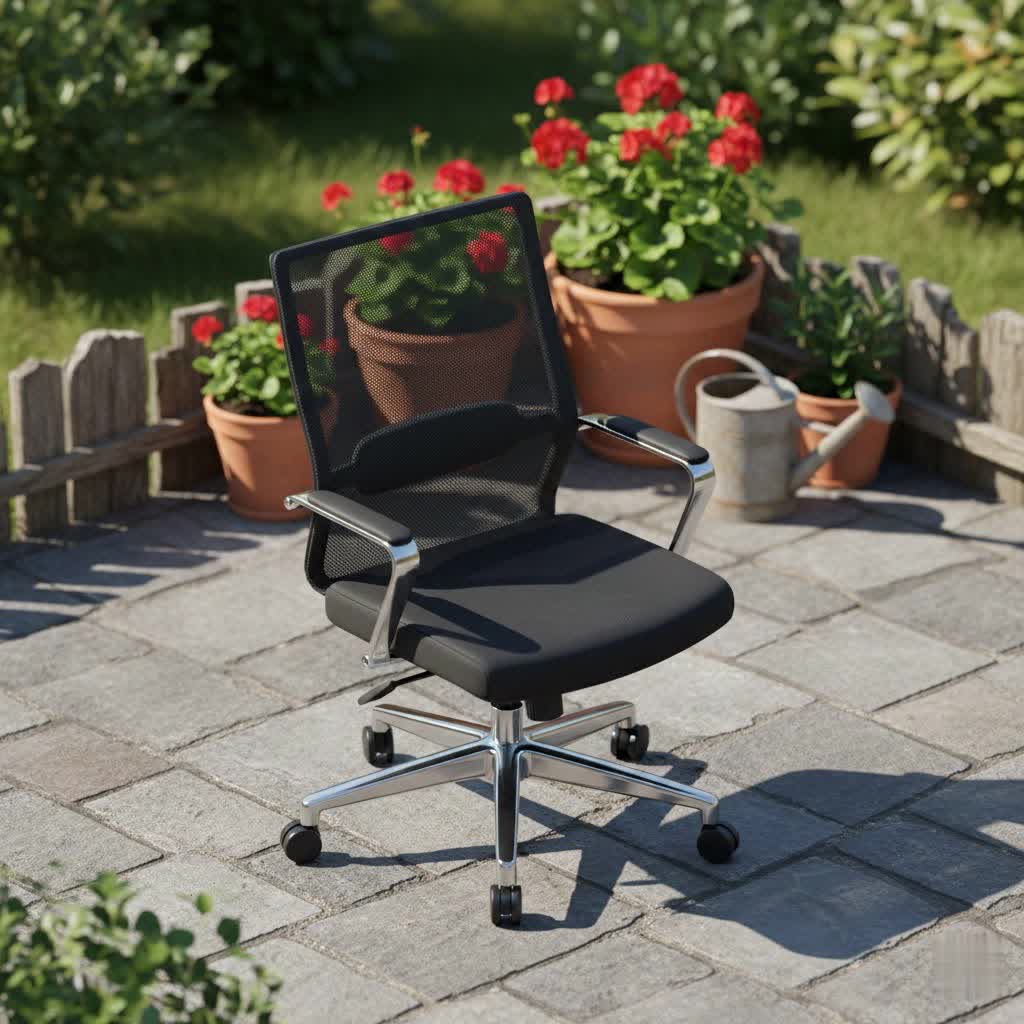
Working from home has become the new normal for many, transforming spare rooms and kitchen tables into dedicated workspaces. While this shift offers immense flexibility, it also introduces a critical challenge: maintaining long-term health and productivity when sitting for extended periods. A proper ergonomic office chair isn’t merely a piece of furniture; it’s a vital investment in your well-being, designed to support your body, prevent discomfort, and enhance your focus throughout the workday.
After years of reviewing hundreds of office chairs, I’ve seen firsthand the difference a truly ergonomic design can make. It’s about more than just comfort; it’s about optimizing your posture, easing strain, and ensuring durability. This comprehensive guide will equip you with the knowledge to navigate the options and find the perfect ergonomic chair to improve your home office experience.
Why an Ergonomic Chair is Essential for Your Home Office
The benefits of an ergonomic chair extend far beyond initial comfort. For anyone spending significant hours at a desk, a well-designed chair can be a major upgrade for physical health and overall performance.
Improved Posture and Spinal Health
Traditional chairs often force your body into unnatural positions, leading to slouching and misaligning your spine. An ergonomic chair, however, is meticulously crafted to support your spine’s natural S-curve, promoting proper posture. This alignment reduces pressure on your spinal discs and surrounding muscles, actively working against the gravitational forces that can lead to poor posture over time.
Reduced Pain and Discomfort
One of the most immediate and significant advantages is the reduction of pain. Prolonged sitting in an unsupportive chair is a common culprit for back, neck, shoulder, and even hip pain. Ergonomic chairs, with their customizable features like adjustable lumbar support and cushioned seats, distribute your weight evenly and maintain optimal alignment, significantly mitigating these aches. Research indicates that proper ergonomic seating can reduce musculoskeletal disorders by up to 75% and lessen back pain and neck strain in office workers by as much as 50%.
Enhanced Productivity and Focus
When you’re constantly shifting, fidgeting, or experiencing discomfort, your focus inevitably wavers. An ergonomic chair minimizes these distractions by keeping you comfortable and properly supported, allowing you to concentrate more effectively on your tasks. Studies have even shown that ergonomic office designs can boost productivity by up to 40%, highlighting the direct link between comfort and output.
Better Blood Circulation and Energy Levels
Proper seating encourages healthy blood flow throughout your body, preventing the numbness and fatigue often associated with stagnant postures. Features like a waterfall-edge seat and adjustable recline can help reduce pressure on your thighs and improve circulation to your lower extremities, ensuring nutrients and oxygen flow efficiently to your brain, which in turn enhances alertness and creativity.
A Long-Term Investment in Your Health
|
Our Picks for the Best Office Chair in 2026
As an Amazon Associate I earn from qualifying purchases.
|
||
| Num | Product | Action |
|---|---|---|
| 1 | BestOffice - Ergonomic Office Chair - Mid-Back Swivel Desk Chair - Breathable Backrest & Lumbar Support - Adjustable Height - Sponge Seat - Rolling Wheels - Black - for Adults & Women |

|
| 2 | Monhey Desk Computer Chairs - Ergonomic with Lumbar Support & Flip-up Arms Home Office Height Adjustable High Back Rockable Swivel 360° Warm Taupe Mesh Study Chair |
|
| 3 | Amazon Basics Classic Puresoft PU Padded Mid-Back Height Adjustable Office Computer Desk Chair with Armrest, 26"D x 23.75"W x 42"H, Black |
|
| 4 | TRALT Office Chair Ergonomic Desk Chair, 330 LBS Home Mesh Office Desk Chairs with Wheels, Comfortable Gaming Chair, High Back Office Chair for Long Hours (White) |
|
| 5 | Marsail Ergonomic Office Chair: Office Desk Chair with High Back Mesh and Adjustable Lumbar Support Rolling Work Swivel Task Chairs with Wheel 3D Armrests and Headrest |
|
| 6 | Ergonomic Office Chair with Footrest - Adjustable Lumbar Support & Headrest, 90-160° Reclining Mesh Back Computer Chair - Home Office/Gaming, 350lbs Capacity (SGS Certified) |
|
| 7 | TRALT Office Chair - Ergonomic Desk Chair with Adjustable Lumbar Support, Mesh Computer Chair, Executive Chairs for Home Office Comfortable Lumbar Support (Black) |
|
| 8 | Amazon Basics Classic Puresoft PU Padded Mid-Back Height Adjustable Office Computer Desk Chair with Armrest, 26"D x 23.75"W x 42"H, Cream |
|
| 9 | TRALT Office Chair Ergonomic Desk Chair, 330 LBS Home Mesh Office Desk Chairs with Wheels, Comfortable Gaming Chair, High Back Office Chair for Long Hours (Black) |
|
| 10 | Sweetcrispy Office Computer Desk Chair, Ergonomic High-Back Mesh Rolling Work Chairs with Wheels and Adjustable Headrests, Comfortable Lumbar Support, Comfy Flip-up Arms for Home, Bedroom, Study,Black |
|
Investing in an ergonomic chair is an investment in your long-term health. By preventing issues like chronic back pain, carpal tunnel syndrome, and other musculoskeletal disorders, you’re not just buying comfort; you’re actively reducing potential medical expenses and lost workdays. These chairs are built to last, often coming with extensive warranties that reflect their durability and value over many years of use.
Key Factors When Choosing Your Ergonomic Home Office Chair
Not all “ergonomic” chairs are created equal. To find the one that truly fits your needs, consider these crucial factors.
Comfort and Support
The foundation of any good ergonomic chair lies in its ability to provide comprehensive support and personalized comfort.
- Backrest: Your backrest should support the natural curve of your lower spine (lumbar region). Look for chairs with adjustable lumbar support that can be moved both vertically and horizontally to match your specific spinal curvature. A high enough backrest is also essential to support your entire back, reaching at least to your shoulder blades, or even providing a headrest for full neck and head support when reclining. A recline function is vital; research suggests a slight recline of 100-110 degrees is optimal for reducing pressure on your lower spine. Dynamic backrests that move with your body are superior to static ones, promoting healthy spinal movement.
- Seat Cushion: The seat should be comfortable, adequately padded, and breathable. A waterfall-edge seat (one that curves downwards at the front) is key to preventing pressure on the backs of your thighs, which can impede circulation. Ensure there are 2-4 inches of clearance between the edge of the seat and the back of your knees when you sit back fully. The seat width should comfortably accommodate your hips and thighs without being too wide to reach the armrests easily.
- Armrests: Adjustable armrests are crucial for supporting the weight of your arms, which reduces strain on your shoulders, neck, and upper back. The best ergonomic chairs offer multi-directional (3D, 4D, or even 5D) adjustability, allowing you to modify their height, width, depth, and pivot. This ensures your arms can rest at a comfortable 90-degree angle to your desk, regardless of your task.
Material
The material of your chair impacts comfort, breathability, durability, and aesthetics.
- Mesh: Mesh backrests are excellent for breathability, allowing air circulation to prevent overheating and sweating, especially in warmer climates. They often provide flexible, adaptive support.
- Fabric: Fabric upholstery offers a wide range of colors and textures, providing a soft and comfortable feel. It can be breathable, but less so than mesh. High-quality fabrics are durable and can withstand daily use.
- Leather: Leather provides a luxurious look and feel, is easy to clean, and often very durable. However, it is less breathable than mesh or some fabrics, which might be a consideration in warm environments.
- Cushioning: For seat cushions, high-density foam maintains its shape and support over time, offering superior longevity compared to lower-density foams that can compress quickly.
Adjustability
The hallmark of a truly ergonomic chair is its extensive adjustability, allowing it to conform to your unique body.
- Seat Height: The chair must allow you to adjust the seat height so your feet rest flat on the floor, with your knees at a 90-degree angle and thighs parallel to the floor. Pneumatic adjustment levers are ideal for easy modifications while seated. A typical range of 16-21 inches from the floor accommodates most users.
- Seat Depth: An adjustable seat depth (often called a sliding seat pan) lets you customize the distance from the backrest to the front edge of the seat. This ensures proper thigh support while maintaining the 2-4 inch clearance behind your knees.
- Backrest Adjustments: Beyond recline, look for tension control to adjust the force needed to recline, and multiple locking positions to support various tasks throughout your day.
- Headrest: If included, an adjustable headrest should support the natural curve of your neck and be positionable to match your height and preferred sitting posture, reducing neck strain.
Durability and Longevity
A high-quality ergonomic chair is an investment, and its durability directly relates to its value.
- Frame and Base: The chair’s structural elements should be made from sturdy materials like reinforced nylon, steel, or aluminum to ensure stability and longevity. A five-point wheeled base is standard for quality ergonomic chairs, providing crucial stability and preventing tipping.
- Casters: The wheels (casters) should glide smoothly over your flooring without causing damage. Some chairs offer a choice between hard floor casters (for wood, tile, laminate) and carpet casters.
- Weight Capacity: Check the stated weight capacity to ensure the chair can safely and effectively support your body type. Premium chairs typically support 250-300 pounds, with specialized models for higher capacities.
- Warranty: A generous warranty (often 10+ years for premium models) reflects the manufacturer’s confidence in the product’s quality and is a good indicator of expected lifespan.
Size and Style
While ergonomics are paramount, the chair should also fit your body and blend with your home office aesthetic.
- Body Fit: Ergonomic chairs are not one-size-fits-all. Consider your height, weight, and unique body proportions. Some brands offer different chair sizes (A, B, C) or specialized models for shorter, taller, or larger individuals.
- Aesthetics: Your home office is part of your living space. Many ergonomic chairs now come in a variety of styles, colors, and finishes to complement modern interiors or personal tastes.
Types of Ergonomic Office Chairs
While there are many labels, ergonomic chairs primarily differ in their features and design philosophy.
- Fully Adjustable Ergonomic Chairs: These are the gold standard, offering extensive customization for almost every component—seat height, depth, tilt, backrest height and recline, lumbar support (height and depth), and multi-directional armrests. Brands like Herman Miller, Steelcase, and Haworth excel in this category.
- Mesh Back Ergonomic Chairs: Prioritizing breathability and flexible support, these chairs typically feature a mesh backrest combined with a cushioned or mesh seat. They are excellent for maintaining a cool and comfortable sitting experience.
- Dynamic Support Ergonomic Chairs: Designed to encourage micro-movements and adapt to your changing postures throughout the day, rather than locking you into a single “perfect” position. Humanscale and Knoll are known for chairs with this philosophy.
- Budget-Friendly Ergonomic Chairs: These chairs focus on providing core ergonomic adjustments at a more accessible price point, often prioritizing adjustable lumbar support, seat height, and basic armrest adjustments. Brands like Sihoo and Branch offer popular options in this segment.
Top Ergonomic Chair Brands
The market offers a wide spectrum of ergonomic chair brands, each with its strengths.
- Premium & High-End:
- Herman Miller: Renowned for iconic designs like the Aeron and Embody, known for extensive research, superior materials, and exceptional durability with long warranties.
- Steelcase: Another industry leader, offering highly adjustable and robust chairs like the Leap and Gesture, praised for their comfort and innovative back support.
- Haworth & Humanscale: Known for elegant designs that prioritize dynamic movement and intuitive adjustments, such as the Haworth Fern and Humanscale Freedom.
- Anthros: Praised for its unique pelvic support system, designed by physical therapists for exceptional comfort and spinal alignment.
- Mid-Range & Value:
- Branch: Offers well-regarded ergonomic chairs like the Branch Ergonomic Chair Pro, balancing comprehensive features with a more accessible price point.
- Sihoo: Has gained popularity for providing significant ergonomic features, including adjustable lumbar support and multi-dimensional armrests, at competitive prices, with models like the M18 receiving high ratings.
- Hon, FlexiSpot, Boulies, Aura: These brands provide a range of ergonomic options that offer good value and essential adjustability for many home office users.
How to Buy the Perfect Ergonomic Chair for Your Home Office
Finding the ideal ergonomic chair is a personal journey. Here’s a structured approach to ensure you make the right choice.
1. Determine Your Specific Needs
Start by honest self-assessment:
- Daily Sitting Hours: How many hours a day will you be using the chair? Full-time users (6+ hours) should invest more.
- Existing Health Issues: Do you have current back, neck, or joint pain? Specialized support might be necessary.
- Budget: Set a realistic budget, understanding that higher-priced chairs often translate to better adjustability, materials, and longevity. Consider the cost per year of use; a $1,000 chair with a 10-year warranty costs about $100 per year, which can be less than replacing multiple budget chairs.
- Body Type: Account for your height, weight, and body proportions. Standard chairs might not fit if you are significantly shorter, taller, or larger than average.
2. Research Thoroughly
Don’t rush the process. Read expert reviews, compare product specifications, and watch video demonstrations. Look for consistent feedback on comfort, adjustability, and durability across multiple sources. Pay attention to user reviews for real-world insights into how chairs perform over time.
3. Try Before You Buy (If Possible)
This is arguably the most critical step. Online descriptions can only tell you so much. If possible, visit showrooms where you can:
- Sit in the Chair: Experience the seat cushion, backrest contour, and overall feel.
- Adjust All Features: Experiment with every lever and knob to understand the full range of adjustability and how it conforms to your body.
- Simulate Your Workday: Spend at least 15-20 minutes in the chair, mimicking your typical work postures.
4. Choose Reputable Retailers
Purchase from stores or brands known for their quality products and excellent customer service. Look for:
- Clear Warranty Policies: Understand what is covered and for how long.
- Generous Return Policies: A good return window (e.g., 30 days) allows you to test the chair in your actual home office environment.
- Responsive Customer Support: Essential for any questions or issues that may arise.
Tips for Using and Maintaining Your Ergonomic Chair
Even the best ergonomic chair won’t deliver its full potential if not used and maintained correctly.
- Adjust Regularly: Your body moves, and your tasks change. Periodically re-adjust your chair’s settings throughout the day to support different postures and activities.
- Maintain Proper Posture: Even with an ergonomic chair, conscious effort is needed. Keep your feet flat on the floor (or on a footrest), knees at a 90-degree angle, back fully supported by the backrest, shoulders relaxed, and arms at a 90-degree angle to your desk.
- Take Movement Breaks: No matter how ergonomic your chair, prolonged static sitting is detrimental. Stand up, stretch, and move around for 5-10 minutes every hour to promote circulation and prevent stiffness.
- Clean and Inspect: Follow manufacturer guidelines for cleaning your chair’s materials. Regularly check all adjustment mechanisms, casters, and structural components to ensure they are functioning smoothly and safely. Tighten any loose screws as needed.
Conclusion
Choosing the right ergonomic chair for your home office is one of the most impactful decisions you can make for your health, comfort, and productivity. It’s an investment that pays dividends by mitigating pain, enhancing focus, and supporting your long-term well-being. the perfect chair is a sophisticated tool that adapts to your unique body and working style, facilitating dynamic movement rather than static positioning. By prioritizing adjustability, support, material quality, and durability, you’re not just buying a chair; you’re cultivating a healthier, more productive workspace.
Don’t settle for discomfort or compromise on your health. Take the time to research, try, and select an ergonomic chair that truly supports you. Your body—and your productivity—will thank you for it.
What’s the next step you’ll take to optimize your home office for health and comfort?
Frequently Asked Questions
Are ergonomic chairs truly worth the investment for a home office?
Absolutely. For anyone spending significant hours working from home, an ergonomic chair is a crucial investment. It actively prevents pain, improves posture, and can significantly boost productivity by minimizing discomfort and distractions, leading to better long-term health outcomes and overall job satisfaction.
What’s the difference between a gaming chair and an ergonomic office chair?
While some gaming chairs offer ergonomic features, their primary design often prioritizes aesthetics (like racing bucket seats) and aggressive bolstering over true anatomical support. Dedicated ergonomic office chairs, by contrast, are scientifically engineered with a focus on comprehensive adjustability and support for natural spinal alignment during extended work periods.
How often should I replace my ergonomic chair?
The lifespan of an ergonomic chair varies greatly with quality and usage. Budget chairs might last 1-2 years, while mid-range options typically last 3-5 years. Premium ergonomic chairs from reputable brands, often backed by 10+ year warranties, are designed to last a decade or more, making them a more cost-effective long-term solution.
Can an ergonomic chair fix existing back pain?
While an ergonomic chair cannot “cure” existing medical conditions, it can significantly alleviate and prevent the worsening of back pain by providing proper support and promoting healthy posture. It works best when combined with good sitting habits, regular movement breaks, and, if necessary, professional medical advice or physical therapy.
Should I get a headrest on my ergonomic chair?
A headrest is a beneficial feature, especially if you frequently recline, take phone calls, or have existing neck issues, as it provides crucial support for your head and neck. For users who primarily sit upright, a high backrest supporting the shoulders might be sufficient, but an adjustable headrest adds an extra layer of comfort and support.
Get our weekly buyer guide
Practical specs, not advice. Unsubscribe anytime.
