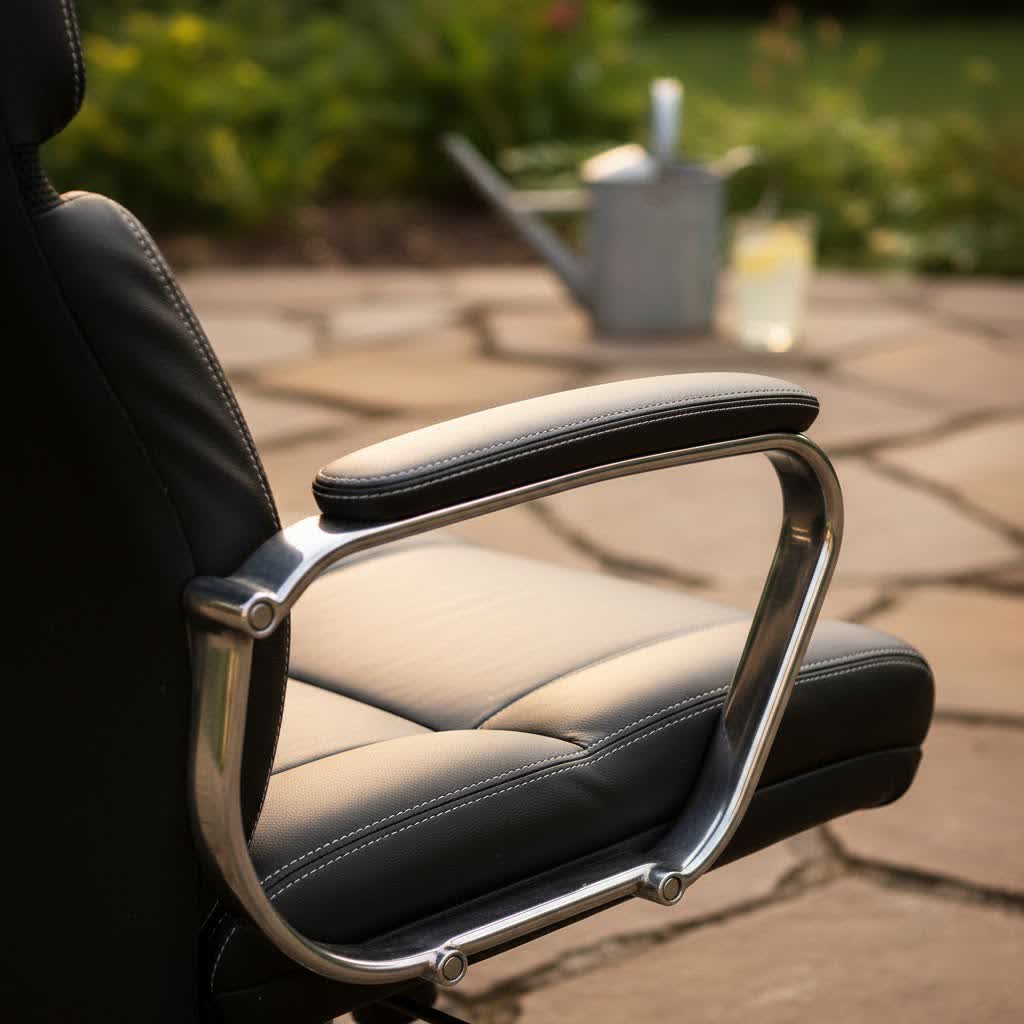
For anyone spending significant time at a desk, an office chair is more than just a piece of furniture—it’s a critical investment in health, productivity, and overall well-being. Among the myriad options available, the high back office chair stands out as a champion of comprehensive support. Designed to cradle your entire spine from the lumbar region to your head, these chairs are engineered to transform your workday experience, mitigating the strain of prolonged sitting and promoting better posture. If you’re tired of aches and discomfort, understanding the unique advantages and features of high back office chairs is your first step toward a more comfortable and productive professional life. This guide will walk you through everything you need to know to make an informed decision and find the perfect high back companion for your workspace.
What Defines a High Back Office Chair?
A high back office chair is characterized by its extended backrest, which typically reaches at least the top of the shoulders and often includes integrated or adjustable head support. Unlike mid-back chairs that usually stop around the shoulder blades, high back models are designed to provide full-body support, encompassing your lower back, mid-back, upper back, neck, and head. This extensive coverage is crucial for maintaining spinal alignment and distributing body weight evenly, especially during long periods of sitting. This design distinction makes high back chairs particularly suited for individuals seeking comprehensive ergonomic benefits and superior comfort. For expert office chair reviews on this site.
The Undeniable Benefits of High Back Office Chairs
Investing in a high back office chair brings a wealth of advantages that directly impact your physical health and professional output.
- Comprehensive Spinal Support: The primary benefit of a high back chair is its ability to offer full-spectrum support. It supports the natural curvature of your spine, from the lumbar region through your thoracic spine (mid-back) and up to your neck and head. This extensive coverage is paramount for maintaining proper spinal alignment and preventing muscle strain.
- Improved Posture and Spinal Alignment: By supporting the entire back, these chairs encourage a healthy, upright sitting posture. They help prevent slouching and ensure your spine maintains its natural S-curve, which is vital for reducing pressure on spinal discs and ligaments. This alignment minimizes strain on your back muscles and promotes overall spinal health.
- Reduced Pain and Discomfort: For many, prolonged sitting leads to an array of discomforts, including lower back pain, neck stiffness, shoulder tension, and even headaches. A well-designed high back office chair, especially one with adjustable lumbar support and a headrest, significantly reduces these issues by providing consistent support where it’s needed most, alleviating pressure points and muscle fatigue.
- Enhanced Comfort and Reduced Fatigue for Prolonged Sitting: High back chairs are specifically designed for extended use, often for six hours or more per day. The ample cushioning and full-back support help reduce fatigue by promoting better blood circulation and preventing pressure on a single point. This allows you to sit comfortably for longer periods without feeling drained.
- Boosted Productivity and Focus: When you’re comfortable and free from pain, your ability to concentrate and be productive soars. By minimizing physical distractions and discomfort, a high back office chair helps you maintain focus on your tasks, leading to better work quality and increased efficiency throughout your workday.
Key Features to Prioritize When Choosing a High Back Office Chair
|
Our Picks for the Best Office Chair in 2026
As an Amazon Associate I earn from qualifying purchases.
|
||
| Num | Product | Action |
|---|---|---|
| 1 | Ergonomic Office Chair with Footrest - Adjustable Lumbar Support & Headrest, 90-160° Reclining Mesh Back Computer Chair - Home Office/Gaming, 350lbs Capacity (SGS Certified) |

|
| 2 | TRALT Office Chair Ergonomic Desk Chair, 330 LBS Home Mesh Office Desk Chairs with Wheels, Comfortable Gaming Chair, High Back Office Chair for Long Hours (Black) |
|
| 3 | Amazon Basics Classic Puresoft PU Padded Mid-Back Height Adjustable Office Computer Desk Chair with Armrest, 26"D x 23.75"W x 42"H, Black |
|
| 4 | TRALT Office Chair Ergonomic Desk Chair, 330 LBS Home Mesh Office Desk Chairs with Wheels, Comfortable Gaming Chair, High Back Office Chair for Long Hours (White) |
|
| 5 | Monhey Desk Computer Chairs - Ergonomic with Lumbar Support & Flip-up Arms Home Office Height Adjustable High Back Rockable Swivel 360° Warm Taupe Mesh Study Chair |
|
| 6 | BestOffice - Ergonomic Office Chair - Mid-Back Swivel Desk Chair - Breathable Backrest & Lumbar Support - Adjustable Height - Sponge Seat - Rolling Wheels - Black - for Adults & Women |
|
| 7 | Amazon Basics Classic Puresoft PU Padded Mid-Back Height Adjustable Office Computer Desk Chair with Armrest, 26"D x 23.75"W x 42"H, Cream |
|
| 8 | Marsail Ergonomic Office Chair: Office Desk Chair with High Back Mesh and Adjustable Lumbar Support Rolling Work Swivel Task Chairs with Wheel 3D Armrests and Headrest |
|
| 9 | Sweetcrispy Office Computer Desk Chair, Ergonomic High-Back Mesh Rolling Work Chairs with Wheels and Adjustable Headrests, Comfortable Lumbar Support, Comfy Flip-up Arms for Home, Bedroom, Study,Black |
|
| 10 | TRALT Office Chair - Ergonomic Desk Chair with Adjustable Lumbar Support, Mesh Computer Chair, Executive Chairs for Home Office Comfortable Lumbar Support (Black) |
|
Selecting the right high back office chair involves scrutinizing several critical features that contribute to its ergonomics, comfort, and durability.
-
Ergonomics & Adjustability: The hallmark of a truly effective office chair is its adjustability, allowing you to customize it to your unique body and preferences.
- Adjustable Lumbar Support: This is essential for preventing lower back pain. Look for chairs with dynamic or adjustable lumbar support that can be repositioned vertically and depth-wise to fit the natural curve of your spine.
- Seat Height and Depth: The seat height should allow your feet to rest flat on the floor with your knees at a 90-degree angle, or slightly lower than your hips. Adjustable seat depth ensures the seat pan supports most of your thighs without pressing against the back of your knees.
- Backrest Recline/Tilt: A good high back chair should offer a reclining or tilting mechanism with a lock function, allowing you to find comfortable angles for different tasks, from upright work to relaxed contemplation. Some models even offer a full 160-degree recline.
- Armrest Adjustments: Adjustable armrests (height, width, pivot, and depth – often called 4D armrests) are crucial for supporting your arms and shoulders, reducing tension in your upper body, and ensuring your elbows are at a comfortable 90-degree angle to your desk.
- Headrest: An adjustable headrest provides vital neck and head support, particularly beneficial for reclining postures or for those prone to neck pain. It should be positioned to support the natural curve of your neck comfortably.
-
Material Quality and Breathability: The materials chosen for your chair impact both comfort and longevity.
- Mesh: Excellent for breathability, preventing heat buildup and making it ideal for warmer climates or long hours.
- Fabric: Offers a comfortable feel and a wide range of aesthetic options, often breathable.
- Leather/Faux Leather: Provides a luxurious look and is generally easy to clean, though it can retain heat more than mesh.
- High-Density Foam Cushioning: Ensures the seat and backrest maintain their shape and support over time, offering superior comfort and durability compared to low-density foams.
- Sturdy Frame: A robust frame, often made from steel or aluminum alloy, is fundamental to the chair’s stability and overall lifespan.
-
Durability and Build Quality: A high back office chair is an investment, so its durability is key.
- Weight Capacity: Ensure the chair can safely support your body weight for optimal performance and longevity.
- Casters/Wheels: Look for smooth-gliding, durable casters that won’t scratch your flooring and move quietly across different surfaces.
- Warranty: A generous warranty period (e.g., 5-12 years) is a strong indicator of the manufacturer’s confidence in the product’s quality and provides peace of mind.
Types of High Back Office Chairs
While all high back chairs share the common trait of an extended backrest, they come in various forms tailored for specific needs and aesthetics.
- Ergonomic High Back Chairs: These are designed with a primary focus on promoting optimal posture and comfort through extensive adjustability. They often feature sophisticated lumbar support systems, multi-directional armrests, and synchro-tilt mechanisms to adapt to the user’s body. Brands like Herman Miller, Steelcase, Sihoo, and Branch excel in this category.
- Executive High Back Chairs: Often crafted from premium materials like genuine leather, these chairs prioritize a luxurious aesthetic and robust, commanding presence. While they usually offer good support, their adjustability might be less granular than dedicated ergonomic chairs, focusing more on a classic, sophisticated look suitable for executive offices.
- Gaming High Back Chairs: Many gaming chairs adopt a high back design to support gamers during long sessions. They typically feature aggressive styling, ample cushioning, and often come with neck and lumbar pillows. Some high-end gaming chairs, like the Secretlab Titan Evo, incorporate advanced ergonomic features, blending aesthetics with functionality.
High Back vs. Mid Back Office Chairs: A Detailed Comparison
Deciding between a high back and a mid back office chair often comes down to individual needs, sitting habits, and workspace dynamics. Here’s a detailed comparison to help clarify the differences:
| Feature | Mid Back Office Chair | High Back Office Chair |
|---|---|---|
| Backrest Height | Supports the mid and upper back (to shoulder blades) | Supports the entire back, including shoulders, neck, and head |
| Head & Neck Support | Generally no dedicated headrest | Often includes a built-in or adjustable headrest |
| Ideal Usage Duration | Best for moderate use (4–6 hours/day) | Designed for extended use (6+ hours/day) or frequent reclining |
| Posture Support | Encourages active, upright posture for short tasks | Promotes relaxed, upright posture and prevents slouching |
| Comfort Level | Comfortable with moderate padding | Offers full-body support and thicker cushioning |
| Size & Footprint | More compact, ideal for smaller spaces | Larger and requires more room |
| Aesthetics & Design | Sleek and minimal | Executive, robust, or luxurious appeal |
| Price Point | Generally less expensive | Tends to be more expensive due to extended features |
Who is each best for? If you frequently move around, need a more compact chair for smaller spaces, or only sit for moderate periods, a mid back chair might suffice. However, for those who spend long hours seated, require comprehensive spinal and neck support, or often recline, a high back office chair is generally the more ergonomic and beneficial choice.
How to Choose the Perfect High Back Office Chair for Your Needs
Navigating the vast market of office chairs can be overwhelming. Follow these steps to make an informed decision:
-
Assess Your Usage and Needs:
- How many hours do you sit per day? For prolonged sitting (6+ hours), a high back ergonomic chair with extensive adjustability is crucial.
- Do you have existing back, neck, or shoulder issues? Look for chairs with superior, adjustable lumbar and neck support.
- What is your body type? Ensure the chair’s dimensions (seat width, depth, backrest height) and weight capacity are appropriate for your physique.
- What is your budget? High-end chairs offer more features and durability, but excellent mid-range options are available.
-
Set a Realistic Budget: Office chairs range widely in price. Determine how much you’re willing to invest, keeping in mind that a good chair is an investment in your health and productivity. Don’t compromise on essential ergonomic features if your work demands long hours of sitting.
-
Research and Read Reviews: Consult reputable review sites, watch video reviews, and read user testimonials. Pay attention to common praises and complaints, especially regarding comfort, durability, and customer service. Look for mentions of trusted brands like Herman Miller, Steelcase, Sihoo, Branch, and Autonomous.
-
Test Before You Buy: If possible, visit a showroom to sit in various chairs. This is invaluable for assessing comfort, trying out adjustment features, and ensuring the chair genuinely fits your body. Spend a few minutes in each prospective chair, adjusting everything.
-
Check Warranty and Return Policies: A robust warranty indicates confidence in product quality. Understand the return policy in case the chair doesn’t meet your expectations after prolonged use.
Popular High Back Office Chair Brands and Models
The market offers a diverse range of high back office chairs, catering to various budgets and preferences:
- Premium/High-End: Brands like Herman Miller (Aeron, Embody) and Steelcase (Leap V2, Gesture) are renowned for their cutting-edge ergonomics, superior build quality, and extensive warranties. While expensive, they are often considered long-term investments in health and comfort.
- Mid-Range Ergonomic: Brands such as Branch (Ergonomic Chair Pro), Autonomous (ErgoChair Pro), and Sihoo (M18) offer excellent ergonomic features and solid build quality at a more accessible price point, providing great value for money.
- Value/Budget Options: Many brands offer high back chairs under $300, focusing on essential comfort and adjustability. While they may not have the same longevity or advanced features as premium models, they can still provide significant improvements over basic chairs for those with tighter budgets.
Tips for Maintaining Your High Back Office Chair
To ensure your high back office chair remains a reliable companion for years, follow these maintenance tips:
- Regular Cleaning: Depending on the material, wipe down surfaces with a damp cloth or vacuum fabric/mesh to remove dust and debris. This keeps your chair looking new and prevents wear from accumulated dirt.
- Correct Adjustment: Periodically re-evaluate your chair’s adjustments to ensure they still match your ergonomic needs. As your body changes or your tasks evolve, optimal settings might shift.
- Taking Breaks: Even with the most ergonomic chair, prolonged static sitting is detrimental. Stand up, stretch, and move around every 30-60 minutes to promote circulation and reduce muscle fatigue.
- Periodic Inspections: Routinely check screws, casters, and moving parts to ensure they are secure and functioning correctly. Lubricate moving components if they become stiff or squeaky.
Conclusion
Choosing the right high back office chair is a significant decision that profoundly impacts your daily comfort, health, and productivity. With its superior support for your entire back, neck, and head, a high back office chair is an indispensable tool for anyone spending extended hours at their desk. By prioritizing ergonomic features, quality materials, and durability, you’re not just buying a chair; you’re making a valuable investment in your physical well-being and professional success. Take the time to assess your needs, explore the options, and find the high back chair that truly supports you. Your body and your work will thank you for it.
What aspect of your current office chair do you wish a high back model could improve the most?
Frequently Asked Questions
Are high back ergonomic chairs truly better for your health?
Yes, high back ergonomic chairs are generally considered better for your health, especially for individuals who sit for long periods. They provide comprehensive support from the lower back to the head, promoting proper spinal alignment, reducing strain on muscles, and significantly minimizing the risk of back pain, neck stiffness, and other musculoskeletal issues associated with prolonged sitting.
Should I choose a high back chair made of leather or mesh?
The choice between leather and mesh depends on your preferences and environment. Mesh chairs offer superior breathability, making them ideal for warmer climates or if you tend to run hot, as they prevent heat buildup. Leather chairs, on the other hand, provide a luxurious feel and are often easier to clean, but may retain more heat. Both can offer excellent support depending on the chair’s design and ergonomic features.
What is a reasonable price for a good high back office chair?
A reasonable price for a good high back office chair can vary widely based on features, materials, and brand, typically ranging from $200 to over $1,000. While basic models might be found for under $300, higher quality ergonomic chairs with extensive adjustability and durable materials usually fall in the $400-$800 range. Premium brands with advanced engineering and extended warranties can cost $1,000 or more, often viewed as a long-term health investment.
Get our weekly buyer guide
Practical specs, not advice. Unsubscribe anytime.
