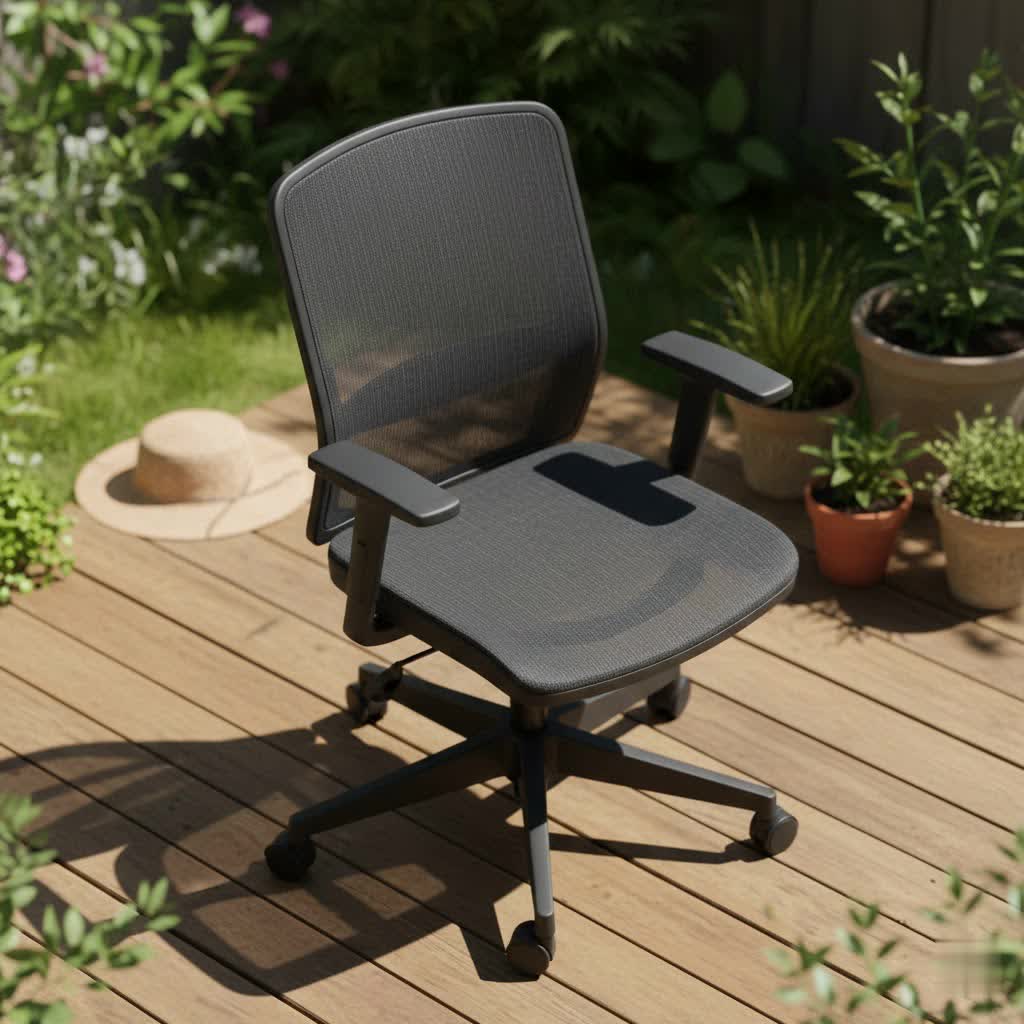
Finding the perfect office chair can be a daunting task, especially when standard models just don’t measure up. For taller individuals or those working at elevated desks, the challenge is even greater. An ill-fitting chair can lead to discomfort, poor posture, and decreased productivity, turning your workday into a constant battle against aches and strains. This comprehensive guide will navigate you through the world of high office chairs, providing expert insights to help you select a chair that perfectly supports your unique needs, enhances your well-being, and boosts your efficiency.
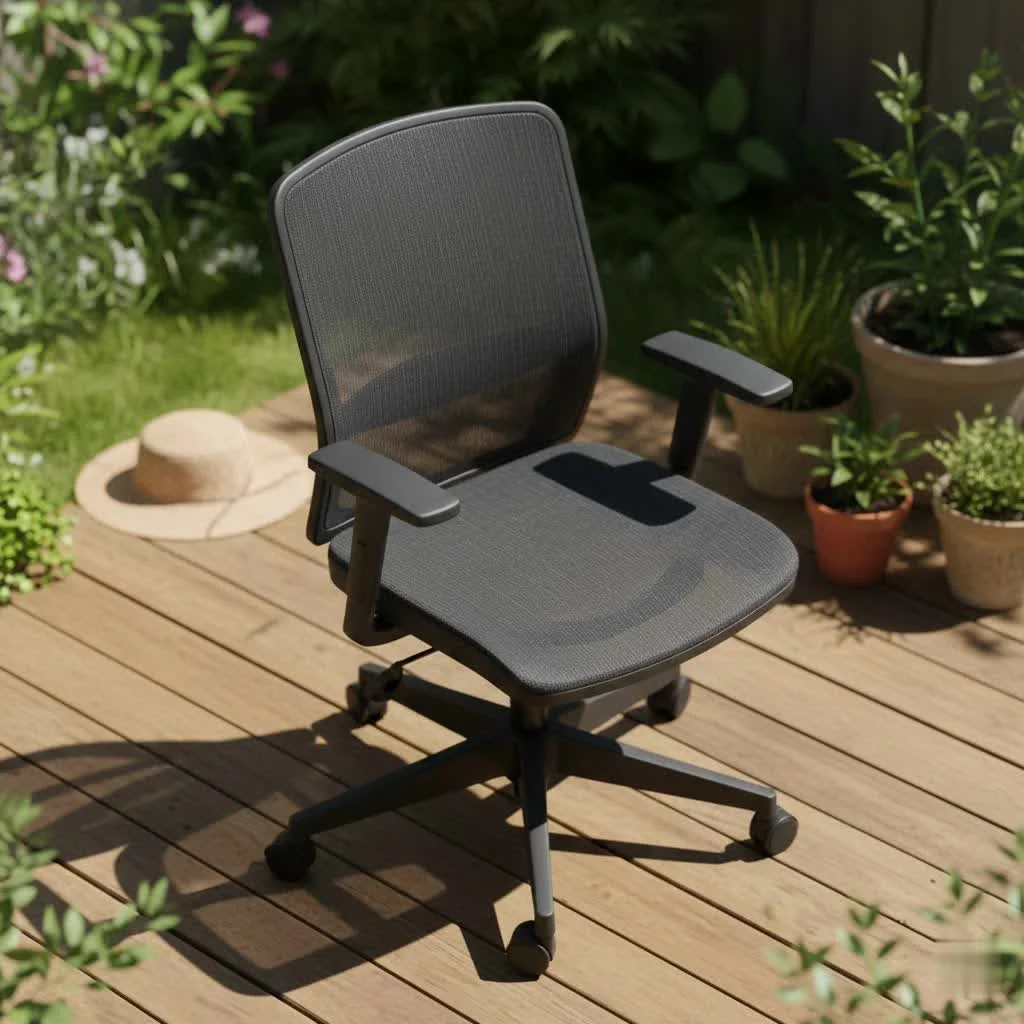
Understanding the Spectrum of High Office Chairs
When the term “high office chair” comes to mind, it encompasses more than just a taller version of a standard seat. It refers to specialized designs crafted to meet specific ergonomic requirements, whether for an individual with a taller physique or for a workspace with an elevated desk. For best office chair roundups on this site.
- Ergonomic Office Chairs for Tall Users: These chairs are engineered with extended dimensions to provide comprehensive support for individuals who find standard chairs too small. They typically feature higher backrests, deeper seats, and a greater range of seat height adjustment, ensuring that taller users can maintain optimal posture and comfort throughout their workday.
- Big & Tall Office Chairs: Designed to accommodate both taller and heavier users, these chairs combine generous dimensions with robust construction. They boast higher weight capacities, wider and deeper seats, and reinforced frames to ensure stability and durability for larger body types, without compromising on ergonomic support.
- Drafting Chairs: Distinctly different from typical office chairs, drafting chairs are specifically designed for elevated workstations, such as standing desks, drafting tables, or counter-height surfaces. Their defining characteristic is an exceptionally high seat height range, often accompanied by a footring to provide proper leg support when working at considerable heights. These chairs enable seamless transitions between sitting and standing, making them ideal for dynamic work environments.
- High-Back Executive Chairs: While not exclusively “high” in terms of adjustable seat height, many executive chairs fall into this category due to their imposing, tall backrests. These provide extensive upper body and head support, often prioritizing a commanding aesthetic alongside comfort.
Essential Factors When Choosing a High Office Chair
Selecting the right high office chair involves a meticulous evaluation of several key features. Your choice should align with your body type, work environment, and specific ergonomic needs to deliver maximum benefits.
-
Comfort and Support: A chair’s primary function is to support your body effectively.
- Backrest: A tall backrest is crucial, ideally extending to support your upper back and shoulders. Look for adjustable lumbar support that can be positioned to cradle the natural curve of your lower spine, promoting healthy spinal alignment and preventing slouching.
- Seat: The seat pan should be deep and wide enough to support your thighs fully, leaving a small gap between the edge and the back of your knees to prevent pressure and ensure healthy circulation. High-density foam cushioning with a waterfall edge design is often preferred for sustained comfort and pressure distribution.
- Armrests: Adjustable armrests are vital for shoulder and wrist relief. Seek armrests that can be adjusted in height, width, and even pivot to support your arms comfortably, whether typing or relaxing.
- Headrest: For those with neck or shoulder pain, an adjustable headrest provides essential support, allowing you to recline and rest your neck, especially beneficial for individuals over 6 feet tall.
-
Material: The material choice impacts breathability, aesthetics, and maintenance.
- Mesh: Excellent for breathability, mesh chairs promote airflow, keeping you cool and comfortable during long work sessions, especially in warmer climates.
- Leather/PU Leather: Offers a luxurious feel and is generally easy to clean, providing a sophisticated aesthetic.
- Fabric: Available in a wide range of colors and textures, fabric chairs can be comfortable and offer a softer touch, though they may require more diligent cleaning.
-
Adjustability: A truly high-performing office chair offers a broad spectrum of adjustments to customize the fit to your unique body.
- Seat Height: This is paramount for high office chairs. For tall individuals, look for a pneumatic lift that allows the seat to adjust from approximately 18 to 22 inches. For drafting chairs, the range should be significantly higher, typically between 24 and 36 inches, with some extending to 40 inches, paired with a footring.
- Tilt and Recline: A quality tilt mechanism with tension control and lockable positions allows you to recline comfortably, reducing pressure on your spine and promoting dynamic sitting. Synchronized tilt mechanisms ensure the seat and back move harmoniously.
- Seat Depth: Adjustable seat depth ensures that your thighs are properly supported without cutting off circulation behind your knees.
-
Durability and Lifespan: An investment in a high office chair should guarantee longevity and reliability.
- Frame: Look for robust materials such as reinforced steel or heavy-duty aluminum alloy for the frame and base.
- Weight Capacity: High office chairs, especially “Big & Tall” models, should have a higher weight capacity, typically ranging from 300 lbs to 500 lbs, to ensure stability and safety.
- Casters: Smooth-rolling, durable casters are essential for easy mobility without damaging your flooring.
- Gas Lift: A Class 4 gas lift is a benchmark for quality and durability, ensuring smooth and consistent height adjustments.
-
Size and Style: Beyond ergonomics, the chair should aesthetically complement your workspace and physically fit into your environment without overwhelming it. Consider the overall dimensions to ensure it harmonizes with your office decor and layout.
Comparing High Office Chair Types
|
Our Picks for the Best Office Chair in 2026
As an Amazon Associate I earn from qualifying purchases.
|
||
| Num | Product | Action |
|---|---|---|
| 1 | TRALT Office Chair - Ergonomic Desk Chair with Adjustable Lumbar Support, Mesh Computer Chair, Executive Chairs for Home Office Comfortable Lumbar Support (Black) |

|
| 2 | Monhey Desk Computer Chairs - Ergonomic with Lumbar Support & Flip-up Arms Home Office Height Adjustable High Back Rockable Swivel 360° Warm Taupe Mesh Study Chair |
|
| 3 | Amazon Basics Classic Puresoft PU Padded Mid-Back Height Adjustable Office Computer Desk Chair with Armrest, 26"D x 23.75"W x 42"H, Black |
|
| 4 | TRALT Office Chair Ergonomic Desk Chair, 330 LBS Home Mesh Office Desk Chairs with Wheels, Comfortable Gaming Chair, High Back Office Chair for Long Hours (White) |
|
| 5 | Sweetcrispy Office Computer Desk Chair, Ergonomic High-Back Mesh Rolling Work Chairs with Wheels and Adjustable Headrests, Comfortable Lumbar Support, Comfy Flip-up Arms for Home, Bedroom, Study,Black |
|
| 6 | Ergonomic Office Chair with Footrest - Adjustable Lumbar Support & Headrest, 90-160° Reclining Mesh Back Computer Chair - Home Office/Gaming, 350lbs Capacity (SGS Certified) |
|
| 7 | TRALT Office Chair Ergonomic Desk Chair, 330 LBS Home Mesh Office Desk Chairs with Wheels, Comfortable Gaming Chair, High Back Office Chair for Long Hours (Black) |
|
| 8 | Marsail Ergonomic Office Chair: Office Desk Chair with High Back Mesh and Adjustable Lumbar Support Rolling Work Swivel Task Chairs with Wheel 3D Armrests and Headrest |
|
| 9 | BestOffice - Ergonomic Office Chair - Mid-Back Swivel Desk Chair - Breathable Backrest & Lumbar Support - Adjustable Height - Sponge Seat - Rolling Wheels - Black - for Adults & Women |
|
| 10 | Amazon Basics Classic Puresoft PU Padded Mid-Back Height Adjustable Office Computer Desk Chair with Armrest, 26"D x 23.75"W x 42"H, Cream |
|
| Chair Type | Ideal User/Use | Key Advantages | Considerations |
|---|---|---|---|
| Ergonomic (for Tall) | Tall individuals, long hours of seated work | Comprehensive adjustability, excellent posture support, comfort | Can be a higher initial investment |
| Big & Tall | Taller and heavier users, requiring robust support | High weight capacity, wide and deep seating, enhanced durability | Can be bulky, may not suit smaller spaces |
| Drafting Chair | Elevated workstations, standing desks, artists | Extended height range, often includes a footring, promotes sit-stand transitions | Less conventional back support in some models, can feel “high” |
| High-Back Executive | Professionals seeking aesthetic and upper body support | Luxurious feel, extensive upper back and head support, commanding presence | May lack fine-tuned ergonomic adjustability for all body types |
Your Comprehensive High Office Chair Buying Guide
Investing in a high office chair is a decision that impacts your health and productivity for years to come. Follow these steps to make an informed choice.
-
1. Identify Your Specific Needs:
- How many hours do you sit daily? For prolonged sitting (6+ hours), maximum adjustability and ergonomic features are critical.
- Do you have existing back or spinal issues? Prioritize advanced lumbar support, adjustable backrests, and seat depth.
- What is your budget? High-end chairs offer superior adjustability and durability but can be costly. Determine a realistic price range.
- What is your desk height? A standard desk requires a different chair height range than a standing desk or drafting table. Measure your desk to ensure compatibility.
-
2. Research Product Information Thoroughly:
- Read reviews and comparisons: Look for user experiences from individuals with similar body types and needs.
- Watch video reviews: Visual demonstrations of features and adjustability can be incredibly helpful.
- Consult expert opinions: Seek advice from ergonomists or furniture specialists.
-
3. Experience In-Store (If Possible):
- Sit-test the chair: This is crucial. Adjust all possible settings to replicate your typical sitting posture.
- Check adjustability: Ensure all mechanisms operate smoothly and provide the range you need.
- Inspect quality: Examine the materials, stitching, and overall construction for durability.
-
4. Choose Reputable Retailers:
- Warranty: A strong warranty (e.g., 5-10 years) indicates manufacturer confidence in their product.
- Return Policy: A flexible return policy allows for peace of mind in case the chair doesn’t meet your expectations after extended use.
- Customer Support: Accessible and helpful customer service can be invaluable for assembly, adjustments, or troubleshooting.
Leading Brands in High Office Chairs
The market offers several reputable brands known for their high-quality office chairs catering to diverse needs, including tall and big users, and those seeking elevated seating solutions. Some prominent names include:
- Herman Miller
- Steelcase
- Humanscale
- Secretlab
- Sihoo
- Logicfox
- Boulies
- OFM
- Knoll
These brands consistently deliver chairs with robust construction, ergonomic features, and extensive adjustability, making them reliable choices for those seeking a high office chair.
Tips for Using and Maintaining Your High Office Chair
To maximize the lifespan and benefits of your high office chair, proper usage and maintenance are essential.
- Regular Cleaning: Depending on the material, regularly wipe down surfaces, vacuum fabric, or clean leather to keep your chair looking new and hygienic.
- Adjust for Correct Posture: Periodically re-adjust your chair settings to ensure you maintain an ergonomic posture throughout the day. Your feet should be flat on the floor (or footring), knees at a 90-degree angle, and back fully supported.
- Avoid Prolonged Static Sitting: Even with the best ergonomic chair, regular movement is vital. Take short breaks to stretch or stand up every hour to improve circulation and reduce muscle fatigue.
- Inspect and Maintain Periodically: Check screws, casters, and adjustment mechanisms regularly. Lubricate moving parts if needed and tighten any loose fasteners to ensure stability and smooth operation.
“A well-chosen high office chair isn’t just furniture; it’s an indispensable tool that champions your health, sharpens your focus, and sustains your energy for every task.”
Conclusion
Navigating the vast array of office chairs to find one that truly fits a taller stature or an elevated workspace can be a complex journey. However, by understanding the distinct types of high office chairs, recognizing the critical ergonomic features, and following a strategic buying process, you can make an empowered decision. Investing in a high office chair tailored to your body’s unique requirements is an investment in your long-term health, comfort, and professional productivity. It allows you to transform your workspace into an environment where your body is supported, and your mind is free to focus on what truly matters.
What aspects of your current office chair do you find most challenging, and how do you envision a high office chair addressing those issues?
Frequently Asked Questions
Are ergonomic high office chairs truly beneficial for health?
Yes, ergonomic high office chairs are highly beneficial for health, particularly for tall individuals. They provide tailored support for the spine, neck, and shoulders, helping to maintain proper posture, reduce the risk of back pain and muscle strain, and improve circulation during long hours of sitting.
Should I choose a leather or mesh high office chair?
The choice between leather and mesh depends on your priorities. Mesh chairs offer superior breathability, making them ideal for warmer environments or users who tend to overheat. Leather chairs, conversely, provide a more luxurious aesthetic and are generally easier to clean, though they might retain heat more.
What is a reasonable price for a good high office chair?
The price of a good high office chair can vary significantly based on brand, features, and materials. Entry-level ergonomic options for tall users might start around $200-$400, while premium models from renowned brands with extensive adjustability and durability can range from $800 to over $2000.
What is the difference between a high office chair and a drafting chair?
A high office chair generally refers to models designed for taller users at standard desk heights, focusing on extended backrests and deeper seats. A drafting chair, however, is specifically engineered for elevated workstations like standing desks, featuring an even greater seat height range (24-40 inches) and often a footring for support.
What seat height should I look for in a high office chair?
For tall individuals using a standard desk, look for a high office chair with a seat height that can adjust to at least 18-22 inches, allowing your feet to be flat on the floor with knees at a 90-degree angle. For elevated desks, a drafting chair with a seat height range of 24-36 inches (or more) is necessary.
Get our weekly buyer guide
Practical specs, not advice. Unsubscribe anytime.
