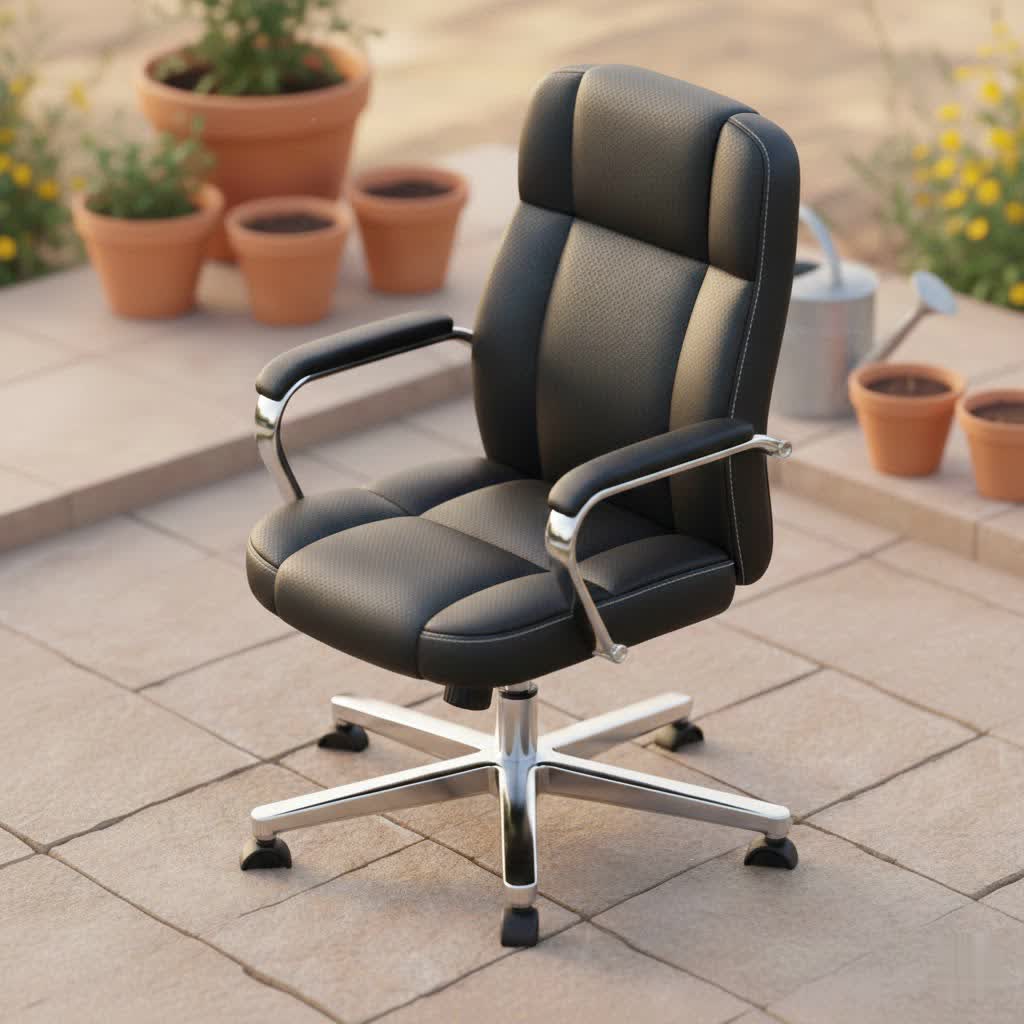
Are you seeking to infuse your office with timeless style without sacrificing comfort and functionality? The mid-century modern aesthetic, characterized by its clean lines, organic curves, and sophisticated simplicity, offers a compelling solution. However, finding a mid-century modern office chair that truly supports long hours of work can be a challenge. This comprehensive guide will navigate the world of mid-century modern office chairs, helping you understand their unique characteristics, evaluate crucial features, and select a piece that blends iconic design with modern ergonomic needs, transforming your workspace into a haven of both style and productivity.
Popular Mid-Century Modern Office Chair Styles
Mid-century modern office chairs come in various forms, each offering a distinct visual appeal while attempting to marry form with function. Understanding these styles is the first step in finding the perfect chair to complement your workspace.
Bent Plywood Chairs
Often featuring graceful, molded plywood shells, these chairs exemplify the mid-century modern love for organic forms and innovative manufacturing. They typically offer a firm yet supportive seat and back, often upholstered in fabric or faux leather for added comfort. Their simple, sculptural shapes make them versatile for various interior designs.
Executive High-Back Chairs
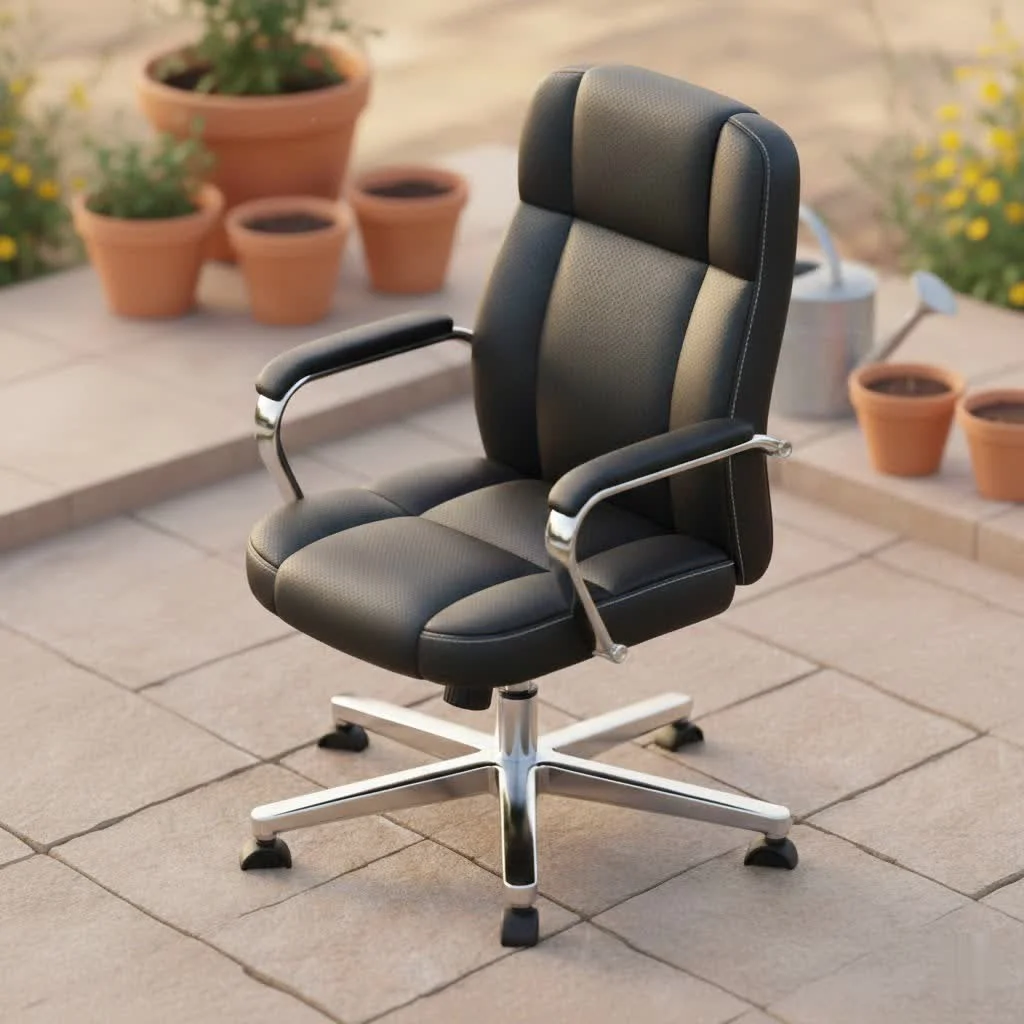
These chairs bring a sense of gravitas and sophistication, often featuring generous proportions and luxurious upholstery like genuine or faux leather. While maintaining the era’s minimalist spirit, they often incorporate subtle curves and robust frames, making them a statement piece that speaks to both comfort and authority.
Aluminum Group Chairs
Iconic for their sleek, lightweight aluminum frames and suspended seating, these chairs are a hallmark of mid-century industrial design. Available in various upholstery options, they offer a refined, minimalist look that emphasizes both aesthetic purity and a unique seating experience, often with a slight recline.
Task and Swivel Chairs
Designed for practicality, these chairs integrate mid-century aesthetics with essential office chair functionalities like 360-degree swivel and height adjustment. They often feature simpler profiles, sometimes with molded plastic shells or lightly padded seats, making them ideal for active workstations where movement is key.
Lounge-Inspired Office Chairs
Some mid-century modern office chairs draw heavily from lounge chair designs, adapted for the office. These might feature broader seats, more relaxed angles, and distinct armrests, offering a more casual yet stylish seating option for less intensive desk work or collaborative areas.
Essential Factors for Choosing a Mid-Century Modern Office Chair
Selecting the ideal mid-century modern office chair requires careful consideration of several factors beyond just aesthetics. Prioritizing comfort, adjustability, and durability ensures your investment supports both your style and your well-being.
Comfort and Support: Beyond the Aesthetics
|
Our Picks for the Best Office Chair in 2026
As an Amazon Associate I earn from qualifying purchases.
|
||
| Num | Product | Action |
|---|---|---|
| 1 | BestOffice - Ergonomic Office Chair - Mid-Back Swivel Desk Chair - Breathable Backrest & Lumbar Support - Adjustable Height - Sponge Seat - Rolling Wheels - Black - for Adults & Women |

|
| 2 | Amazon Basics Classic Puresoft PU Padded Mid-Back Height Adjustable Office Computer Desk Chair with Armrest, 26"D x 23.75"W x 42"H, Cream |
|
| 3 | Marsail Ergonomic Office Chair: Office Desk Chair with High Back Mesh and Adjustable Lumbar Support Rolling Work Swivel Task Chairs with Wheel 3D Armrests and Headrest |
|
| 4 | Ergonomic Office Chair with Footrest - Adjustable Lumbar Support & Headrest, 90-160° Reclining Mesh Back Computer Chair - Home Office/Gaming, 350lbs Capacity (SGS Certified) |
|
| 5 | TRALT Office Chair - Ergonomic Desk Chair with Adjustable Lumbar Support, Mesh Computer Chair, Executive Chairs for Home Office Comfortable Lumbar Support (Black) |
|
| 6 | TRALT Office Chair Ergonomic Desk Chair, 330 LBS Home Mesh Office Desk Chairs with Wheels, Comfortable Gaming Chair, High Back Office Chair for Long Hours (White) |
|
| 7 | TRALT Office Chair Ergonomic Desk Chair, 330 LBS Home Mesh Office Desk Chairs with Wheels, Comfortable Gaming Chair, High Back Office Chair for Long Hours (Black) |
|
| 8 | Monhey Desk Computer Chairs - Ergonomic with Lumbar Support & Flip-up Arms Home Office Height Adjustable High Back Rockable Swivel 360° Warm Taupe Mesh Study Chair |
|
| 9 | Sweetcrispy Office Computer Desk Chair, Ergonomic High-Back Mesh Rolling Work Chairs with Wheels and Adjustable Headrests, Comfortable Lumbar Support, Comfy Flip-up Arms for Home, Bedroom, Study,Black |
|
| 10 | Amazon Basics Classic Puresoft PU Padded Mid-Back Height Adjustable Office Computer Desk Chair with Armrest, 26"D x 23.75"W x 42"H, Black |
|
While mid-century modern chairs are renowned for their visual appeal, true comfort is paramount for productivity. Look for models that offer adequate back support, ideally with a contoured shape that cradles the spine naturally. The seat cushioning should be firm enough to provide support without being overly rigid, ensuring comfort even during extended periods of sitting. Some chairs, while appearing minimalistic, cleverly incorporate ergonomic considerations into their design, such as a slight recline or supportive side sections.
Material Quality: Durability Meets Design
The choice of material significantly impacts both the chair’s aesthetic and its longevity.
- Faux Leather: Offers a luxurious look and is often easier to clean and maintain than genuine leather, making it a popular choice for durability and style.
- Genuine Leather: Provides unparalleled sophistication, softness, and develops a rich patina over time, though it typically comes at a higher price point and requires more specific care.
- Fabric: Offers a broader range of colors and textures, contributing to a warmer feel, and can be more breathable than leather options.
- Bent Plywood & Wood Veneers: These materials are central to the mid-century aesthetic, providing a sturdy, sculptural element, often paired with upholstered sections for comfort.
- Metal (Chrome, Aluminum): Used for bases, frames, and armrests, metal adds an industrial touch characteristic of the era and ensures robust stability.
Adjustability: Tailoring the Chair to Your Needs
True ergonomic value often lies in a chair’s adjustability. While some classic mid-century designs are more fixed, modern interpretations often include vital adjustable features:
- Seat Height: Crucial for maintaining proper posture, allowing your feet to rest flat on the floor and thighs to be parallel to the ground.
- Tilt Mechanism: Enables you to recline the backrest and often lock it into various positions, promoting dynamic sitting and reducing static load on your spine.
- Swivel: A 360-degree swivel allows for easy movement and access to different areas of your desk without straining.
- Armrests: Adjustable armrests, which can be modified in height or even width, help support your arms and shoulders, alleviating strain. Some mid-century designs feature fixed, padded armrests that still offer comfort.
Durability and Longevity: An Investment in Your Workspace
A mid-century modern office chair is an investment, and its durability should match its timeless design.
- Frame Construction: Look for sturdy materials like steel, aluminum, or robust hardwood for the frame and base.
- Casters/Wheels: High-quality casters should glide smoothly without scratching floors and be built to withstand daily use.
- Weight Capacity: Ensure the chair’s weight capacity meets your needs for safety and long-term performance.
- Upholstery: Durable upholstery materials like high-quality faux leather or tightly woven fabrics will resist wear and tear over time.
Size and Style Integration: Harmonizing with Your Decor
Consider the chair’s dimensions in relation to your desk and office space. A high-back executive chair might overwhelm a small area, while a more compact task chair could fit perfectly. The chair’s aesthetic should also harmonize with your existing mid-century modern decor, or serve as a striking focal point in a more eclectic space. Pay attention to details like wood finishes, metal tones, and upholstery colors to ensure a cohesive look.
Top Mid-Century Modern Office Chair Features
| Feature Category | Key Aspects | Benefit | Considerations |
|---|---|---|---|
| Ergonomics | Contoured Backrest, Lumbar Support | Promotes healthy posture, reduces back pain. | Often subtle in MCM; look for integrated shaping. |
| Adjustability | Seat Height, Tilt Lock, Swivel, Armrests | Customizes fit, enhances comfort, supports dynamic movement. | Some fixed designs prioritize aesthetics over full adjustability. |
| Materials | Faux/Genuine Leather, Bent Plywood, Metal | Offers durability, luxurious feel, authentic MCM aesthetic. | Maintenance, breathability, price point variations. |
| Mobility | Smooth-Rolling Casters, 360-Degree Swivel | Easy movement around the workspace. | Verify caster quality and floor compatibility. |
| Design Elements | Clean Lines, Organic Curves, Industrial Accents | Defines the timeless mid-century modern aesthetic. | Ensure it complements your existing decor. |
How to Buy the Perfect Mid-Century Modern Office Chair
The journey to finding your ideal mid-century modern office chair involves thoughtful planning and exploration. Here’s a step-by-step guide to ensure you make an informed decision.
1. Define Your Needs and Workspace
Start by assessing how many hours you typically spend in your office chair daily. Are you primarily doing focused desk work, or do you need a more relaxed option for creative tasks or occasional use? Consider any existing back or posture issues that might require specific ergonomic features. Lastly, establish a realistic budget, as mid-century modern chairs can range widely in price depending on materials and brand authenticity.
2. Research and Compare Products
Dive into online reviews and product comparisons. Look for articles and videos that specifically review mid-century modern office chairs, paying attention to feedback on comfort for long hours, durability, and the quality of materials. Identify reputable retailers or brands known for their quality reproductions or original designs. Keep an eye out for mentions of specific features like lumbar support, adjustability, and the type of casters.
3. Experience In-Person if Possible
If feasible, visit furniture showrooms that carry mid-century modern office chairs. Sitting in the chair is invaluable. Pay attention to:
- Seat Comfort: Does it feel too hard, too soft, or just right?
- Back Support: Does the backrest contour to your spine?
- Adjustability: Can you easily operate the height and tilt mechanisms? Do the armrests feel supportive at your desired height?
- Materials: Touch and feel the upholstery and frame to assess quality.
- Movement: Test the swivel and casters to ensure smooth operation.
4. Choose Reputable Retailers
Purchase your chair from stores or brands that offer clear warranty policies, good customer service, and a reasonable return or exchange process. This provides peace of mind and ensures support if any issues arise after purchase. Look for retailers specializing in mid-century modern reproductions or authentic pieces to guarantee quality and design accuracy.
Renowned Brands for Mid-Century Modern Office Chairs
While original designs from the mid-century era by designers like Charles and Ray Eames or Eero Saarinen are highly coveted, many contemporary brands offer excellent reproductions and inspired designs that capture the essence of the style. Look for names known for their commitment to quality materials and faithful aesthetics. Brands like Herman Miller (for authentic Eames pieces), West Elm, and Autonomous often feature chairs that blend period-specific design with modern functionality. Many smaller, specialized retailers also offer high-quality options that meticulously recreate iconic designs.
Tips for Using and Maintaining Your Mid-Century Modern Office Chair
To ensure your mid-century modern office chair remains a beautiful and functional centerpiece of your workspace for years to come, proper usage and maintenance are key.
- Regular Cleaning: Depending on the material, wipe down your chair regularly. For leather and faux leather, use a damp cloth and mild cleanser. Fabric chairs may require vacuuming and spot cleaning with appropriate upholstery cleaners. Always test cleaning products on an inconspicuous area first.
- Correct Posture: Even the best chair needs to be used correctly. Adjust your chair height so your feet are flat on the floor (or a footrest), and your knees are at a 90-degree angle. Ensure your back is supported by the chair’s contours, and your arms rest comfortably on the armrests, keeping your elbows at roughly 90 degrees.
- Take Breaks: No chair, however ergonomic, is designed for continuous, uninterrupted sitting. Take short breaks every hour to stand, stretch, and move around, promoting circulation and reducing muscle stiffness.
- Periodic Inspection: Regularly check the chair’s moving parts, such as casters, gas lift, and tilt mechanism, for any signs of wear or looseness. Tighten screws as needed and lubricate moving parts if they start to creak. This preventative maintenance can significantly extend the chair’s lifespan.
“A well-chosen mid-century modern office chair is more than just furniture; it’s an investment in your daily comfort, productivity, and the enduring style of your professional space.”
Conclusion
Choosing the right mid-century modern office chair means striking a harmonious balance between iconic design and essential ergonomic support. By understanding the diverse styles, evaluating critical factors like comfort, material, and adjustability, and researching reputable brands, you can confidently select a chair that not only elevates your workspace aesthetically but also fosters your well-being and productivity. This investment in a thoughtfully designed chair allows you to enjoy the timeless elegance of the mid-century era while benefiting from the functionality required for today’s dynamic work environment.
What mid-century modern elements are you most excited to incorporate into your office?
Frequently Asked Questions
Are mid-century modern office chairs truly ergonomic for long work hours?
While some original mid-century modern designs prioritized aesthetics, many contemporary reproductions and inspired chairs now integrate essential ergonomic features like adjustable height, tilt mechanisms, and improved lumbar support, making them suitable for prolonged use. It’s crucial to look for these specific features when buying.
Should I choose a mid-century modern office chair made of leather or fabric?
The choice depends on your priorities. Leather (genuine or faux) offers a sleek, sophisticated, and easy-to-clean surface, ideal for a refined look. Fabric options provide more breathability, a wider range of colors, and often a softer feel, which can be preferable in warmer climates or for a cozier aesthetic.
What is the typical price range for a good quality mid-century modern office chair?
Prices vary significantly based on material quality, brand, and design authenticity. Entry-level options can start from a few hundred dollars, while high-quality reproductions or chairs from premium brands can range from $500 to well over $1,500. Authentic vintage pieces or licensed re-editions by original manufacturers will be at the higher end of the spectrum.
Get our weekly buyer guide
Practical specs, not advice. Unsubscribe anytime.
