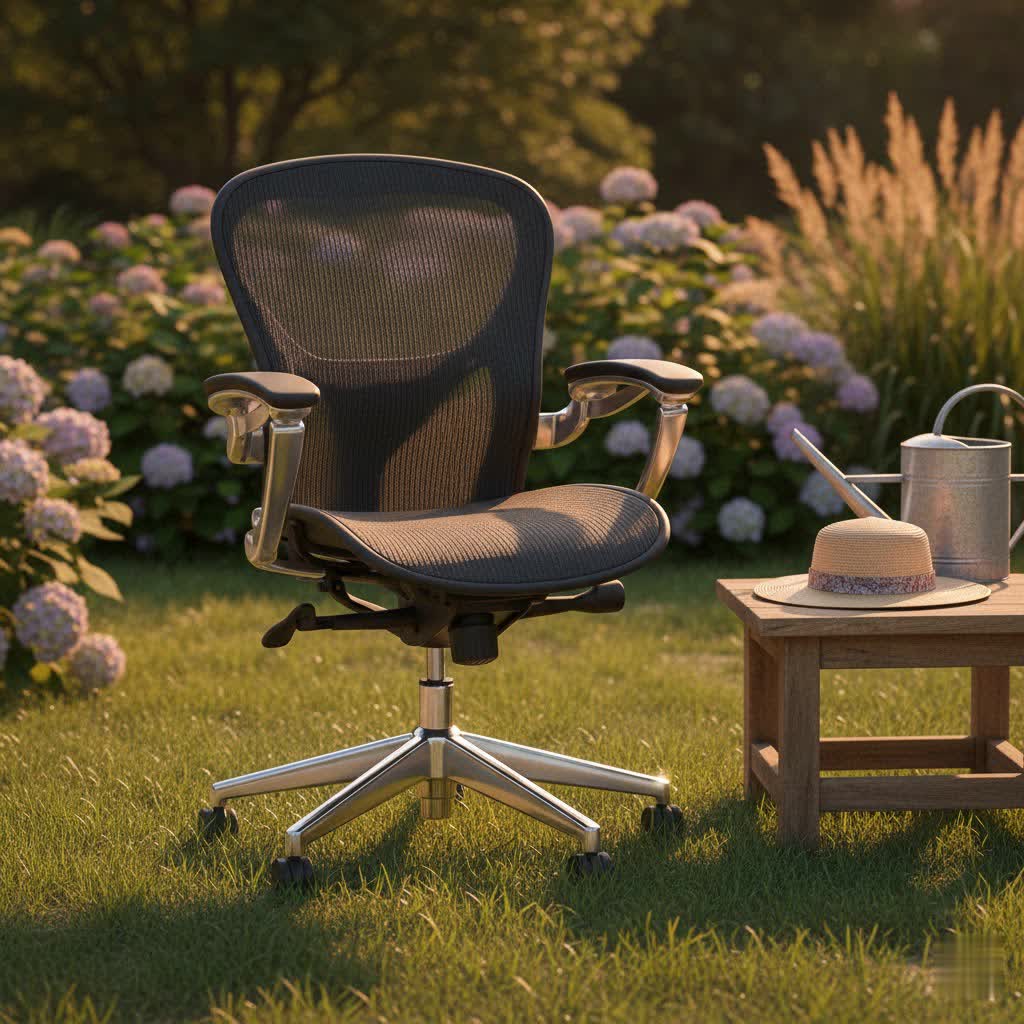
Finding the perfect office chair can be a daunting task for anyone, but it becomes even more critical when you have a heavier build. A standard office chair often falls short, leading to discomfort, poor posture, and premature wear and tear. This comprehensive guide is designed to help you navigate the options, understand the essential features, and confidently select an office chair that provides unparalleled comfort, robust support, and lasting durability for heavy individuals.
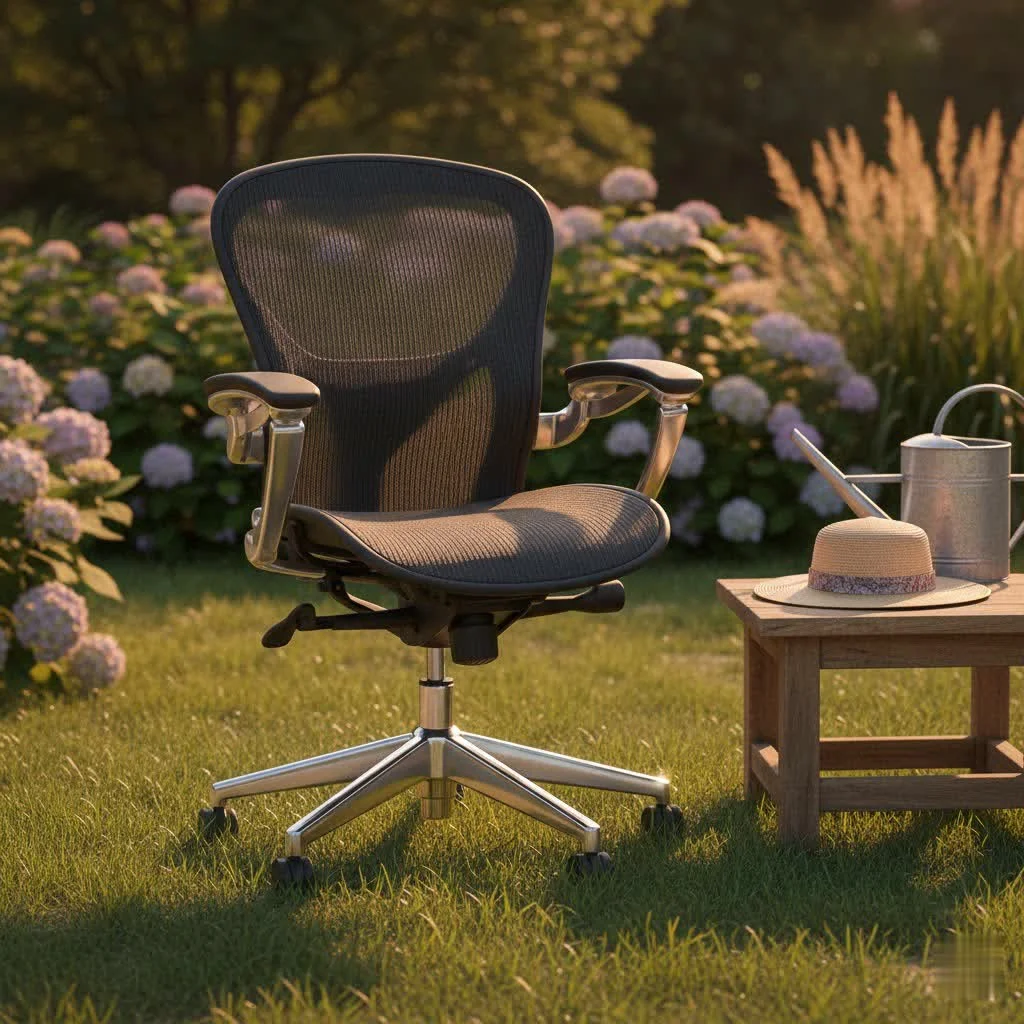
Types of Office Chairs for Heavier Individuals
While many general office chair types exist, specific categories and enhanced versions are best suited for heavier users. Understanding these distinctions is the first step toward making an informed choice. For see our office chair recommendations on this site.
- Big and Tall Office Chairs: This is the most common classification. These chairs are specifically engineered with higher weight capacities, wider seats, and taller backrests to accommodate larger frames. They often feature reinforced components and enhanced adjustability.
- Heavy-Duty Office Chairs: Similar to “big and tall,” this term emphasizes the robust construction designed for prolonged use and higher weight limits, often exceeding 300 pounds. They prioritize durability and structural integrity.
- Ergonomic Office Chairs (Heavy-Duty Versions): Ergonomic design is paramount for preventing strain and promoting health. Heavy-duty ergonomic chairs combine the enhanced support and adjustability of ergonomic models with the reinforced construction needed for heavier users.
- Executive Chairs: Many executive chairs, particularly high-end models, are built with substantial frames and generous padding, making them suitable for heavier individuals who also seek a more luxurious aesthetic.
- Bariatric Chairs: For individuals requiring exceptionally high weight capacities (e.g., 500 pounds and above, sometimes up to 800 pounds), bariatric chairs are purpose-built. These chairs are engineered for maximum strength and support, often featuring extra-wide seats and reinforced bases.
Essential Factors When Selecting an Office Chair for Heavy Individuals
Choosing the right chair means looking beyond basic aesthetics and focusing on the underlying engineering and features. Here are the critical elements to consider for optimal support and longevity.
Comfort and Support
The foundation of a good office chair lies in its ability to provide exceptional comfort and support, especially for extended periods. For heavier individuals, these elements are non-negotiable to prevent discomfort and promote spinal health.
- Backrest: Look for a high backrest that fully supports your entire spine, from the lumbar region up to your shoulders. Lumbar support should be adjustable, allowing you to customize its depth and height to match the natural curve of your lower back.
- Seat Cushion: The seat needs to be generously padded with high-density foam that won’t compress or flatten quickly. It should be wide and deep enough to comfortably support your thighs without edges pressing into the back of your knees, ensuring good circulation.
- Armrests: Adjustable armrests are crucial. They should allow you to support your arms at a comfortable height, taking the strain off your shoulders and neck. Look for armrests that can be adjusted in height, depth (forward/backward), and pivot (in/out) to find your ideal position.
Materials
|
Our Picks for the Best Office Chair in 2026
As an Amazon Associate I earn from qualifying purchases.
|
||
| Num | Product | Action |
|---|---|---|
| 1 | TRALT Office Chair - Ergonomic Desk Chair with Adjustable Lumbar Support, Mesh Computer Chair, Executive Chairs for Home Office Comfortable Lumbar Support (Black) |

|
| 2 | Sweetcrispy Office Computer Desk Chair, Ergonomic High-Back Mesh Rolling Work Chairs with Wheels and Adjustable Headrests, Comfortable Lumbar Support, Comfy Flip-up Arms for Home, Bedroom, Study,Black |
|
| 3 | BestOffice - Ergonomic Office Chair - Mid-Back Swivel Desk Chair - Breathable Backrest & Lumbar Support - Adjustable Height - Sponge Seat - Rolling Wheels - Black - for Adults & Women |
|
| 4 | Amazon Basics Classic Puresoft PU Padded Mid-Back Height Adjustable Office Computer Desk Chair with Armrest, 26"D x 23.75"W x 42"H, Cream |
|
| 5 | Monhey Desk Computer Chairs - Ergonomic with Lumbar Support & Flip-up Arms Home Office Height Adjustable High Back Rockable Swivel 360° Warm Taupe Mesh Study Chair |
|
| 6 | TRALT Office Chair Ergonomic Desk Chair, 330 LBS Home Mesh Office Desk Chairs with Wheels, Comfortable Gaming Chair, High Back Office Chair for Long Hours (Black) |
|
| 7 | TRALT Office Chair Ergonomic Desk Chair, 330 LBS Home Mesh Office Desk Chairs with Wheels, Comfortable Gaming Chair, High Back Office Chair for Long Hours (White) |
|
| 8 | Marsail Ergonomic Office Chair: Office Desk Chair with High Back Mesh and Adjustable Lumbar Support Rolling Work Swivel Task Chairs with Wheel 3D Armrests and Headrest |
|
| 9 | Ergonomic Office Chair with Footrest - Adjustable Lumbar Support & Headrest, 90-160° Reclining Mesh Back Computer Chair - Home Office/Gaming, 350lbs Capacity (SGS Certified) |
|
| 10 | Amazon Basics Classic Puresoft PU Padded Mid-Back Height Adjustable Office Computer Desk Chair with Armrest, 26"D x 23.75"W x 42"H, Black |
|
The quality of materials directly impacts a chair’s durability, stability, and overall feel. Heavy-duty chairs require superior construction to withstand increased stress.
- Frame: A robust frame made from steel or heavy-duty aluminum is essential. Avoid plastic frames, which can degrade or break under higher weight. The base, typically a five-star design, should also be made of metal for maximum stability.
- Upholstery: Options include mesh, fabric, and leather. Mesh offers excellent breathability, preventing heat buildup, which can be beneficial. Fabric provides a comfortable feel and comes in various textures. Leather (or PU leather) offers a premium look and is often easier to clean, but ensure it’s high quality to prevent cracking.
- Casters (Wheels): Standard nylon casters can wear out quickly. Look for heavy-duty casters, often made of durable rubber or reinforced plastic, designed for smoother gliding and enhanced longevity, especially on different floor types. Metal wheel hubs are a significant upgrade over nylon.
Adjustability
A highly adjustable chair allows you to customize it to your unique body shape and size, ensuring personalized comfort and ergonomic alignment. This is even more vital for heavy individuals.
- Seat Height: The chair should offer a wide range of height adjustment, allowing your feet to rest flat on the floor or a footrest with your knees at a 90-degree angle.
- Seat Depth: An adjustable seat depth ensures the edge of the seat doesn’t cut into the back of your legs, preventing discomfort and improving circulation.
- Backrest Recline and Tilt: Look for mechanisms that allow you to recline and lock the backrest at various angles. Tilt tension control lets you adjust the resistance when leaning back.
- Armrest Adjustability: As mentioned, height, depth, and pivot adjustments for armrests are key for proper arm and shoulder support.
Durability and Lifespan
Investing in a heavy-duty office chair is an investment in your health and productivity. Its construction should guarantee a long service life, resisting wear and tear under consistent use.
- Weight Capacity: This is perhaps the most crucial specification. Standard office chairs typically support up to 250 pounds. For heavier individuals, look for chairs with a certified weight capacity of 300 lbs, 350 lbs, 400 lbs, or even higher, depending on your needs.
- Gas Lift: The pneumatic cylinder that controls seat height must be heavy-duty and class 4 or higher to ensure smooth, reliable adjustment and prevent sinking over time.
- Construction Quality: Inspect welds, stitching, and overall assembly. A well-built chair will feel solid and stable, with no wobbling or creaking.
Size and Style
While functionality is primary, the chair’s size and style should also complement your body type and workspace.
- Proportionate Fit: Ensure the chair’s dimensions (seat width, depth, backrest height) are appropriate for your body, providing ample space without feeling cramped or too large.
- Aesthetics: Heavy-duty chairs come in various styles, from modern ergonomic designs to classic executive looks. Choose one that fits your personal taste and office decor.
Comparison of Top Office Chair Features for Heavy Individuals
| Feature | Standard Office Chair (Typical) | Heavy-Duty Office Chair (Recommended) |
|---|---|---|
| Weight Capacity | Up to 250 lbs | 300-500 lbs (some up to 800 lbs) |
| Frame Material | Plastic, light metal | Steel, reinforced aluminum |
| Seat Width | Standard (18-20 inches) | Wider (20-24+ inches) |
| Backrest Height | Medium to High | High, extended for full spinal support |
| Cushioning Density | Moderate | High-density, resilient foam |
| Gas Lift Class | Class 1-3 | Class 4 or higher, heavy-duty |
| Armrest Adjustments | Limited (height only) | Multi-directional (height, depth, pivot) |
| Base Material | Nylon, plastic | Heavy-duty metal (steel, aluminum) |
How to Buy the Right Office Chair for Heavy Individuals
Making the right choice requires a thoughtful approach, combining research with personal experience. Follow these steps to ensure you find your perfect match.
1. Define Your Usage Needs and Budget
Before you start browsing, consider how you’ll be using the chair. Do you sit for long hours daily? Do you have existing back problems or other specific health concerns? What is your realistic budget? Answering these questions will help narrow down your options significantly. A good chair is an investment in your health and productivity, so consider it a long-term purchase.
2. Research Thoroughly
Dive deep into product information. Read reviews from other heavy users, look for detailed specifications on weight capacity and adjustability, and watch video reviews if available. Pay attention to feedback regarding durability and comfort over time. Compare different models and brands that consistently receive positive remarks for their heavy-duty offerings.
3. Try Before You Buy (If Possible)
This step is incredibly important for heavy individuals. Sitting in a chair for a few minutes can give you a much better sense of its comfort, fit, and support than reading specifications online. Adjust all the settings – seat height, depth, backrest angle, armrests – to see if the chair can truly conform to your body. Ensure there are no pressure points and that your feet are flat on the floor.
4. Choose Reputable Retailers and Brands
Purchase from stores or brands known for quality products and excellent customer service. A reputable seller will offer clear warranty policies, easy return processes, and responsive support. This provides peace of mind, especially for a significant investment like a heavy-duty office chair.
Prominent Office Chair Brands for Heavy Individuals
Several brands have established a reputation for manufacturing high-quality office chairs that cater specifically to heavier and taller individuals. These companies understand the unique demands for increased durability, robust construction, and comprehensive ergonomic support.
- Herman Miller: Known for premium ergonomic designs, offering specific sizes (like Aeron Size C) that accommodate larger frames with their characteristic advanced support systems.
- Steelcase: Another leader in ergonomic furniture, Steelcase produces chairs with high weight capacities and extensive adjustability, built for longevity and intense use.
- Autonomous: Offers chairs like the ErgoChair Ultra, designed with larger frames in mind, providing strong lumbar support and durable components.
- FlexiSpot: A brand gaining recognition for ergonomic solutions, including models that cater to big and tall users with robust construction and adjustable features.
- Sihoo: Known for offering value-for-money ergonomic chairs, some models (e.g., M18) are designed to support heavier individuals with good adjustability.
- Secretlab: While primarily a gaming chair brand, their Titan Evo XL series is exceptionally popular for its large size, high weight capacity, and ergonomic features, making it suitable for heavy users in an office setting.
- Red Barrel Studio: Carries several “Big and Tall” office chairs, often noted for higher weight capacities (up to 500 lbs) and sturdy designs.
- Hon: A well-established office furniture manufacturer with heavy-duty options like the Ignition 2.0, providing robust build quality.
- Oak Hollow Furniture: Offers models like the Aloria, specifically designed with taller individuals and heavier capacities in mind.
Tips for Using and Maintaining Your Heavy-Duty Office Chair
Once you’ve found the perfect chair, proper use and maintenance will ensure its longevity and continued performance. Following these simple tips can significantly extend the life of your investment.
- Regular Cleaning: Depending on the material, wipe down your chair regularly to prevent dust and grime buildup. For fabric, occasional vacuuming or spot cleaning can keep it fresh. For leather, use appropriate cleaners and conditioners to prevent drying and cracking.
- Adjust for Proper Posture: Take the time to adjust your chair correctly for your body each day. Ensure your feet are flat, knees at 90 degrees, and back is fully supported by the lumbar curve. Proper posture not only maximizes comfort but also reduces strain on the chair’s components.
- Avoid Overloading: While your chair has a high weight capacity, avoid placing excessive, sudden weight or using it for purposes it wasn’t designed for (e.g., standing on the seat).
- Routine Inspection: Periodically check all bolts, screws, and moving parts (casters, gas lift) to ensure they are secure and functioning correctly. Tighten any loose fasteners. Lubricate moving parts if they start to squeak or become stiff. This proactive approach can prevent minor issues from becoming major problems.
- Take Breaks: Even in the most comfortable chair, long periods of sitting can be detrimental. Remember to stand up, stretch, and move around every hour or so.
“A well-chosen heavy-duty office chair is not just furniture; it’s a foundational tool that supports health, focus, and long-term productivity for individuals with larger builds.”
Conclusion
Choosing the right office chair is a significant decision, especially for heavy individuals where comfort, support, and durability are paramount. By prioritizing features like high weight capacity, robust materials, extensive adjustability, and ergonomic design, you can find a chair that transforms your workspace. A quality heavy-duty office chair is an essential investment that promotes better health, prevents discomfort, and enhances productivity for years to come. Don’t compromise on your well-being – choose a chair that genuinely supports you. What specific features are you looking for in your next heavy-duty office chair?
Frequently Asked Questions
Is an ergonomic office chair for heavy people really worth the investment?
Absolutely. For heavy individuals, an ergonomic office chair is not just a luxury but a necessity. They provide critical support, distribute weight evenly, and offer extensive adjustability to promote healthy posture, preventing back pain, strain, and long-term musculoskeletal issues that standard chairs often fail to address.
Should I choose a leather or mesh office chair if I’m a heavy person?
Both have merits. Mesh chairs are excellent for breathability, preventing heat buildup, which can be a significant comfort factor. Leather (or high-quality PU leather) often offers a more executive feel and can be very durable and easy to clean, but may trap heat. The best choice depends on your preference for breathability versus aesthetics and ease of cleaning, ensuring either material is heavy-duty.
What’s a reasonable price range for a good quality office chair for a heavy person?
The price can vary significantly based on brand, features, and weight capacity. You can find decent heavy-duty chairs starting from around $200-$400 for entry-level models. Mid-range options with more advanced ergonomics and higher weight limits often fall into the $500-$1000 range, while premium, high-end ergonomic chairs can exceed $1000. It’s an investment in health and productivity.
Get our weekly buyer guide
Practical specs, not advice. Unsubscribe anytime.

I appreciate the focus on lasting durability for heavy individuals, as that’s been my main issue. The chair I got does feel sturdy, but the seat cushion isn’t as plush as I’d hoped for the price. It’s not uncomfortable, but after a few hours, I do find myself shifting around a bit. I was expecting a bit more ‘unparalleled comfort’ in that specific area.
I’ve struggled for years to find a chair that actually holds up, and the ‘Big and Tall’ category mentioned here was a game-changer for me. My old chair always felt wobbly, but this new one is incredibly stable. It’s made such a difference in my workday comfort and I don’t feel like I’m going to break it anymore. Definitely worth investing in a chair designed for heavier individuals.
This guide really helped me understand what to look for beyond just a high weight capacity. I focused on finding a chair with a wider seat and it’s made all the difference. No more feeling squeezed or uncomfortable, even during long meetings. It’s fantastic to finally have a chair that truly fits and supports me properly.
After reading about the importance of robust support, I finally pulled the trigger on a new chair. The difference in my posture is noticeable, and I don’t have that nagging lower back pain at the end of the day. My only minor complaint is that the armrests are a little too firm for my liking, but it’s a small trade-off for the overall comfort and durability.