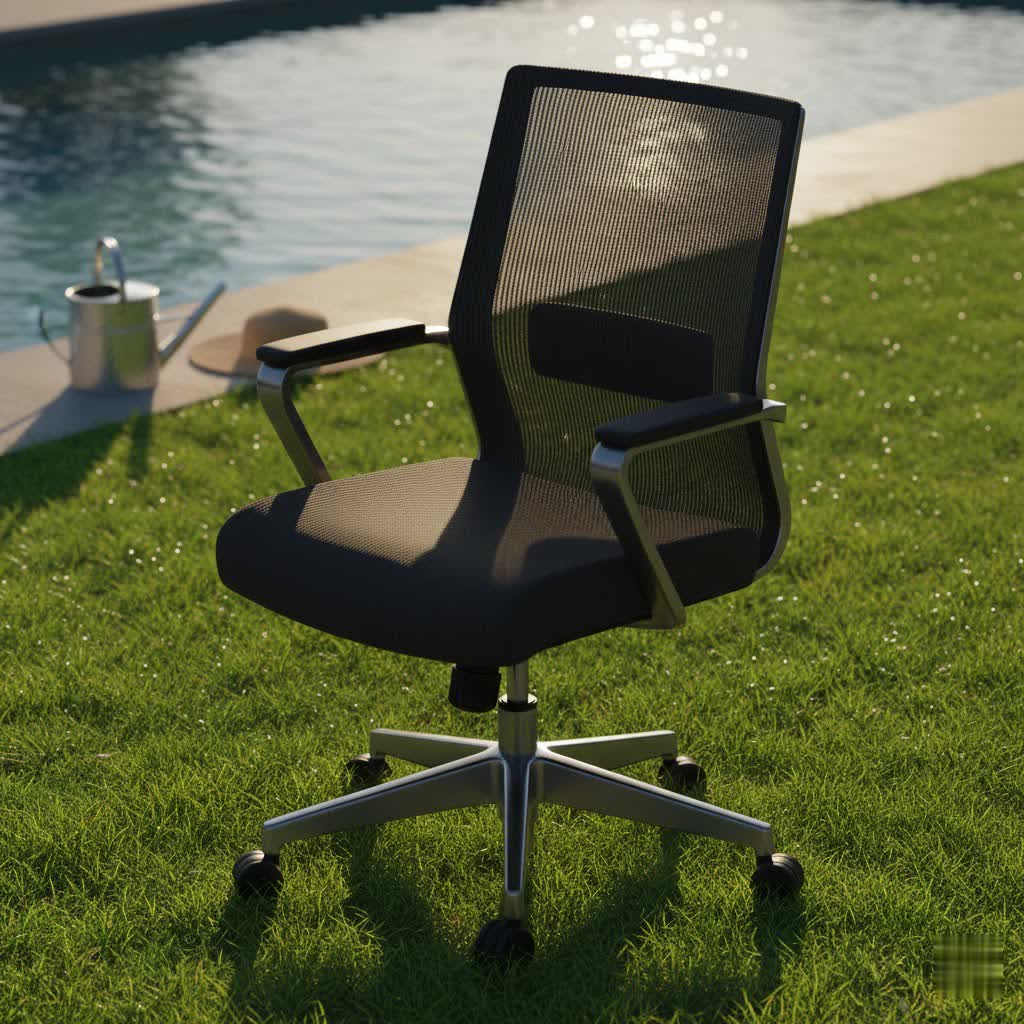
For many, an office desk chair is more than just a place to sit; it’s a critical tool impacting health, productivity, and overall well-being. Considering the average office worker spends an astonishing 85,500 hours sitting throughout their career – equating to over nine years – investing in the right chair is paramount. The wrong chair can lead to discomfort, pain, and reduced focus, transforming your workday into a constant battle against physical strain. This comprehensive guide will navigate you through the diverse world of office desk chairs, helping you understand crucial features, popular types, and how to select the ideal model that supports your body and boosts your efficiency.
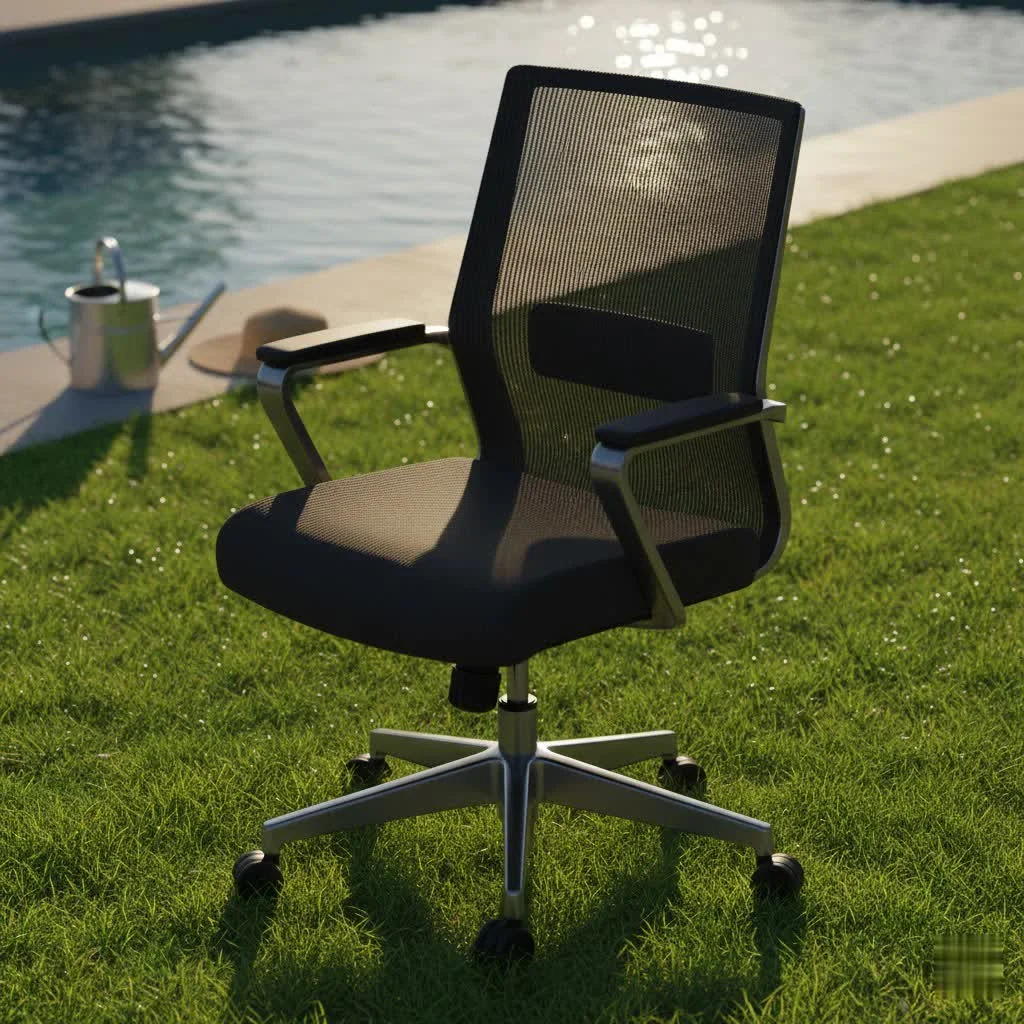
Understanding the Different Types of Office Desk Chairs
The market offers a vast array of office desk chairs, each designed with specific purposes and user needs in mind. Knowing the differences can help you narrow down your search for the perfect fit. For more office chair guides on this site.
Task Chairs
Task chairs are arguably the most common and versatile type, designed for general desk work. They typically feature a cushioned seat, an upright back, and often include wheels and adjustable height, making them suitable for various users and settings. While they prioritize functionality and comfort for everyday use, their price point is usually more accessible than executive or high-end ergonomic models.
Executive Chairs
Executive chairs convey a sense of prestige and luxury, often found in managerial offices. These chairs boast high backs, plush cushioning, and are frequently upholstered in premium materials like leather. Beyond their distinguished appearance, executive chairs are built to provide substantial support and comfort during extended work sessions.
Ergonomic Chairs
Engineered for optimal health and comfort, ergonomic chairs are a top choice for individuals who spend long hours sitting or experience back pain. These chairs offer extensive adjustability, allowing users to customize elements like lumbar support, seat height, and recline to perfectly match their body’s unique needs and promote a healthy posture.
Mesh Chairs
Mesh chairs are celebrated for their breathability, featuring a mesh backrest that promotes airflow to prevent overheating, especially beneficial in warmer climates or non-air-conditioned spaces. They combine cooling properties with ergonomic support, available in various styles, including task and executive models.
Leather Chairs
Bringing a touch of sophistication to any workspace, leather chairs are valued for their durability and timeless appeal. Genuine leather is resilient and develops character over time, making it a wise, albeit often pricier, investment. Faux leather offers a similar aesthetic at a lower cost, though it may not match the longevity of real leather.
Conference Chairs
Designed for shorter sitting sessions in meeting or conference rooms, these chairs are typically lightweight and simpler in design for easy rearrangement. They generally offer fewer adjustments than ergonomic or executive chairs but are practical for collaborative spaces.
Drafting Chairs and Stools
Taller than standard office chairs, drafting chairs are ideal for professionals working at drafting tables, standing desks, or other elevated surfaces. They often include adjustable gas cylinders and integrated footrests to ensure comfort and proper circulation during prolonged use at higher workstations.
Gaming Chairs
Originally designed for extended gaming sessions, gaming chairs have evolved to offer robust support for anyone spending long hours in front of a screen. They typically feature high backrests, integrated lumbar support, and often come in bold designs with recline functionality. However, it’s essential to differentiate between those that prioritize aesthetics and those that genuinely offer ergonomic benefits.
Kneeling Chairs
Kneeling chairs promote a unique posture, positioning the body in a kneeling stance to redistribute weight and reduce pressure on the lower back and hips. By encouraging a forward-tilted pelvis, they help align the spine and engage core muscles, though they may require an adjustment period.
Big and Tall Chairs
For individuals over 6 feet tall or weighing more than 250 pounds, big and tall chairs offer enhanced support with higher backrests, wider seats, and greater weight capacities. They are constructed with reinforced materials for superior durability and stability.
Petite Chairs
Conversely, petite chairs are specifically designed for shorter individuals, featuring more compact seats, lower height adjustments, and armrests that can be positioned closer to the body, ensuring ergonomic support for smaller frames.
Essential Factors When Choosing an Office Desk Chair
|
Our Picks for the Best Office Chair in 2026
As an Amazon Associate I earn from qualifying purchases.
|
||
| Num | Product | Action |
|---|---|---|
| 1 | TRALT Office Chair Ergonomic Desk Chair, 330 LBS Home Mesh Office Desk Chairs with Wheels, Comfortable Gaming Chair, High Back Office Chair for Long Hours (White) |

|
| 2 | Sweetcrispy Office Computer Desk Chair, Ergonomic High-Back Mesh Rolling Work Chairs with Wheels and Adjustable Headrests, Comfortable Lumbar Support, Comfy Flip-up Arms for Home, Bedroom, Study,Black |
|
| 3 | Monhey Desk Computer Chairs - Ergonomic with Lumbar Support & Flip-up Arms Home Office Height Adjustable High Back Rockable Swivel 360° Warm Taupe Mesh Study Chair |
|
| 4 | TRALT Office Chair Ergonomic Desk Chair, 330 LBS Home Mesh Office Desk Chairs with Wheels, Comfortable Gaming Chair, High Back Office Chair for Long Hours (Black) |
|
| 5 | BestOffice - Ergonomic Office Chair - Mid-Back Swivel Desk Chair - Breathable Backrest & Lumbar Support - Adjustable Height - Sponge Seat - Rolling Wheels - Black - for Adults & Women |
|
| 6 | Marsail Ergonomic Office Chair: Office Desk Chair with High Back Mesh and Adjustable Lumbar Support Rolling Work Swivel Task Chairs with Wheel 3D Armrests and Headrest |
|
| 7 | Ergonomic Office Chair with Footrest - Adjustable Lumbar Support & Headrest, 90-160° Reclining Mesh Back Computer Chair - Home Office/Gaming, 350lbs Capacity (SGS Certified) |
|
| 8 | Amazon Basics Classic Puresoft PU Padded Mid-Back Height Adjustable Office Computer Desk Chair with Armrest, 26"D x 23.75"W x 42"H, Black |
|
| 9 | TRALT Office Chair - Ergonomic Desk Chair with Adjustable Lumbar Support, Mesh Computer Chair, Executive Chairs for Home Office Comfortable Lumbar Support (Black) |
|
| 10 | Amazon Basics Classic Puresoft PU Padded Mid-Back Height Adjustable Office Computer Desk Chair with Armrest, 26"D x 23.75"W x 42"H, Cream |
|
Selecting the right office desk chair requires a careful evaluation of several key elements that contribute to comfort, support, and longevity.
Comfort and Support
A good office chair should provide supported movement, be flexible enough for your physical dimensions, and support a variety of postures.
- Backrest: Look for a backrest that supports the natural curve of your spine, ideally reaching the height of your shoulders when sitting upright. Adjustable lumbar support, both in height and intensity, is crucial for maintaining proper spinal alignment and preventing slouching.
- Seat Cushion: The seat should be comfortable, with adequate, breathable padding to prevent pressure points and allow for long sitting periods. A “waterfall” front edge, which curves downwards, helps prevent pressure behind the knees and promotes healthy circulation. Ensure there are two to three finger lengths between the seat edge and the back of your knees.
- Armrests: Adjustable armrests are vital for reducing shoulder and neck strain by allowing your arms to rest comfortably. They should adjust in height, and ideally, in width and swivel, enabling you to get close to your desk without obstruction.
- Headrest: While not all office chairs include a headrest, it can be a valuable feature, especially for those who recline frequently or spend time on phone calls, providing crucial neck support.
Material
The chair’s material impacts comfort, durability, and aesthetics.
- Mesh: Excellent for breathability, preventing heat buildup, and conforming to your back. Ideal for warmer environments.
- Leather: Offers a sophisticated look, is durable, and generally easy to clean. However, it may not be as breathable as mesh.
- Fabric: Provides a wide range of colors and textures, is comfortable, but can be less resistant to spills and harder to clean.
Adjustability
A highly adjustable chair is key to achieving optimal ergonomic posture and dynamic sitting, which is crucial for spinal health and blood circulation.
- Seat Height: The chair’s height should allow your feet to rest flat on the floor with your knees at a 90-degree angle, or slightly below your hips. A pneumatic adjustment mechanism is ideal for easy on-the-fly changes.
- Seat Depth: An adjustable seat depth ensures proper thigh support while maintaining the crucial gap behind your knees.
- Backrest Recline and Tilt: The ability to recline and lock the backrest at various angles supports dynamic sitting and helps maintain a healthy spine by allowing movement and reducing static pressure. Look for tilt tension control to match your body weight.
- Armrests: As mentioned, multi-directional adjustability (height, width, depth, swivel) ensures they can be positioned to support your arms and shoulders effectively.
Durability and Lifespan
A quality office desk chair is an investment. Assess the frame material (steel, alloy), the quality of casters, and the manufacturer’s weight capacity to ensure it can withstand prolonged use. Chairs designed for “24/7” use undergo rigorous testing for intensive, continuous operations. Check for clear warranty policies.
Size and Style
The chair should complement your body type—whether you need a petite, big and tall, or standard model—and fit harmoniously with your office space’s aesthetics.
Top Office Desk Chairs Comparison
Choosing the “best” chair depends on individual needs and budget. Here’s a comparison of some highly-rated models across different price points, based on extensive lab testing:
| Brand & Model | Pros | Cons | Price Range (Approx.) | Comfortable Hours | Adjustability Points | Weight Limit (lbs) |
|---|---|---|---|---|---|---|
| Steelcase Leap | Incredibly comfortable, highly adjustable, easy assembly | Expensive | Premium | 10 | 8 | 400 |
| Branch Ergonomic | Very adjustable, high-end features at affordable price, comfortable | Hard armrests, adjustments require effort | Mid-Range | 8 | 7 | 275 |
| SIHOO M18 Ergonomic Big and Tall | Comfy seat, very adjustable 4-way lumbar support, headrest included | Wheels can be stiff, lumbar difficult to adjust, no adjustable seat pan | Budget | 7 | 5 | 330 |
| Modway Articulate Ergonomic Mesh | Inexpensive, decently comfortable, respectable adjustability | Less durable, less lumbar support | Entry-Level | 8 | 4 | 331 |
| EDX Armless Criss Cross Chair with Wheels | Ideal for unconventional sitters, super wide seat pan, comfortable | No lumbar support, not very adjustable, takes up space | Entry-Level | 6 | 2 | 300 |
Note: Prices and specific features can vary based on retailers and configurations.
Your Smart Buying Guide for an Office Desk Chair
Making an informed decision is vital for an investment as significant as your office desk chair.
- Define Your Usage Needs: How many hours a day will you be using the chair? Do you have any existing back pain or specific physical requirements? What is your budget? Answering these questions will guide your search.
- Conduct Thorough Research: Read expert reviews and comparisons from reputable sources. Watch video reviews to see chairs in action and understand their adjustment mechanisms. Gather feedback from other users who share similar needs or body types.
- Experience It Firsthand: If possible, visit a showroom to sit in the chairs you’re considering. Adjust all the settings—seat height, back recline, armrests, lumbar support—to ensure they fit your body. Pay attention to how the chair moves, if the wheels glide smoothly, and if there are any immediate discomforts. Remember, a chair might feel different in your office environment than in a store due to flooring or desk height.
- Choose Reputable Retailers: Purchase from stores that offer clear warranty policies and straightforward return or exchange options. This provides peace of mind and ensures you’re protected should the chair not meet your expectations.
Renowned Office Chair Brands
Several brands consistently receive high praise for their innovation, comfort, and durability in the office chair industry:
- Herman Miller: Known for iconic, high-end ergonomic designs like the Aeron and Embody, prioritizing health and sophisticated aesthetics.
- Steelcase: A leader in ergonomic solutions, offering highly adjustable and durable chairs such as the Leap and Gesture, often found in corporate settings.
- Branch: Gaining popularity for offering high-value ergonomic chairs with premium features at more accessible price points.
- Sihoo: A notable brand in the budget and mid-range ergonomic market, offering good adjustability and comfort for the price.
- Hon: Offers a range of reliable office furniture, including task chairs like the Ignition series, known for their balance of comfort and value.
- Modway: Provides aesthetically pleasing and functional office chairs, often at budget-friendly prices.
Tips for Optimal Use and Care of Your Office Desk Chair
Once you’ve found your perfect office desk chair, proper usage and maintenance will ensure its longevity and continued support for your health.
- Regular Cleaning: Depending on the material, clean your chair regularly to prevent dust and grime buildup. Follow manufacturer guidelines for specific upholstery types.
- Adjust to Your Posture: Always adjust your chair to support a correct ergonomic posture, ensuring your feet are flat, knees at 90 degrees, and back supported by the lumbar curve.
- Take Breaks: Even with the best ergonomic chair, prolonged static sitting is not recommended. Take short breaks every 30-45 minutes to stand, stretch, and move around to improve blood circulation and reduce muscle fatigue.
- Routine Inspection and Maintenance: Periodically check all adjustable mechanisms, screws, and casters to ensure they are functioning correctly and securely. Lubricate moving parts if necessary.
“A good office chair is an investment in your health and your work efficiency.”
Conclusion
Navigating the vast landscape of office desk chairs can be overwhelming, but with the right knowledge, you can confidently choose a chair that transforms your workday. From understanding the nuances of ergonomic design to evaluating materials and adjustability, every decision contributes to your comfort, health, and productivity. By prioritizing a chair that offers tailored support and encourages dynamic sitting, you’re not just buying furniture; you’re investing in a happier, healthier, and more effective work life.
What aspect of your current office chair do you wish you could upgrade the most?
Frequently Asked Questions
Are ergonomic office chairs truly beneficial for health?
Yes, ergonomic office chairs are highly beneficial for health. They are specifically designed to support the body’s natural posture, reduce strain on the back and neck, alleviate hip pressure, and improve blood circulation. This helps prevent chronic pain, musculoskeletal disorders, and ultimately enhances productivity by minimizing discomfort-related distractions.
Should I choose a leather or mesh office chair?
The choice between leather and mesh depends on your priorities. Mesh chairs excel in breathability, making them ideal for warm environments as they promote airflow and prevent overheating. Leather chairs offer a premium, sophisticated aesthetic, are durable, and generally easy to clean, but they may retain more heat.
What is a reasonable price for a good office desk chair?
The price of a good office desk chair varies widely based on features, brand, and materials. While basic models can be found for under $200, high-quality ergonomic chairs often range from $300 to over $1,000. Investing more typically yields better adjustability, durability, and superior long-term comfort and support.
How long should an office chair last?
The lifespan of an office chair depends on its quality and usage. High-end, well-constructed office chairs from reputable brands can last 10-15 years or even longer, often backed by extended warranties. Budget-friendly options might offer 2-5 years of comfortable use before showing significant wear.
What are the most important features to look for in an office chair?
The most important features in an office chair are adjustable lumbar support, seat height adjustment, seat depth adjustment, and adjustable armrests. These adjustments allow the chair to conform to your body, promote proper posture, and reduce pressure points, ensuring comfort and support during long working hours.
Get our weekly buyer guide
Practical specs, not advice. Unsubscribe anytime.
