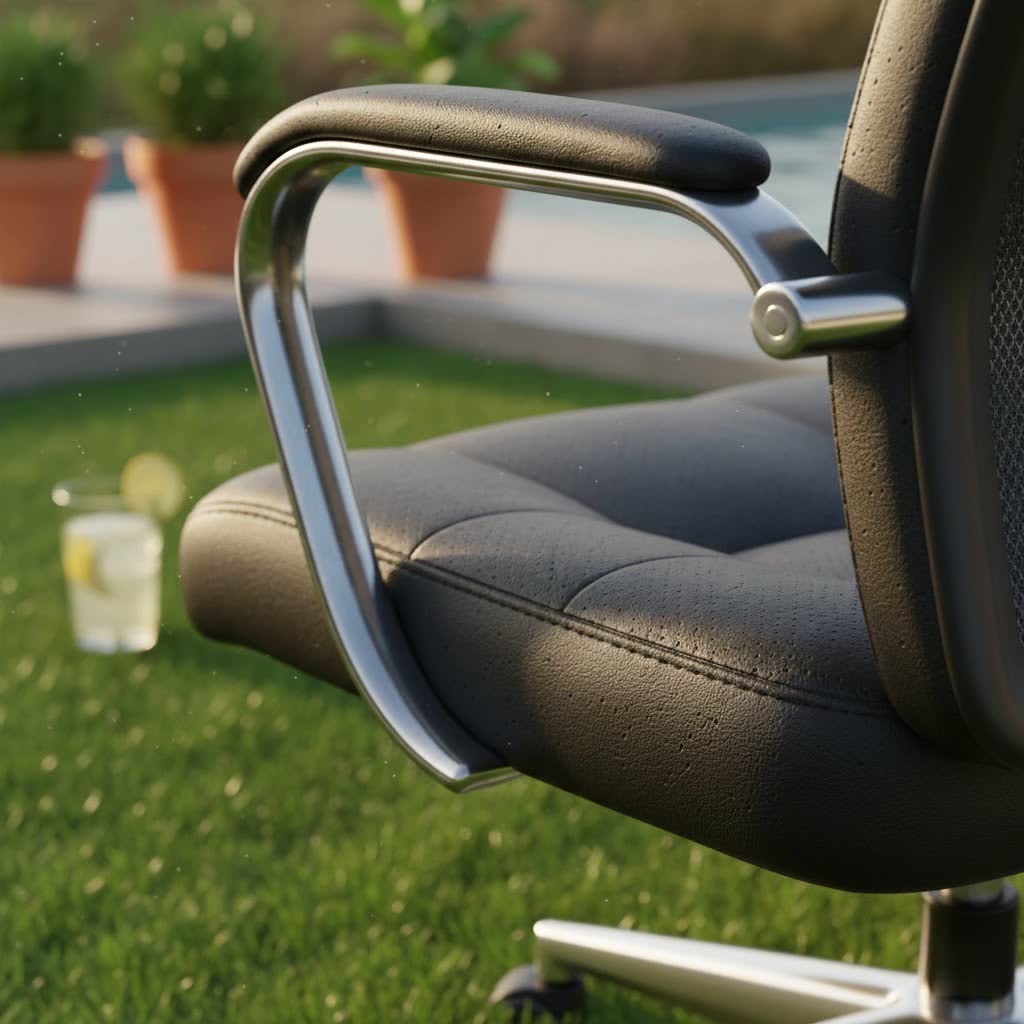
Spending countless hours seated at a desk can take a significant toll on your body, leading to discomfort, back pain, and reduced focus. If you’ve ever found yourself constantly shifting, stretching, or yearning for a more relaxed position during your workday, a reclining office chair might be the transformative solution you need. These innovative chairs are more than just a place to sit; they are a crucial investment in your health, well-being, and overall productivity, designed to adapt to your body’s natural need for movement and support.
What is a Reclining Office Chair?
A reclining office chair is specifically engineered to allow the user to adjust the angle of the backrest, and often the seat, providing dynamic support that moves with you throughout your day. Unlike traditional office chairs that often confine you to a rigid, upright posture, reclining models feature mechanisms—such as levers or knobs—that enable you to lean back, shifting your body’s weight and reducing pressure on your spine. This flexibility allows for a range of positions, from a slightly relaxed angle for active work to a deeper recline for short breaks and reflection.
Why Choose a Reclining Office Chair?
The benefits of incorporating a reclining office chair into your workspace extend far beyond simple comfort. They address the core challenges of prolonged sitting, offering comprehensive support for your physical and mental well-being.
Enhanced Comfort and Reduced Strain
A primary advantage of a reclining office chair is its ability to provide superior comfort and significantly reduce physical strain. By allowing you to change your posture throughout the day, these chairs prevent the stiffness and discomfort that often arise from static sitting. The recline feature redistributes your body weight, easing pressure on the lower back, neck, and shoulders, which are common areas of tension for desk workers.
Improved Posture and Spinal Health
Ergonomic reclining office chairs are designed to support the natural curvature of your spine, promoting better posture. Reclining helps activate the parasympathetic nervous system, shifting the load from your spine to the chair and encouraging a neutral, relaxed sitting position. This dynamic support helps mitigate the risks of musculoskeletal disorders and can lead to fewer aches and pains at the end of a long workday.
Increased Productivity and Focus
When you are comfortable and free from physical discomfort, your ability to concentrate and be productive naturally improves. A reclining chair allows for micro-movements and changes in posture, which can help prevent mental fatigue and keep your blood flowing. Taking brief, reclined breaks can refresh your mind, leading to clearer thinking and sustained focus on tasks.
Stress Reduction and Relaxation
|
Our Picks for the Best Office Chair in 2026
As an Amazon Associate I earn from qualifying purchases.
|
||
| Num | Product | Action |
|---|---|---|
| 1 | Marsail Ergonomic Office Chair: Office Desk Chair with High Back Mesh and Adjustable Lumbar Support Rolling Work Swivel Task Chairs with Wheel 3D Armrests and Headrest |

|
| 2 | BestOffice - Ergonomic Office Chair - Mid-Back Swivel Desk Chair - Breathable Backrest & Lumbar Support - Adjustable Height - Sponge Seat - Rolling Wheels - Black - for Adults & Women |
|
| 3 | TRALT Office Chair Ergonomic Desk Chair, 330 LBS Home Mesh Office Desk Chairs with Wheels, Comfortable Gaming Chair, High Back Office Chair for Long Hours (White) |
|
| 4 | TRALT Office Chair Ergonomic Desk Chair, 330 LBS Home Mesh Office Desk Chairs with Wheels, Comfortable Gaming Chair, High Back Office Chair for Long Hours (Black) |
|
| 5 | TRALT Office Chair - Ergonomic Desk Chair with Adjustable Lumbar Support, Mesh Computer Chair, Executive Chairs for Home Office Comfortable Lumbar Support (Black) |
|
| 6 | Sweetcrispy Office Computer Desk Chair, Ergonomic High-Back Mesh Rolling Work Chairs with Wheels and Adjustable Headrests, Comfortable Lumbar Support, Comfy Flip-up Arms for Home, Bedroom, Study,Black |
|
| 7 | Amazon Basics Classic Puresoft PU Padded Mid-Back Height Adjustable Office Computer Desk Chair with Armrest, 26"D x 23.75"W x 42"H, Black |
|
| 8 | Amazon Basics Classic Puresoft PU Padded Mid-Back Height Adjustable Office Computer Desk Chair with Armrest, 26"D x 23.75"W x 42"H, Cream |
|
| 9 | Ergonomic Office Chair with Footrest - Adjustable Lumbar Support & Headrest, 90-160° Reclining Mesh Back Computer Chair - Home Office/Gaming, 350lbs Capacity (SGS Certified) |
|
| 10 | Monhey Desk Computer Chairs - Ergonomic with Lumbar Support & Flip-up Arms Home Office Height Adjustable High Back Rockable Swivel 360° Warm Taupe Mesh Study Chair |
|
Beyond physical benefits, a reclining office chair can also contribute to improved mental well-being. The act of leaning back and taking a moment to relax can help reduce anxiety and improve mood. Some chairs even come equipped with footrests, providing an ideal setup for a quick moment of repose, allowing you to de-stress and return to work feeling revitalized.
Key Features to Look for in a Reclining Office Chair
When investing in a reclining office chair, understanding the essential features will help you choose a model that perfectly aligns with your needs for comfort, support, and durability.
Recline Mechanism and Angle
The core of any reclining office chair is its recline mechanism. Look for chairs that offer a smooth, stable recline with multiple locking positions. For active work, a recline range of 100°-120° is generally recommended, allowing for a slight lean back while remaining engaged. If your chair includes a headrest, a deeper recline of 125°-135° can be ideal for short breaks and relaxation, providing full support for your head, neck, and shoulders. Adjustable recline tension is also crucial, allowing you to control the effort required to recline and ensure the backrest provides appropriate resistance.
Lumbar Support
Effective lumbar support is paramount for spinal health. An ergonomic reclining office chair should offer adjustable lumbar support that can be moved up, down, in, and out to perfectly fit the natural curve of your lower back. This customization helps alleviate pressure and prevents lower back pain, which is a common complaint for individuals who sit for extended periods.
Headrest
Many reclining office chairs feature an integrated or adjustable headrest. A good headrest provides crucial support for your head and neck, especially when you recline. Look for one that can be adjusted for height and angle, ensuring it aligns properly with your head and neck when you lean back. Some headrests are also removable, offering flexibility based on your preference.
Armrests
Adjustable armrests are a must-have for ergonomic support. They should be able to move up and down, as well as pivot in and out (2D, 3D, or 4D adjustability). This allows you to support your forearms comfortably, keeping your elbows at a 90-degree angle to your desk, which helps prevent shoulder and wrist strain without forcing you to shrug.
Seat Adjustments
Beyond recline, the seat itself should offer a range of adjustments.
- Seat Height: Pneumatic height adjustment allows you to easily raise or lower the seat while seated, ensuring your feet are flat on the floor or a footrest, and your knees are at a 90-degree angle.
- Seat Depth: An adjustable seat depth is important to ensure there are 2-3 inches of space between the front edge of the seat and the back of your knees, preventing pressure on your thighs.
- Seat Tilt: Some chairs offer seat tilt, allowing you to angle the seat pan slightly downwards. This can be beneficial for the lower back by promoting a “thigh down” posture.
Footrest
While not standard on all models, a retractable footrest is a desirable feature, especially for those who enjoy deeper recline for breaks. A footrest can significantly enhance comfort by allowing you to fully extend your legs and elevate them, further reducing pressure on your lower back and improving circulation.
Materials
The material of your chair impacts both comfort and durability.
- Mesh: Often breathable, mesh chairs are excellent for warmer climates as they promote airflow, preventing heat buildup. They tend to conform to the body and offer good support.
- Leather/Faux Leather: These materials offer a luxurious feel and are generally easy to clean. Leather provides a classic, executive look and is highly durable, while faux leather offers a more budget-friendly alternative with similar aesthetics.
- Fabric: Fabric chairs come in a wide range of colors and textures, providing a comfortable and soft seating surface. They are often durable and can offer good cushioning.
Durability and Build Quality
A high-quality reclining office chair is an investment, so assess its durability. Look for a sturdy frame (steel or heavy-duty alloy are excellent choices), a robust five-point base for stability, and smooth-rolling casters for easy mobility. High-density foam in the seat and backrest will ensure the chair maintains its comfort and support over time without flattening.
Types of Reclining Office Chairs
The market offers various types of reclining office chairs, each catering to different needs and preferences.
Ergonomic Reclining Office Chairs
These chairs are designed with human body mechanics in mind, offering extensive adjustability for optimal posture and support. They are ideal for individuals who spend long hours at their desk and prioritize health and comfort. Features often include multi-dimensional armrests, advanced lumbar support, and highly customizable recline mechanisms.
Executive Reclining Office Chairs
Executive chairs typically combine sophisticated design with plush comfort. Often upholstered in leather or high-quality fabric, they feature higher backrests and ample padding. While they may not always offer the intricate ergonomic adjustments of specialized ergonomic chairs, many provide a comfortable recline function, suitable for a professional office aesthetic and moderate usage.
Gaming Chairs with Recline Function
Originally designed for gamers, many high-end gaming chairs have seamlessly transitioned into the office environment due to their robust construction and impressive recline capabilities. These chairs often feature aggressive styling, deep recline angles (sometimes nearly flat), and integrated headrests and lumbar cushions, making them suitable for those who balance work and leisure in their seating.
How to Choose the Right Reclining Office Chair for You
Selecting the perfect reclining office chair requires a thoughtful approach, considering your individual needs and the environment in which you’ll use it.
Assess Your Needs
Start by evaluating your daily routine and physical requirements. How many hours do you spend sitting? Do you have any existing back or neck pain that needs specific support? What is your budget? Your body type and height are also crucial factors; ensure the chair’s adjustments can accommodate your frame for proper ergonomic alignment.
Research and Read Reviews
Thorough research is key. Explore reputable reviews and comparisons from various sources. Look for consistent feedback on comfort, durability, adjustability, and overall value. Pay attention to comments from users with similar body types or work habits to yours.
Try Before You Buy
Whenever possible, try out chairs in person. Sit in the chair for at least 10-15 minutes, if not longer, to get a real feel for its comfort and support. Adjust all the features—seat height, depth, recline, armrests, lumbar support—to see how easily they operate and if they provide the desired fit. This hands-on experience is invaluable.
Check Warranty and Return Policies
A good warranty signals a manufacturer’s confidence in their product’s quality. Look for chairs with comprehensive warranties, especially on moving parts and the frame. Understand the return policy in case the chair doesn’t meet your expectations after extended use.
Maintenance Tips for Your Reclining Office Chair
Proper care and maintenance can significantly extend the life and performance of your reclining office chair.
- Regular Cleaning: Depending on the material, wipe down your chair regularly to remove dust and spills. For fabric, use a damp cloth or a mild upholstery cleaner. Leather benefits from specialized cleaners and conditioners to prevent drying and cracking.
- Adjust for Your Body: Always adjust the chair to your current posture and tasks. Don’t set it once and forget it. Dynamic sitting, where you periodically change your position and recline angle, is healthier than remaining static.
- Avoid Overloading: Be mindful of the chair’s weight capacity. Exceeding it can strain the mechanism and reduce its lifespan.
- Periodic Checks: Every few months, check all screws and bolts for tightness. Lubricate moving parts if they start to squeak or become stiff. Inspect casters for trapped debris that might hinder smooth movement.
Conclusion
Choosing the right reclining office chair is a pivotal decision for anyone who spends significant time at a desk. It’s more than just a piece of furniture; it’s an investment in your long-term health, comfort, and professional effectiveness. By prioritizing ergonomic design, comprehensive adjustability, and quality materials, you can find a chair that transforms your work experience, reducing discomfort and fostering greater productivity. Remember, your body deserves the best support, allowing you to tackle tasks with renewed energy and focus. What kind of support are you looking for in your next office chair?
Frequently Asked Questions
Are reclining office chairs really good for health?
Yes, reclining office chairs can be highly beneficial for health, especially when used correctly. They help redistribute body weight, reduce pressure on the spine, and encourage dynamic sitting, which is better than static postures. Features like adjustable lumbar support and headrests further contribute to spinal alignment and can alleviate back and neck pain.
What is the ideal recline angle for working?
For active work, an ideal recline angle typically ranges from 100° to 120°. This slight recline helps to open up the hip angle, reducing pressure on the lower back while still keeping you engaged with your desk and computer. For short breaks or relaxation, a deeper recline of 125° to 135° is often recommended, particularly if the chair has a supportive headrest.
Should I get a reclining office chair with a footrest?
A reclining office chair with a footrest can significantly enhance comfort, especially if you enjoy taking short breaks to fully recline and relax. It allows you to elevate your legs, which can improve circulation and further reduce pressure on your lower back. While not essential for everyone, it’s a valuable feature for those seeking maximum relaxation during their workday.
Get our weekly buyer guide
Practical specs, not advice. Unsubscribe anytime.
