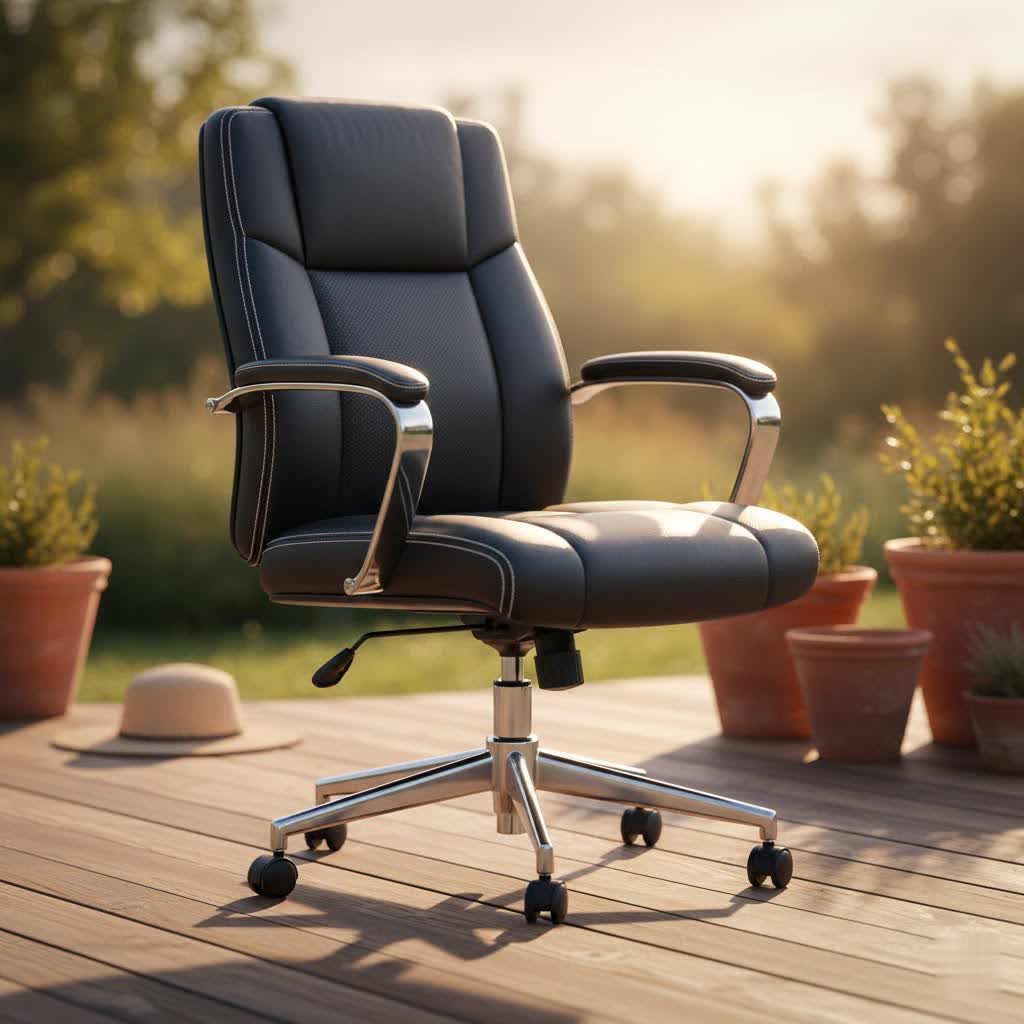
Spending countless hours at your desk can take a toll on your body, leading to discomfort, poor posture, and even chronic pain. Many of us have experienced the nagging backache or stiff neck that comes from an ill-suited chair, hindering both focus and productivity. But what if your office chair could actively support your well-being, transforming your workday from a grind to a comfortable, energized experience? Investing in a top-rated ergonomic office chair is not just a luxury; it’s a strategic move for your health and performance. This guide will walk you through everything you need to know to find the perfect ergonomic companion for your workspace, ensuring comfort, support, and lasting value.
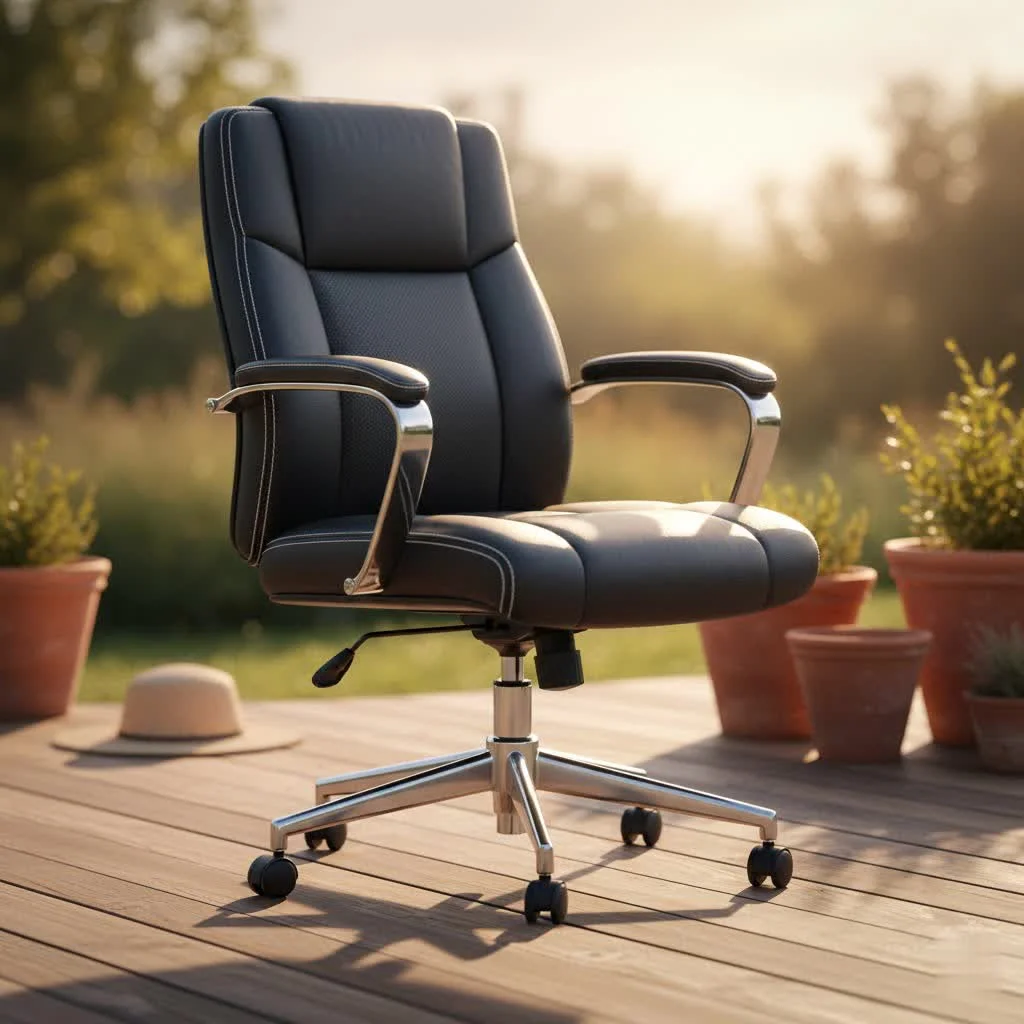
Understanding Ergonomic Office Chairs
Ergonomic office chairs are specifically designed to support the natural curvature of your spine and provide comprehensive adjustability to fit your unique body shape and work habits. Unlike conventional office chairs that offer limited customization, ergonomic models focus on promoting a neutral posture, reducing strain on your muscles and joints, and enhancing overall comfort during prolonged sitting. The Occupational Safety and Health Administration (OSHA) highlights several key features that define an ergonomic chair: adjustable seat height and depth, adjustable armrests, lumbar support, backrest recline, a swivel base, and appropriate seat cushioning. These features are crucial for customizing the chair to your personal preferences and physical requirements, thereby alleviating strain on your back, neck, and shoulders.
While there isn’t a single “type” of ergonomic chair, they can be broadly categorized by their primary design or material, such as mesh, leather, or fabric. The true ergonomic benefit comes from the range and ease of adjustment, allowing the chair to adapt to you, rather than forcing you to adapt to the chair.
Key Factors When Choosing Your Ergonomic Office Chair
Selecting the right ergonomic office chair requires careful consideration of several interconnected factors that contribute to both immediate comfort and long-term health benefits.
Unparalleled Comfort and Support
The core of an ergonomic chair’s value lies in its ability to provide superior comfort and support.
- Backrest and Lumbar Support: A well-designed backrest should mirror the natural S-curve of your spine, with adjustable lumbar support being paramount. This allows you to position the support precisely where your lower back needs it most, preventing slouching and reducing pressure. Some advanced chairs offer automatic lumbar adjustments, adapting as you move.
- Seat Cushioning: The seat should be adequately padded, offering comfort without being too soft. Materials like high-density foam or breathable mesh ensure sustained comfort and airflow, preventing heat buildup during long working hours. Proper seat depth adjustment is also critical, ensuring your thighs are supported without pressure behind your knees, and your feet can rest flat on the floor.
- Armrests: Adjustable armrests are vital for supporting your forearms and reducing strain on your neck and shoulders. Look for chairs with 3D or 4D armrests, allowing adjustments in height, depth, width, and pivot, enabling you to maintain a comfortable 90-degree angle at your elbows while typing.
- Headrest: An optional but highly beneficial feature, especially for taller individuals or those who frequently lean back to relax or take calls. A good headrest provides support for your head and neck, relieving tension.
Material Matters: Breathability, Durability, and Aesthetics
|
Our Picks for the Best Office Chair in 2026
As an Amazon Associate I earn from qualifying purchases.
|
||
| Num | Product | Action |
|---|---|---|
| 1 | Amazon Basics Classic Puresoft PU Padded Mid-Back Height Adjustable Office Computer Desk Chair with Armrest, 26"D x 23.75"W x 42"H, Cream |

|
| 2 | Monhey Desk Computer Chairs - Ergonomic with Lumbar Support & Flip-up Arms Home Office Height Adjustable High Back Rockable Swivel 360° Warm Taupe Mesh Study Chair |
|
| 3 | TRALT Office Chair Ergonomic Desk Chair, 330 LBS Home Mesh Office Desk Chairs with Wheels, Comfortable Gaming Chair, High Back Office Chair for Long Hours (White) |
|
| 4 | BestOffice - Ergonomic Office Chair - Mid-Back Swivel Desk Chair - Breathable Backrest & Lumbar Support - Adjustable Height - Sponge Seat - Rolling Wheels - Black - for Adults & Women |
|
| 5 | Amazon Basics Classic Puresoft PU Padded Mid-Back Height Adjustable Office Computer Desk Chair with Armrest, 26"D x 23.75"W x 42"H, Black |
|
| 6 | Sweetcrispy Office Computer Desk Chair, Ergonomic High-Back Mesh Rolling Work Chairs with Wheels and Adjustable Headrests, Comfortable Lumbar Support, Comfy Flip-up Arms for Home, Bedroom, Study,Black |
|
| 7 | Ergonomic Office Chair with Footrest - Adjustable Lumbar Support & Headrest, 90-160° Reclining Mesh Back Computer Chair - Home Office/Gaming, 350lbs Capacity (SGS Certified) |
|
| 8 | TRALT Office Chair - Ergonomic Desk Chair with Adjustable Lumbar Support, Mesh Computer Chair, Executive Chairs for Home Office Comfortable Lumbar Support (Black) |
|
| 9 | Marsail Ergonomic Office Chair: Office Desk Chair with High Back Mesh and Adjustable Lumbar Support Rolling Work Swivel Task Chairs with Wheel 3D Armrests and Headrest |
|
| 10 | TRALT Office Chair Ergonomic Desk Chair, 330 LBS Home Mesh Office Desk Chairs with Wheels, Comfortable Gaming Chair, High Back Office Chair for Long Hours (Black) |
|
The material of your ergonomic office chair impacts its comfort, maintenance, and how it integrates with your office aesthetic.
- Mesh: Often found in the backrest, mesh provides excellent breathability, promoting airflow to keep you cool, especially in warmer climates. It’s supportive yet flexible.
- Fabric: Offers a wide range of colors and textures, providing a soft and comfortable feel. Fabric chairs are generally comfortable but may not offer the same level of breathability as mesh.
- Leather/Pleather: Exudes a luxurious and executive feel, often easier to clean than fabric. However, it can be less breathable, potentially leading to heat buildup over long periods.
The Power of Adjustability
The hallmark of a truly ergonomic office chair is its extensive adjustability. The more customizable features a chair offers, the better it can be tailored to your body and tasks.
- Seat Height and Depth: Essential for ensuring your feet are flat on the floor and your thighs are properly supported.
- Backrest Recline and Tilt Tension: Allows you to lean back comfortably, reducing spinal compression, with adjustable tension to control the effort required to recline.
- Armrest Adjustments: As mentioned, multi-directional armrests significantly enhance ergonomic alignment.
- Lumbar Support Adjustments: Crucial for precise lower back support.
Durability and Longevity: An Investment That Lasts
An ergonomic office chair is an investment in your health and productivity, so its durability is paramount. Look for chairs constructed with robust materials like steel or aluminum frames, which offer greater stability and longevity compared to nylon components. High weight capacities often indicate superior build quality. A strong warranty also signals the manufacturer’s confidence in their product’s lifespan, providing peace of mind.
Size and Style: A Perfect Fit for You and Your Space
Consider your body type – height, weight, and build – when selecting a chair. Some chairs are designed for specific user sizes, including options for larger frames or taller individuals, ensuring adequate support and fit. Beyond functionality, the chair’s aesthetic should complement your office environment, whether you prefer a sleek, modern design or a more traditional look.
Top-Rated Ergonomic Office Chairs: A Comparative Look
Finding the best ergonomic office chair means balancing features, comfort, and budget. Here’s a comparison of some highly-rated models that excel in different areas:
| Brand/Model | Key Advantages | Considerations | Price Range |
|---|---|---|---|
| Aura Ergonomic Chair | Exceptional adjustability (lumbar, headrest, footrest, arms, tilt), breathable mesh, smooth-rolling wheels, good value | Limited color options, potentially long assembly time | $279 – $399 |
| Branch Ergonomic Chair Pro | Amazing multi-directional arm adjustability, well-padded seat, premium feel and build, excellent lumbar support | Wheels may not perform well on thick carpets/rugs, headrest can be low for very tall individuals | Around $499 |
| Hon Ignition 2.0 | Promotes good posture, highly adjustable (seat, arms, back), breathable mesh back, wide cushioned seat | Assembly can be tricky (especially wheels), lumbar may not be high enough for very tall frames, less aesthetic appeal | $362 – $698 |
| Sihoo Doro C300 | Low-priced with auto-adjusting lumbar, breathable mesh back, well-padded armrests, solid metal wheelbase, easy assembly | Seat depth might be short for very long legs | Around $280 |
| Anthros Chair | “Ultra comfortable,” unique pelvis support for back pain relief, posture guarantee, easy assembly | Prohibitively expensive | Around $1,849 |
Your Guide to Purchasing an Ergonomic Office Chair
Making an informed decision about your ergonomic office chair involves a methodical approach.
- Determine Your Specific Needs: Start by assessing your daily sitting habits. How many hours do you spend at your desk? Do you have any pre-existing back, neck, or shoulder issues? What is your budget? Answering these questions will help narrow down your options.
- Thorough Product Research: Dive into online reviews, watch video testimonials, and compare features across different models and brands. Pay attention to what other users, especially those with similar body types or concerns, say about their experiences.
- Experience in Person (If Possible): If feasible, visit a showroom to try out chairs. Sit in different models, adjust all the settings, and notice how your body feels. This hands-on experience is invaluable for understanding comfort and fit.
- Purchase from Reputable Sellers: Always buy from stores or brands with clear warranty policies and reliable customer support. This ensures you’re covered for any potential issues and can receive assistance with assembly or adjustments.
Reputable Ergonomic Office Chair Brands
Several brands consistently receive high marks for their ergonomic designs and quality. While some, like Herman Miller and Steelcase, are renowned for their high-end, highly customizable options, others offer excellent ergonomic benefits at more accessible price points.
- Herman Miller: Synonymous with high-end, iconic ergonomic designs (e.g., Aeron, Embody).
- Steelcase: Known for innovative and durable office seating solutions with extensive customization (e.g., Leap, Gesture, Karman).
- Branch: Offers a range of well-designed, adjustable ergonomic chairs that balance quality and value (e.g., Ergonomic Chair Pro, Verve).
- Hon: Provides reliable and feature-rich ergonomic chairs, often praised for their durability (e.g., Ignition 2.0).
- Sihoo: A rising brand recognized for offering good ergonomic features at competitive prices (e.g., Doro C300, M57).
- FlexiSpot: Offers a variety of ergonomic chairs, often including features like adjustable headrests and lumbar support (e.g., C7).
- Autonomous: Known for its “ErgoChair” series, focusing on extensive adjustability for different body types.
Tips for Using and Maintaining Your Ergonomic Office Chair
Even the best ergonomic chair requires proper usage and maintenance to maximize its benefits and lifespan.
- Regular Cleaning: Clean your chair regularly according to its material. For mesh and fabric, a damp cloth with mild soap is usually sufficient. Leather can be wiped down with a specialized cleaner.
- Adjust to Proper Posture: Take the time to adjust your chair to the optimal ergonomic settings. Your feet should be flat on the floor (or a footrest), knees at a 90-degree angle, shoulders relaxed, and monitor at eye level. Your back should always be supported against the backrest.
- Avoid Prolonged Static Sitting: Even with a top-rated ergonomic office chair, it’s crucial to take regular breaks and change your posture. Stand up, stretch, and move around every 30-60 minutes to promote circulation and reduce stiffness.
- Periodic Checks and Maintenance: Occasionally check all screws and moving parts to ensure they are tight and lubricated. If you notice any squeaks or wobbles, address them promptly to prevent further wear and tear.
Frequently Asked Questions
Are ergonomic office chairs truly beneficial for health?
Yes, ergonomic office chairs are highly beneficial for health. They are designed to promote a neutral spine position, significantly reducing the risk of back, neck, and shoulder pain. By providing proper support and encouraging healthy posture, these chairs can also improve circulation, reduce fatigue, and enhance overall physical well-being.
What distinguishes an ergonomic office chair from a standard one?
The key distinction lies in adjustability and support. An ergonomic office chair offers extensive customizable features—such as adjustable seat height and depth, lumbar support, and multi-directional armrests—to perfectly fit the user’s body. Standard chairs typically lack these comprehensive adjustments, offering only basic seating.
How much should one expect to invest in a good ergonomic office chair?
The price of a good ergonomic office chair can vary widely, from around $150 for basic models with essential adjustments to over $1,000 for premium, highly customizable options with advanced features and luxury materials. It’s an investment in your health and productivity, so choose the best quality you can afford.
Is mesh or upholstered material better for an ergonomic office chair?
Both mesh and upholstered materials have their merits. Mesh chairs are excellent for breathability and airflow, keeping you cool during long hours, making them ideal for warmer environments. Upholstered chairs, made of fabric or leather, often prioritize cushioning and a more traditional aesthetic, better suited for air-conditioned spaces.
Can an ergonomic office chair help alleviate existing back pain?
While an ergonomic office chair alone may not “cure” existing back pain, it can significantly help in its alleviation and prevention. By promoting proper posture and providing targeted support to the lower back and spine, it reduces strain and discomfort. Consulting with a healthcare professional alongside using an ergonomic chair is often recommended for chronic pain.
Conclusion
Choosing the right ergonomic office chair is more than just buying a piece of furniture; it’s an investment in your long-term health, comfort, and productivity. By prioritizing features like comprehensive adjustability, superior lumbar support, and durable construction, you can transform your workspace into an environment that supports your well-being. Remember to consider your individual needs, conduct thorough research, and where possible, try chairs in person to find your perfect match. With the right ergonomic office chair, you’ll not only alleviate discomfort but also unlock a new level of focus and energy throughout your workday.
What specific ergonomic feature do you find most crucial for your daily work?
Get our weekly buyer guide
Practical specs, not advice. Unsubscribe anytime.
