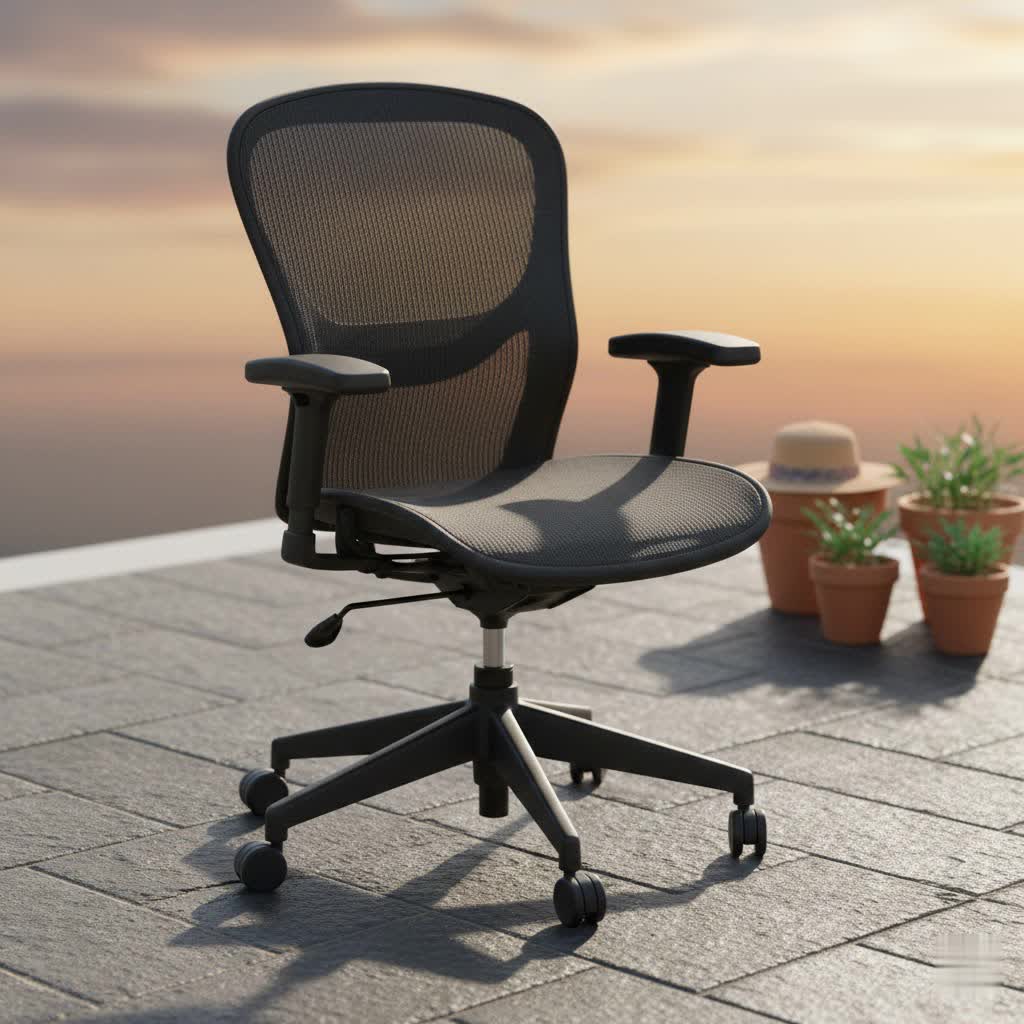
Do you often find yourself twisting, tucking, and contorting your legs into unconventional positions while sitting at your desk? You’re not alone. Many individuals struggle to maintain the “perfect” 90-degree posture in traditional office chairs, instinctively seeking more natural and flexible ways to sit. This is where the criss cross office chair steps in, offering a revolutionary approach to desk seating that prioritizes comfort and freedom of movement.
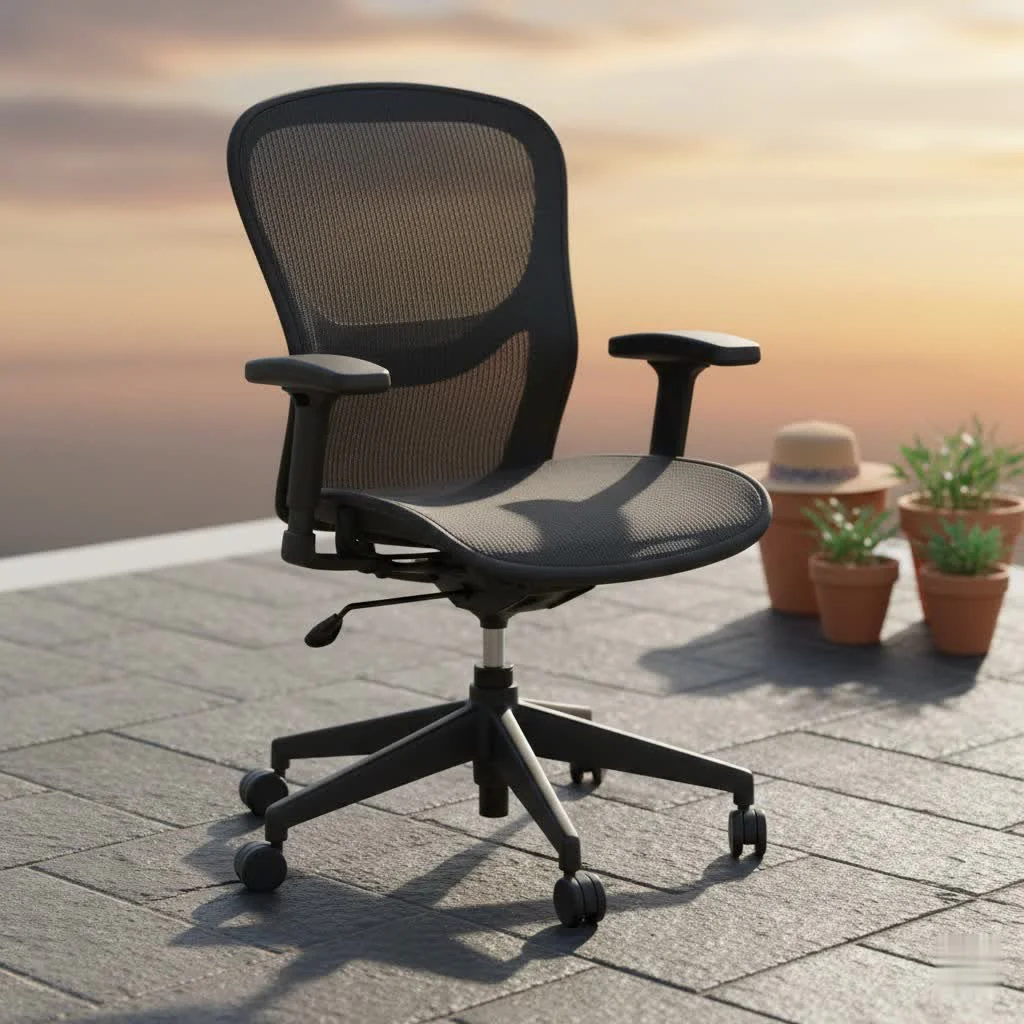
Designed for those who crave flexibility and a break from rigid sitting, the criss cross office chair has rapidly gained popularity. But what exactly makes these chairs different, and are they truly the ergonomic solution they promise to be? This comprehensive guide will explore everything you need to know about criss cross office chairs, from their unique features and undeniable benefits to crucial ergonomic considerations and tips for making the best choice for your workspace.
What Defines a Criss Cross Office Chair?
A criss cross office chair, also known as a cross-legged or wide-seat desk chair, is distinct from its traditional counterparts primarily due to its expansive seating area. Unlike standard office chairs designed for feet-flat-on-the-floor posture, these innovative chairs feature an extra-wide seat pan, often complemented by an armless design or flip-up armrests, to comfortably accommodate various non-traditional sitting positions.
The fundamental idea behind a criss cross chair is to provide enough space for users to sit with their legs crossed, tucked, or in any other position that feels natural, without feeling constrained. This design promotes a more relaxed, lounge-like aesthetic, offering a refreshing departure from the conventional, often “corporate” look of many ergonomic chairs. It’s about blending the comfort of home with the functionality of a workspace.
Why Choose a Criss Cross Office Chair? The Benefits of Flexible Seating
The appeal of criss cross office chairs extends far beyond their unique appearance. For many, they unlock a new level of comfort and productivity by catering to innate sitting preferences.
Enhanced Comfort and Natural Movement
One of the most immediate benefits of a criss cross chair is the sheer comfort it offers, especially for those who habitually sit with their legs crossed. Traditional chairs often feel restrictive, leading to discomfort or pins and needles as blood flow is cut off. A criss cross chair eliminates this issue by providing ample room, allowing your body to settle into positions that feel most natural. This freedom can significantly reduce muscle tension in the hips and promote greater flexibility throughout your workday.
Promotes Active Sitting and Posture Changes
|
Our Picks for the Best Office Chair in 2026
As an Amazon Associate I earn from qualifying purchases.
|
||
| Num | Product | Action |
|---|---|---|
| 1 | TRALT Office Chair - Ergonomic Desk Chair with Adjustable Lumbar Support, Mesh Computer Chair, Executive Chairs for Home Office Comfortable Lumbar Support (Black) |

|
| 2 | Ergonomic Office Chair with Footrest - Adjustable Lumbar Support & Headrest, 90-160° Reclining Mesh Back Computer Chair - Home Office/Gaming, 350lbs Capacity (SGS Certified) |
|
| 3 | Amazon Basics Classic Puresoft PU Padded Mid-Back Height Adjustable Office Computer Desk Chair with Armrest, 26"D x 23.75"W x 42"H, Black |
|
| 4 | BestOffice - Ergonomic Office Chair - Mid-Back Swivel Desk Chair - Breathable Backrest & Lumbar Support - Adjustable Height - Sponge Seat - Rolling Wheels - Black - for Adults & Women |
|
| 5 | Marsail Ergonomic Office Chair: Office Desk Chair with High Back Mesh and Adjustable Lumbar Support Rolling Work Swivel Task Chairs with Wheel 3D Armrests and Headrest |
|
| 6 | TRALT Office Chair Ergonomic Desk Chair, 330 LBS Home Mesh Office Desk Chairs with Wheels, Comfortable Gaming Chair, High Back Office Chair for Long Hours (Black) |
|
| 7 | TRALT Office Chair Ergonomic Desk Chair, 330 LBS Home Mesh Office Desk Chairs with Wheels, Comfortable Gaming Chair, High Back Office Chair for Long Hours (White) |
|
| 8 | Monhey Desk Computer Chairs - Ergonomic with Lumbar Support & Flip-up Arms Home Office Height Adjustable High Back Rockable Swivel 360° Warm Taupe Mesh Study Chair |
|
| 9 | Amazon Basics Classic Puresoft PU Padded Mid-Back Height Adjustable Office Computer Desk Chair with Armrest, 26"D x 23.75"W x 42"H, Cream |
|
| 10 | Sweetcrispy Office Computer Desk Chair, Ergonomic High-Back Mesh Rolling Work Chairs with Wheels and Adjustable Headrests, Comfortable Lumbar Support, Comfy Flip-up Arms for Home, Bedroom, Study,Black |
|
Stagnant sitting positions are notorious for causing stiffness, back pain, and reduced energy. Criss cross chairs encourage “active sitting,” a dynamic approach where your body naturally makes minor adjustments and movements. This fluidity prevents you from getting locked into a single posture, helping to mitigate the stiffness and discomfort associated with prolonged static sitting. The ability to shift positions frequently supports better blood circulation, particularly in the legs and lower body, and engages core muscles, contributing to improved muscular tone and higher energy levels.
Reduces Restlessness and Boosts Focus
For individuals who struggle with restlessness or conditions like ADHD, maintaining a static posture can be a significant challenge to concentration. Criss cross chairs offer a welcome alternative, providing the flexibility to move and fidget as needed without disrupting workflow. Many users report that this freedom of expression and the ability to change postures can help them break out of mental ruts, enhance focus, and even spark creativity. It’s about creating a physical environment that supports your natural rhythms, rather than fighting against them.
Space and Freedom for Diverse Sitting Styles
The generous seat dimensions of a criss cross chair are its defining feature, making it ideal for a variety of sitting postures beyond just crossing your legs. Whether you prefer to sit with one leg tucked, both legs curled, or even in a modified lotus position, these chairs offer the versatility to accommodate your unique sitting habits. This adaptability transforms your desk into a more organic and sustainable workspace, where comfort and personal preference take precedence.
Key Considerations Before Buying Your Criss Cross Chair
While criss cross chairs offer undeniable comfort and flexibility, it’s crucial to approach your purchase with a balanced understanding of their design and potential limitations. Prioritizing certain features can ensure you invest in a chair that truly supports your well-being.
Ergonomics and Spinal Support
The term “ergonomic” is often associated with traditional chairs that promote a 90-degree sitting posture with feet flat on the floor. Criss cross chairs, by design, challenge this convention. While they excel at allowing varied postures, their ergonomic support can sometimes be a trade-off.
- Lumbar Support: Many popular criss cross chairs, especially those on the more affordable end, often lack robust or adjustable lumbar support. This can be a significant concern for those spending long hours at their desk, potentially leading to lower back pain if not adequately addressed. Look for models that explicitly mention integrated or adjustable lumbar cushioning.
- Spinal and Hip Alignment: Sitting cross-legged for extended periods can, for some, affect spinal and hip alignment, potentially leading to imbalances. While changing positions frequently can help, it’s important to be mindful of your body’s signals.
- Circulation: Though these chairs aim to improve circulation by allowing movement, prolonged pressure on certain areas when sitting cross-legged can still restrict blood flow for some individuals, leading to numbness or tingling.
Adjustability
Even a chair designed for flexibility needs to be adjustable to cater to different body types and preferences.
- Seat Height and Depth: Essential for ensuring your chair works with your desk height and allows you to find a comfortable depth for various sitting positions.
- Backrest Recline/Tilt: The ability to recline or adjust the backrest angle can provide much-needed relief and support when shifting postures.
- Armrests: For a true criss cross experience, armless chairs are ideal. However, many models feature flip-up or highly adjustable (3D/4D) armrests that can be moved out of the way when you want to sit cross-legged, and then repositioned for traditional arm support.
Material and Cushioning Quality
The tactile experience of a criss cross chair is paramount to its comfort.
- Cushioning: Seek chairs with high-density, resilient foam padding that offers plush comfort without “bottoming out” quickly. Reviews often highlight issues with cushions flattening too soon in cheaper models.
- Breathability: Materials like breathable mesh or certain fabrics can help keep you cool during long work sessions, preventing discomfort from heat buildup.
Durability and Build Quality
A good office chair is an investment in your daily comfort and productivity.
- Frame: A sturdy frame, often made of steel or alloy, is crucial for stability and longevity.
- Wheels/Base: Smooth-gliding wheels and a robust five-star base are important for mobility and safety. Ensure the weight capacity meets your needs.
Size and Space Considerations
While designed for spacious sitting, the chair itself can take up more room. Measure your workspace to ensure the chair fits comfortably and allows for easy movement around your desk.
Popular Criss Cross Office Chair Models
The market for criss cross office chairs has expanded rapidly, with various brands offering models that blend comfort, style, and varying degrees of ergonomic support.
- PUKAMI Criss Cross Chair: This chair gained viral popularity on social media platforms like TikTok for its spacious design and plush comfort, becoming a go-to for many seeking a lounge-like desk experience. It’s often praised for its wide seat and aesthetic appeal.
- EDX Armless Criss Cross-Legged Chair: Known for its wide seat and complete absence of armrests, the EDX chair offers maximum freedom for non-traditional sitting. While comfortable for dynamic sitting, some users note its limitations in traditional ergonomic support like lumbar and armrest adjustability.
- Autonomous ErgoChair Pro: While not a “criss cross” chair in the most conventional sense, high-end ergonomic chairs like the Autonomous ErgoChair Pro, Steelcase Gesture, or Herman Miller Sayl feature highly adjustable seats and armrests that can be configured to allow for cross-legged sitting while still providing advanced ergonomic support. These often come at a higher price point but prioritize comprehensive body support.
- SIHOO Doro S300: This model attempts to combine modern design with ergonomic principles, offering adjustable features and an ergonomic backrest, making it a viable option for those seeking both flexibility and some level of lumbar support.
- Pipersong Criss Cross Chair: The Pipersong chair is specifically marketed for cross-legged sitting, emphasizing functionality with adjustable armrests and cushioned support, catering directly to the needs of individuals who spend long hours in alternative postures.
When considering these models, remember that “viral” doesn’t always equate to “ergonomic.” Always delve into detailed reviews to understand the chair’s long-term comfort and support capabilities.
How to Choose the Perfect Criss Cross Office Chair
Selecting the right criss cross office chair requires a thoughtful assessment of your personal needs and the chair’s features. Here’s a step-by-step approach to guide your decision:
- Assess Your Sitting Habits and Needs: How many hours do you spend at your desk daily? Do you have existing back pain or other musculoskeletal issues? Do you always sit cross-legged, or do you frequently switch postures? If you sit for very long periods or have specific ergonomic needs, a chair with more comprehensive adjustability and support will be crucial.
- Set a Realistic Budget: Criss cross chairs vary widely in price. Cheaper models might offer basic comfort but often compromise on durability and ergonomic features. Be prepared to invest more for better materials, adjustability, and long-term support.
- Prioritize Key Features: Focus on a genuinely wide seat cushion (25-26 inches is a good benchmark), the presence of armless or flip-up armrests, and adequate back support. Adjustable seat height and tilt are also non-negotiable.
- Read Balanced Reviews: Don’t just rely on viral trends. Seek out in-depth reviews that discuss both the benefits and any drawbacks, particularly concerning long-term comfort, build quality, and ergonomic performance. Look for feedback from users with similar sitting habits and body types.
- Experience It Firsthand (If Possible): If you can, visit a showroom to sit in potential chairs. Actively try sitting in your preferred criss-cross position, adjusting all the features. Pay attention to how your spine feels, the cushioning, and whether your feet or legs become uncomfortable.
Tips for Using and Maintaining Your Criss Cross Office Chair
Once you’ve found your ideal criss cross office chair, a few practices can help maximize its benefits and ensure its longevity.
- Embrace Posture Changes: The primary advantage of this chair is its flexibility. Don’t feel obligated to stay in one position. Shift between sitting cross-legged, feet flat, or with legs extended to keep your body dynamic and prevent stiffness.
- Incorporate Breaks: Regardless of your chair, regular breaks are essential. Stand up, stretch, and move around every 30-60 minutes to promote circulation and reduce strain.
- Consider a Standing Desk: Pairing your criss cross chair with a standing desk offers the ultimate flexibility, allowing you to alternate between sitting and standing throughout the day, further improving your health and productivity.
- Enhance Lumbar Support: If your chair lacks sufficient lumbar support, consider adding an ergonomic lumbar pillow. This small addition can make a big difference in maintaining proper spinal alignment.
- Regular Cleaning and Maintenance: Keep your chair clean according to the manufacturer’s instructions. Regularly check and tighten any loose screws, and ensure the wheels are free of debris for smooth movement.
“A good office chair isn’t just furniture; it’s an investment in your health and productivity.” – A philosophy echoed by countless ergonomics experts.
Frequently Asked Questions
Are criss cross office chairs truly ergonomic?
Criss cross chairs are designed for flexible and active sitting, which can be beneficial for reducing static stiffness and encouraging movement. However, traditional ergonomics often emphasizes specific postures (like feet flat, 90-degree angles) that criss cross chairs are designed to deviate from. While some high-end models incorporate ergonomic features like adjustable lumbar support and quality cushioning, many simpler criss cross chairs may lack the comprehensive support of a purpose-built ergonomic task chair, especially for prolonged, conventional sitting.
Can I sit criss-cross all day?
While criss cross chairs are built to facilitate this posture, sitting in any single position, even a comfortable one, for extremely long periods without breaks can potentially lead to issues like restricted circulation or imbalances. It’s best to take regular breaks and vary your sitting positions throughout the day, making full use of the chair’s flexibility.
What are the best brands for criss cross office chairs?
Popular brands often mentioned include PUKAMI, EDX, Pipersong, and SIHOO for dedicated criss cross designs. High-end ergonomic brands like Steelcase and Herman Miller also offer models with broad, adjustable seats and armrests that can accommodate cross-legged sitting, though they are not exclusively marketed as “criss cross” chairs.
Do criss cross chairs have good lumbar support?
Lumbar support is a common point of contention for many criss cross chairs. While some models are beginning to integrate better lumbar cushioning and adjustability, many of the viral, more affordable options may offer minimal or fixed lumbar support. It’s crucial to check product specifications and user reviews specifically for lumbar support effectiveness if back health is a primary concern.
Conclusion
The criss cross office chair offers a compelling alternative for anyone who finds traditional office seating restrictive and uncomfortable. By providing the freedom to sit in more natural, varied postures, these chairs can significantly enhance comfort, promote active sitting, and even boost focus for many users. While they excel in flexibility, it’s vital to consider ergonomic nuances, prioritizing models that offer adequate support, quality cushioning, and essential adjustability. Investing in a criss cross office chair that aligns with your specific needs is a commitment to your daily comfort and well-being, transforming your workspace into a more dynamic and enjoyable environment. What new possibilities could a truly flexible office chair unlock for your productivity and comfort?
Get our weekly buyer guide
Practical specs, not advice. Unsubscribe anytime.
