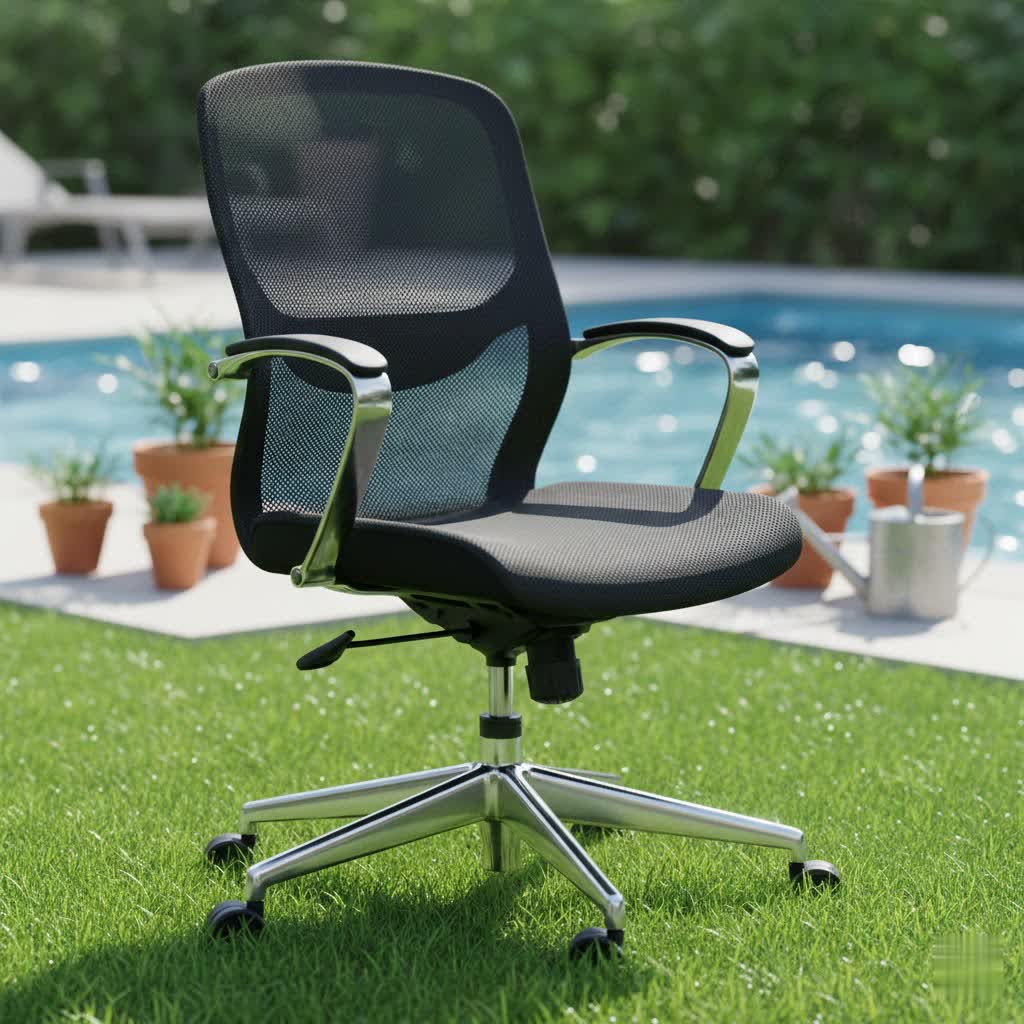
In the dynamic landscape of modern office design, where functionality often takes precedence, the office accent chair emerges as a powerful statement piece. Beyond its primary role as supplementary seating, an accent chair is an opportunity to infuse personality, define spaces, and significantly enhance the aesthetic appeal of any professional environment. Whether you’re furnishing a bustling reception area, a private executive office, or a chic home workspace, selecting the right office accent chair can transform an ordinary room into an inviting and inspiring space. This guide will walk you through everything you need to know, from understanding different types and crucial considerations to making a smart investment that blends style with practicality.
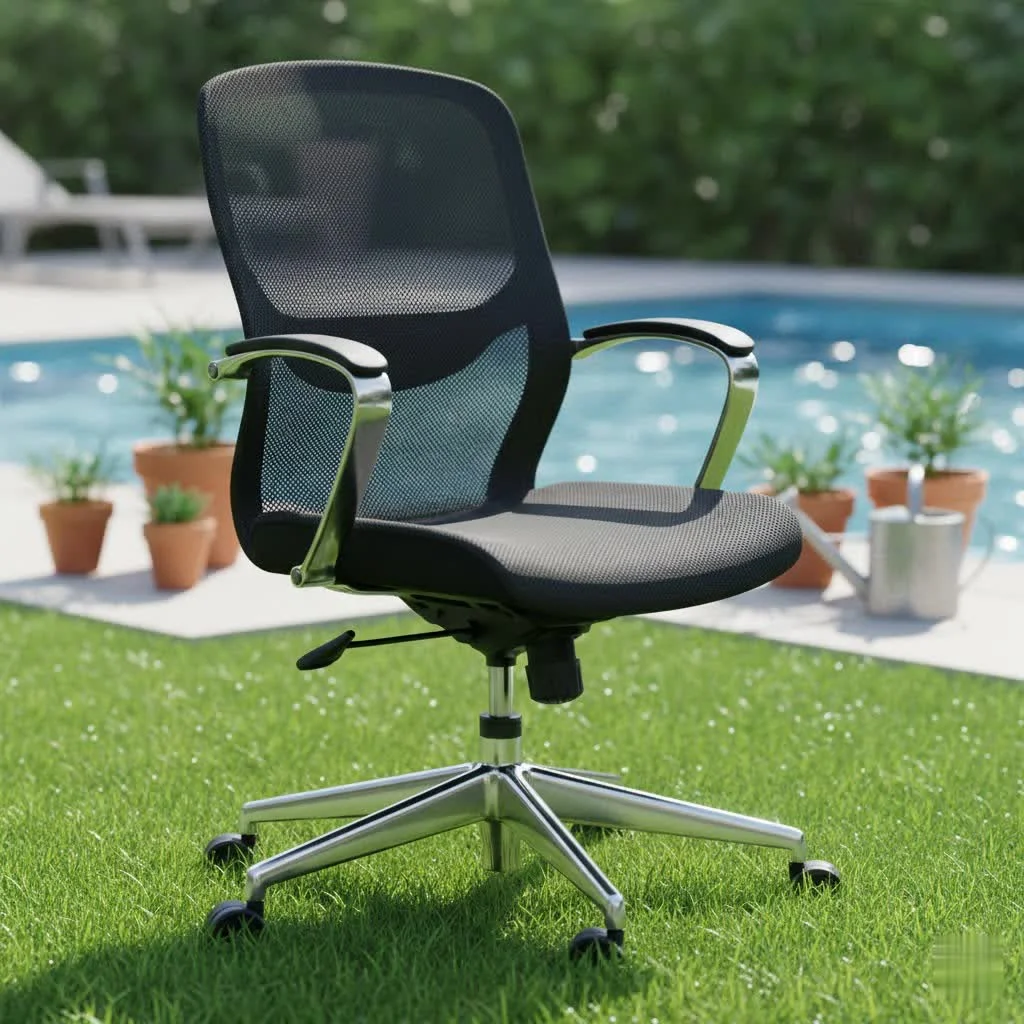
Popular Types of Office Accent Chairs
Office accent chairs come in a diverse array of designs, each offering a unique blend of style and function to complement various office settings. Understanding these common types can help you narrow down the best fit for your specific needs.
- Barrel Chairs: Characterized by their curved backs that wrap around the sitter, barrel chairs offer a cozy, enclosed feel. They are excellent for creating intimate conversation areas or adding a touch of sophisticated comfort to a reception lounge. Their often compact footprint makes them versatile for many spaces.
- Slipper Chairs: These armless accent chairs feature a low profile and a slightly reclined back, making them appear sleek and less imposing. Slipper chairs are ideal for smaller offices or as additional seating that doesn’t obstruct sightlines, offering a minimalist yet comfortable option.
- Lounge Chairs: Designed for relaxation, office lounge chairs typically boast a more generous size, deeper seating, and often a more relaxed angle. They are perfect for executive offices, quiet reading nooks, or break areas where comfort is paramount for short periods of respite.
- Armchairs: A broad category, armchairs simply refer to accent chairs equipped with arms. They can range from traditional upholstered designs to modern, sculptural forms. The presence of arms generally enhances comfort and offers a more formal seating experience, making them suitable for guest seating in professional settings.
- Swivel Accent Chairs: Adding dynamic flexibility, swivel accent chairs allow occupants to effortlessly turn and engage with different parts of a room without repositioning the entire chair. This feature is particularly useful in collaborative spaces, private offices where you might face a desk and then turn to guests, or in multi-functional waiting areas.
- Guest/Reception Chairs: While a broader category, many guest and reception chairs are inherently designed to function as accent pieces. They prioritize durability, ease of maintenance, and comfortable short-term seating, often featuring clean lines and robust construction suitable for high-traffic public areas.
Important Factors When Selecting an Office Accent Chair
Choosing the ideal office accent chair involves balancing aesthetics with practical considerations to ensure it meets both your design aspirations and functional requirements.
Comfort and Support
|
Our Picks for the Best Office Chair in 2026
As an Amazon Associate I earn from qualifying purchases.
|
||
| Num | Product | Action |
|---|---|---|
| 1 | Amazon Basics Classic Puresoft PU Padded Mid-Back Height Adjustable Office Computer Desk Chair with Armrest, 26"D x 23.75"W x 42"H, Black |

|
| 2 | Monhey Desk Computer Chairs - Ergonomic with Lumbar Support & Flip-up Arms Home Office Height Adjustable High Back Rockable Swivel 360° Warm Taupe Mesh Study Chair |
|
| 3 | Ergonomic Office Chair with Footrest - Adjustable Lumbar Support & Headrest, 90-160° Reclining Mesh Back Computer Chair - Home Office/Gaming, 350lbs Capacity (SGS Certified) |
|
| 4 | TRALT Office Chair Ergonomic Desk Chair, 330 LBS Home Mesh Office Desk Chairs with Wheels, Comfortable Gaming Chair, High Back Office Chair for Long Hours (Black) |
|
| 5 | Sweetcrispy Office Computer Desk Chair, Ergonomic High-Back Mesh Rolling Work Chairs with Wheels and Adjustable Headrests, Comfortable Lumbar Support, Comfy Flip-up Arms for Home, Bedroom, Study,Black |
|
| 6 | TRALT Office Chair Ergonomic Desk Chair, 330 LBS Home Mesh Office Desk Chairs with Wheels, Comfortable Gaming Chair, High Back Office Chair for Long Hours (White) |
|
| 7 | Amazon Basics Classic Puresoft PU Padded Mid-Back Height Adjustable Office Computer Desk Chair with Armrest, 26"D x 23.75"W x 42"H, Cream |
|
| 8 | TRALT Office Chair - Ergonomic Desk Chair with Adjustable Lumbar Support, Mesh Computer Chair, Executive Chairs for Home Office Comfortable Lumbar Support (Black) |
|
| 9 | Marsail Ergonomic Office Chair: Office Desk Chair with High Back Mesh and Adjustable Lumbar Support Rolling Work Swivel Task Chairs with Wheel 3D Armrests and Headrest |
|
| 10 | BestOffice - Ergonomic Office Chair - Mid-Back Swivel Desk Chair - Breathable Backrest & Lumbar Support - Adjustable Height - Sponge Seat - Rolling Wheels - Black - for Adults & Women |
|
While not intended for prolonged task work, an office accent chair should still offer a pleasant seating experience for guests or short-term use. Look for adequate padding in the seat and backrest. The design of the backrest, whether a gentle curve or a more upright structure, impacts how supportive it feels. Integrated armrests can also enhance comfort, providing a place for guests to rest their arms. Breathable upholstery materials also contribute significantly to comfort, especially in warmer climates.
Material
The material choice for your office accent chair profoundly influences its look, feel, durability, and maintenance needs.
- Fabric: Options like velvet offer a luxurious touch and rich texture, ideal for creating a plush, high-end feel. Linen provides a natural, sophisticated look, while bouclé brings a soft, textured, and contemporary vibe. Fabric chairs are comfortable and versatile in color but may require more diligent cleaning.
- Leather/Faux Leather: These materials exude professionalism and are remarkably durable and easy to clean, making them excellent choices for high-traffic office areas. Leather ages gracefully, adding character, while high-quality faux leather offers a similar aesthetic at a more accessible price point.
- Mesh/Polypropylene: Commonly found in modern guest and reception chairs, these materials are celebrated for their exceptional durability, breathability, and ease of maintenance. They are particularly well-suited for environments where hygiene and longevity are priorities.
Adjustability
Unlike ergonomic task chairs, adjustability is less of a primary concern for accent chairs. However, some models, particularly swivel accent chairs, offer rotational movement which enhances their functionality and user interaction within a space. Features like glides rather than wheels are often preferred for stationary guest seating.
Durability and Lifespan
An office accent chair represents an investment, so its durability is paramount.
- Frame Construction: A robust frame made from solid wood, steel, or high-quality alloy ensures stability and longevity. These materials withstand frequent use and contribute to the chair’s overall structural integrity.
- Upholstery Quality: High-quality upholstery fabrics and leathers are designed to resist wear and tear, maintaining their appearance over time. Commercial-grade fabrics often come with higher rub counts, indicating superior durability.
- Weight Capacity: Always check the chair’s maximum weight capacity to ensure it can safely accommodate a wide range of users, which is particularly important in public or semi-public office settings.
Size and Style
The dimensions and aesthetic of your accent chair should harmonize with both the physical space and the existing interior design.
- Fitting the Space: Measure your designated area carefully. Compact, armless chairs are excellent for tight corners, while an oversized lounge chair can anchor a large open-plan office or waiting area.
- Complementing Office Decor: Choose a style that aligns with your office’s overall aesthetic. Sleek lines and neutral tones suit modern and minimalist offices. Traditional designs with decorative details or classic upholstery can enhance a more conventional executive space. Mid-century modern designs offer a timeless, sophisticated appeal.
- Color and Texture Choices: Accent chairs are fantastic for introducing a “pop” of color or a new texture to break up monotony. They can either match existing furniture for a cohesive look or provide a striking contrast to create a focal point.
Comparison of Office Accent Chair Styles
| Style/Type | Key Characteristics | Best For | Pros | Cons | Estimated Price Range |
|---|---|---|---|---|---|
| Barrel Chair | Curved back, often upholstered, compact | Reception areas, small lounges, private offices | Cozy, stylish, good for small spaces | Limited ergonomic support, can feel enclosed | $$ – $$$ |
| Slipper Chair | Armless, low profile, slightly reclined | Small offices, minimalist designs, guest seating | Sleek, space-saving, modern aesthetic | Less arm support, more decorative than functional | $ – $$ |
| Lounge Chair | Generous size, deep seating, relaxed angle | Executive offices, breakrooms, reading nooks | High comfort for short rests, inviting | Can be bulky, not suitable for task work | $$$ – $$$$ |
| Swivel Chair | Rotational base, varied designs | Collaborative zones, versatile private offices | Dynamic, flexible, allows for engagement | Can take up more floor space than fixed chairs | $$ – $$$$ |
| Guest Chair | Durable, often armrests, varied materials | Waiting rooms, conference rooms, visitor seating | Robust, easy to maintain, professional | Often less decorative, basic comfort | $ – $$ |
A Guide to Buying the Right Office Accent Chair
Navigating the market for an office accent chair can be exciting. By following a structured approach, you can ensure your choice perfectly aligns with your expectations.
Define Your Needs
Before diving into options, clarify the primary purpose of the chair. Will it serve as primary guest seating in a high-traffic waiting room, a casual lounge spot in a breakroom, or a decorative element in a private office? Consider how many hours a day it will be used, if any specific health considerations (like mild back support) are needed, and what your realistic budget is. Also, assess your office’s existing decor style – is it modern, traditional, industrial, or eclectic?
Research Product Information
Once you have a clearer idea of your needs, dedicate time to researching specific products. Read reviews from other buyers to gauge real-world comfort and durability. Pay close attention to material specifications to understand cleaning requirements and longevity. Carefully check product dimensions to ensure the chair will fit your space without overwhelming it or feeling too small. Look for chairs with strong warranties as an indicator of manufacturer confidence in their product.
Consider In-Person Experience
Whenever possible, try to experience the chair in person. Sitting in a chair allows you to assess its comfort, the feel of its upholstery, and its scale within a physical space in a way that online photos cannot. Test any features like swiveling or reclining to ensure they operate smoothly and meet your expectations. This step is particularly valuable for understanding the true texture and color of materials.
Choose Reputable Retailers
Purchase your office accent chair from established retailers known for quality office furniture. Reputable vendors typically offer clear warranty policies, robust customer service, and straightforward return or exchange options. This provides peace of mind and protection for your investment. Online retailers specializing in commercial or high-end furniture are often good sources.
Reputable Office Accent Chair Brands
While specific models vary, several types of brands consistently offer high-quality office accent chairs suitable for diverse professional environments:
- Commercial Office Furniture Brands: Companies like National Business Furniture, Allseating, and Office Source specialize in durable, contract-grade furniture designed for commercial use. They often prioritize longevity, ease of maintenance, and professional aesthetics, making them ideal for reception areas and guest seating.
- Design-Focused Retailers: Many contemporary and luxury home furnishing brands also offer accent chairs that seamlessly transition into office settings, providing unique design elements and high-end materials. These might include brands found at stores like Wayfair (for a wide selection) or specialized design showrooms.
- Value-Oriented Brands: For those on a tighter budget, several brands focus on providing stylish and functional accent chairs at more accessible price points, often found through large online marketplaces or general furniture retailers.
Tips for Using and Maintaining Your Office Accent Chair
To ensure your office accent chair continues to look its best and serve its purpose effectively, consider these practical tips.
Regularly clean your chair according to its material. Fabric upholstery might require vacuuming and occasional spot treatment, while leather or faux leather can often be wiped down with a damp cloth and specialized cleaners. Strategically place your accent chair to maximize both its visual impact and its functionality. Use it to define a seating zone, add a splash of color to a neutral corner, or provide comfortable visitor seating. While accent chairs are inviting, it’s crucial to remember they are not designed for prolonged ergonomic task work. For daily desk work, invest in a dedicated ergonomic office chair to support your posture and health. Periodically inspect your chair for any signs of wear and tear, such as loose legs, worn upholstery, or squeaky swivels, and address them promptly to extend its lifespan.
“A well-chosen office accent chair is more than just a seat; it’s a strategic design element that communicates your brand’s style and prioritizes visitor comfort, transforming an ordinary space into an exceptional experience.”
Conclusion
The office accent chair, often overlooked, holds immense potential to transform a workspace from merely functional to strikingly stylish and welcoming. By thoughtfully considering the diverse types available, prioritizing factors like material, durability, and how it integrates with your existing decor, you can select a piece that truly elevates your office environment. Remember, this chair is an opportunity to inject personality, offer comfort, and make a lasting impression. Investing in the right office accent chair is investing in a more aesthetically pleasing, functional, and inviting professional space. How will you use an accent chair to redefine your office’s personality?
Frequently Asked Questions
Are office accent chairs ergonomic?
Generally, no. Office accent chairs are primarily designed for aesthetic appeal and supplementary, short-term seating rather than prolonged ergonomic support. They typically lack the adjustability and specialized features of ergonomic task chairs, which are built to support proper posture during extended work sessions.
What materials are best for office accent chairs?
The best material depends on the chair’s location and intended use. For high-traffic areas like reception rooms, durable and easy-to-clean materials like commercial-grade faux leather, vinyl, or certain synthetic fabrics are excellent. For private offices or lounges where style is paramount, rich fabrics like velvet or high-quality leather can add a touch of luxury and sophistication.
How much should I spend on an office accent chair?
The price of an office accent chair varies widely based on material, brand, design complexity, and durability. You can find basic guest chairs for a few hundred dollars, while high-end designer accent chairs for executive offices or luxury lounges can cost upwards of a thousand or more. It’s best to set a budget based on your needs, prioritizing durability and commercial-grade construction for high-use areas.
Get our weekly buyer guide
Practical specs, not advice. Unsubscribe anytime.

This was super helpful for furnishing our new reception area. We needed something durable but also stylish to make a good first impression. The advice on considering material and construction for high-traffic areas was spot on. We chose a faux leather option that’s easy to clean and looks really sharp.
I was really struggling to find something that would work in my home office without looking too ‘officey’. This guide helped me realize an accent chair was exactly what I needed. I ended up getting a mid-century modern style, and it totally transformed the corner into a cozy reading nook. It’s comfortable for short breaks and looks fantastic.
I appreciate the breakdown of different types of chairs. I went with a wingback accent chair for my executive office, hoping for that classic, sophisticated look. While it definitely adds personality, I find it’s not as comfortable for longer periods as I’d hoped. It’s great for quick meetings, but I wouldn’t want to sit in it all day.
I’ve been wanting to upgrade my small business waiting room, and this guide gave me the confidence to pick out an accent chair. I focused on finding something that would define the space without making it feel cramped. The barrel chair suggestion was perfect; it’s compact but still makes a statement and is surprisingly comfy.