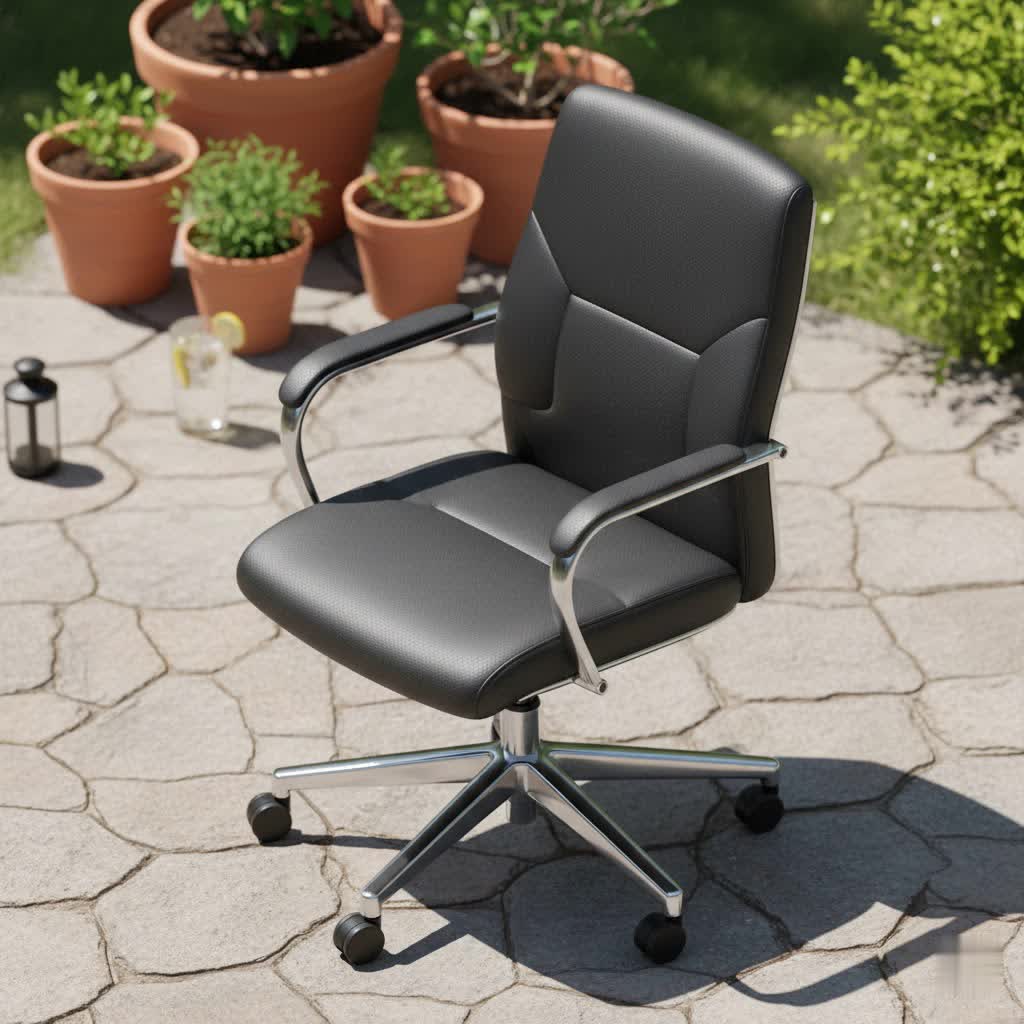
In a world that often celebrates mobility, the idea of an office chair without wheels might seem counterintuitive. However, for many, a stationary office chair offers a uniquely stable, focused, and aesthetically pleasing alternative to its wheeled counterparts. If you’ve ever found yourself constantly rolling away from your desk, struggling with floor damage, or simply craving a more grounded workspace, then a no-wheel office chair could be your perfect solution. This comprehensive guide will explore the diverse types, crucial benefits, and essential considerations for selecting the ideal office chair without wheels to enhance your comfort, productivity, and office aesthetic.
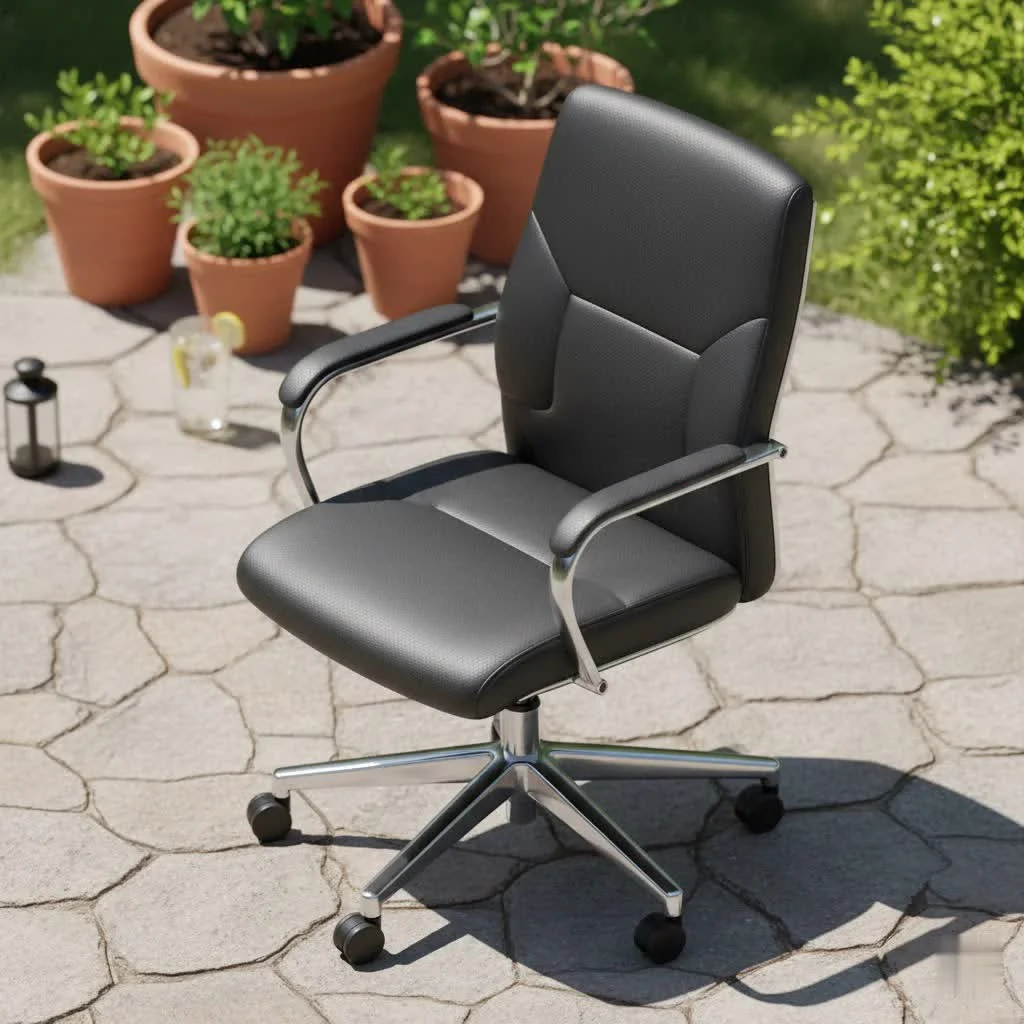
Types of Office Chairs Without Wheels
Office chairs without wheels come in various designs, each offering distinct advantages in terms of stability, style, and integration into different workspaces. Understanding these types is the first step in finding your perfect match. For more office chair guides on this site.
Sled Base Chairs
Sled base chairs feature a continuous loop of metal or wood that forms the base, resembling a sled. This design offers excellent stability and prevents tipping, making them a popular choice for conference rooms, reception areas, and contemporary offices. Their sleek profile often contributes to a modern and minimalist aesthetic.
Four-Legged/Fixed Leg Chairs
These traditional chairs stand on four individual legs, much like a dining chair. They provide robust stability and are often chosen for their classic appearance, fitting seamlessly into both home and corporate environments. Many ergonomic designs incorporate fixed legs, ensuring essential support without the distraction of movement.
Criss-Cross Base Chairs
A more contemporary take, criss-cross base chairs feature legs that intersect beneath the seat, offering a stable yet often visually lighter profile. They can be found in various materials, from metal to wood, and frequently appear in modern home offices or creative studios where style is paramount.
Active Sitting Stools
While not traditional chairs, active sitting stools are a specialized category designed to promote movement and engagement. Often armless and backless, or with minimal back support, these stools typically feature a rounded or weighted base that allows for gentle swaying or tilting, encouraging core strength and dynamic posture without wheels.
Accent Chairs (Repurposed for Office)
Many comfortable accent chairs, originally designed for living rooms or waiting areas, are increasingly repurposed as office chairs without wheels. These chairs prioritize aesthetics and comfort, often featuring plush upholstery and unique designs, making them suitable for home offices where the boundary between work and living space is blurred.
Key Factors to Consider When Buying an Office Chair Without Wheels
Choosing the right stationary office chair involves more than just picking a design you like. Several critical factors contribute to long-term comfort, support, and satisfaction.
Comfort and Support
|
Our Picks for the Best Office Chair in 2026
As an Amazon Associate I earn from qualifying purchases.
|
||
| Num | Product | Action |
|---|---|---|
| 1 | Sweetcrispy Office Computer Desk Chair, Ergonomic High-Back Mesh Rolling Work Chairs with Wheels and Adjustable Headrests, Comfortable Lumbar Support, Comfy Flip-up Arms for Home, Bedroom, Study,Black |

|
| 2 | BestOffice - Ergonomic Office Chair - Mid-Back Swivel Desk Chair - Breathable Backrest & Lumbar Support - Adjustable Height - Sponge Seat - Rolling Wheels - Black - for Adults & Women |
|
| 3 | Amazon Basics Classic Puresoft PU Padded Mid-Back Height Adjustable Office Computer Desk Chair with Armrest, 26"D x 23.75"W x 42"H, Cream |
|
| 4 | Ergonomic Office Chair with Footrest - Adjustable Lumbar Support & Headrest, 90-160° Reclining Mesh Back Computer Chair - Home Office/Gaming, 350lbs Capacity (SGS Certified) |
|
| 5 | TRALT Office Chair - Ergonomic Desk Chair with Adjustable Lumbar Support, Mesh Computer Chair, Executive Chairs for Home Office Comfortable Lumbar Support (Black) |
|
| 6 | Amazon Basics Classic Puresoft PU Padded Mid-Back Height Adjustable Office Computer Desk Chair with Armrest, 26"D x 23.75"W x 42"H, Black |
|
| 7 | Marsail Ergonomic Office Chair: Office Desk Chair with High Back Mesh and Adjustable Lumbar Support Rolling Work Swivel Task Chairs with Wheel 3D Armrests and Headrest |
|
| 8 | TRALT Office Chair Ergonomic Desk Chair, 330 LBS Home Mesh Office Desk Chairs with Wheels, Comfortable Gaming Chair, High Back Office Chair for Long Hours (Black) |
|
| 9 | TRALT Office Chair Ergonomic Desk Chair, 330 LBS Home Mesh Office Desk Chairs with Wheels, Comfortable Gaming Chair, High Back Office Chair for Long Hours (White) |
|
| 10 | Monhey Desk Computer Chairs - Ergonomic with Lumbar Support & Flip-up Arms Home Office Height Adjustable High Back Rockable Swivel 360° Warm Taupe Mesh Study Chair |
|
A good office chair, regardless of wheels, must prioritize your well-being. Look for features that support your body during long hours of sitting.
- Backrest: Essential for spinal health, a supportive backrest should ideally have built-in lumbar support to maintain the natural curve of your lower back. Some models offer adjustable backrests, allowing you to customize the angle and height for optimal comfort.
- Seat Cushion: The seat needs to be adequately padded to prevent pressure points, while also being firm enough to provide support. Breathable materials are a plus, especially if you live in a warmer climate. Ensure the seat depth is appropriate for your thighs, allowing your feet to rest flat on the floor or a footrest.
- Armrests: While many no-wheel chairs are armless for a compact look, those with armrests should ideally be comfortable and positioned to support your arms without shrugging your shoulders. Adjustable armrests are a bonus, allowing for personalized fitting under your desk.
Material
The material of your chair impacts its comfort, durability, and aesthetic integration into your space.
- Mesh: Known for its breathability, mesh backs are excellent for airflow, keeping you cool during long work sessions. It’s often found in more modern, ergonomic designs.
- Leather/Faux Leather: These materials exude a sense of luxury and are typically easy to clean, though they might not be as breathable as mesh. They are popular for executive or more traditional office settings.
- Fabric: Offering a wide range of colors and textures, fabric chairs can be very comfortable and provide a softer feel. They are versatile and can fit various decor styles.
- Wood/Plastic: Often used for the frame or entire chair in minimalist or contemporary designs. These materials offer durability and a clean aesthetic, though cushioning is vital for comfort.
Adjustability
Even without wheels, adjustability remains crucial for achieving an ergonomic setup that suits your unique body.
- Seat Height: The ability to adjust the seat height is paramount to ensure your feet are flat on the floor (or a footrest) and your knees are at a 90-degree angle, promoting good posture.
- Backrest Angle/Tilt: Some advanced stationary chairs offer reclining or tilting features, allowing you to change your posture throughout the day and alleviate pressure.
Durability and Longevity
An office chair is an investment in your health and productivity, so durability is key.
- Frame: Inspect the frame material. Steel, aluminum alloy, or solid hardwood are indicators of a sturdy and long-lasting chair.
- Base: For fixed-leg chairs, ensure the legs are robust and well-attached. For sled bases, check the quality of the continuous loop and its connection points.
- Weight Capacity: Always check the manufacturer’s specified weight capacity to ensure the chair can safely and comfortably support you.
Size and Style
Your stationary office chair should not only be functional but also complement your workspace.
- Fit Your Physique: Choose a chair that matches your height and build. A chair that is too large or too small can compromise comfort and ergonomic benefits.
- Harmonize with Decor: Consider the overall aesthetic of your office. Whether you prefer a minimalist, traditional, modern, or eclectic style, there’s a no-wheel chair design to match, contributing to a cohesive and inspiring environment.
Benefits of Choosing a Stationary Office Chair
Opting for an office chair without wheels brings a unique set of advantages that can significantly enhance your work experience and environment.
- Enhanced Stability and Safety: One of the primary benefits is unwavering stability. These chairs stay exactly where you place them, eliminating the risk of accidental rolling, which can be particularly beneficial for children, elderly users, or anyone preferring a truly fixed position. This stability fosters a sense of security and focus.
- Floor Protection: Without wheels, you eliminate concerns about scratching hardwood floors, snagging carpets, or getting stuck on uneven surfaces. This preserves your flooring and removes the need for expensive chair mats, making it an excellent choice for any floor type.
- Reduced Distraction and Improved Focus: The absence of wheels means no subconscious rolling, swiveling, or fidgeting. This can lead to increased concentration, allowing you to remain grounded and fully immersed in your tasks without physical distractions.
- Aesthetic Appeal and Space-Saving Designs: Many non-wheeled chairs boast sleeker, more minimalist designs that integrate beautifully into various interior aesthetics. They often appear less “office-like” and can seamlessly blend into home environments, guest rooms, or reception areas. Their fixed footprint can also be advantageous in smaller spaces where every inch counts.
- Quieter Operation: Say goodbye to the squeaks and rumbles of rolling casters. Stationary chairs offer a silent seating solution, ideal for quiet workspaces, recording studios, or shared environments where noise reduction is appreciated.
- Can Encourage Better Posture: While not universally true, some argue that the fixed nature of these chairs can encourage better posture by reducing the tendency to slouch or twist your body to reach for items. Instead, you’re prompted to stand and move, which is beneficial for overall health.
Disadvantages to Keep in Mind
While offering numerous benefits, office chairs without wheels also come with certain limitations that are important to consider before making a purchase.
- Lack of Mobility/Flexibility: The most obvious drawback is the inability to move around your workspace effortlessly. If your tasks require frequent movement between multiple monitors, filing cabinets, or different areas of your desk, a stationary chair can become cumbersome.
- Potential for Difficult Repositioning: Without wheels, repositioning the chair, whether to adjust your distance from the desk or simply to move it out of the way, requires physically lifting or sliding it. This can be challenging if the chair is heavy or if you frequently change your setup.
How to Choose the Right Office Chair Without Wheels
Finding the perfect stationary office chair is a personal journey. Here’s a step-by-step guide to help you make an informed decision.
Assess Your Needs
Before diving into options, understand your specific requirements.
- Hours Spent Sitting Daily: How long will you typically be sitting in this chair? For extended periods (4+ hours), prioritize robust ergonomic features.
- Any Existing Back or Posture Issues? If so, seek chairs with superior lumbar support and adjustability recommended by health professionals.
- Budget: Determine a realistic budget. Stationary chairs come in a wide price range, from budget-friendly options to high-end ergonomic models.
Research Thoroughly
Knowledge is power when it comes to furniture investments.
- Read Reviews and Compare Products: Look for honest reviews from other users who have similar needs. Compare features, materials, and overall user satisfaction across different models.
- Watch Video Reviews: Videos can provide a more dynamic perspective on a chair’s design, size, and real-world functionality.
- Seek User Opinions: Online forums or communities dedicated to office furniture can offer valuable insights and recommendations.
In-Store Experience (if possible)
Nothing beats hands-on experience.
- Sit and Test the Chair: If possible, visit a showroom to physically sit in the chair. Pay attention to how your body feels after a few minutes.
- Adjust Features: Experiment with any adjustable features like seat height or backrest tilt to see if they cater to your comfort zone.
- Check Quality: Inspect the materials, stitching, and construction for signs of durability and craftsmanship.
Purchase from Reputable Retailers
Protect your investment by choosing wisely where you buy.
- Clear Warranty: Ensure the retailer and manufacturer offer a transparent warranty policy that covers potential defects or issues.
- Return Policy: A generous return policy provides peace of mind in case the chair doesn’t meet your expectations once you’ve tried it in your own space.
Tips for Using and Maintaining Your Stationary Office Chair
Once you’ve found your ideal office chair without wheels, proper usage and maintenance will ensure its longevity and your continued comfort.
- Regular Cleaning: Keep your chair looking new and hygienic by cleaning it regularly according to the material’s specifications. Dust the frame and vacuum fabric or mesh to prevent dirt buildup.
- Adjust for Proper Posture: Even without wheels, many stationary chairs offer adjustments. Take the time to set the seat height and backrest angle to support an upright posture with your feet flat and back aligned.
- Avoid Prolonged Static Sitting: While stationary chairs encourage focus, it’s still crucial to take regular breaks. Stand up, stretch, and move around every 30-60 minutes to promote blood circulation and reduce stiffness.
- Periodic Checks for Stability: For chairs with fixed legs, periodically check that all connections are secure and the legs are level. Tighten any loose screws to maintain optimal stability and prevent wobbling.
“A well-chosen office chair, even without wheels, is an investment in your health and productivity.”
Conclusion
The pursuit of the perfect office chair often overlooks the quiet strength and grounded elegance of a model without wheels. For those prioritizing unwavering stability, a clean aesthetic, or protection for delicate flooring, these chairs present a compelling and often superior alternative. By understanding the diverse types, focusing on ergonomic considerations, and assessing your personal workspace needs, you can confidently select an office chair without wheels that supports your well-being, enhances your focus, and seamlessly integrates into your environment. It’s time to discover how a more grounded approach to seating can elevate your daily work experience.
Have you ever found that less mobility led to greater productivity in your workspace?
Frequently Asked Questions
Are ergonomic office chairs without wheels good for health?
Yes, absolutely. Many office chairs without wheels are designed with strong ergonomic principles, offering excellent lumbar support, adjustable features like seat height and backrest angle, and comfortable cushioning. Their stability can also encourage better posture by reducing unconscious shifting and promoting mindful breaks.
Should I choose a leather or mesh stationary office chair?
The choice between leather and mesh depends on your priorities. Mesh excels in breathability, making it ideal for warmer climates or prolonged sitting. Leather offers a luxurious feel and is easier to clean but can retain heat. Consider your environment, personal comfort preferences, and desired aesthetic when deciding.
How much does a good office chair without wheels cost?
The price range for quality office chairs without wheels varies significantly, typically from $100 for basic yet comfortable models to over $500 for high-end ergonomic designs with premium materials and advanced adjustability. Your budget should align with the features, durability, and ergonomic support you require for your daily use.
Get our weekly buyer guide
Practical specs, not advice. Unsubscribe anytime.
