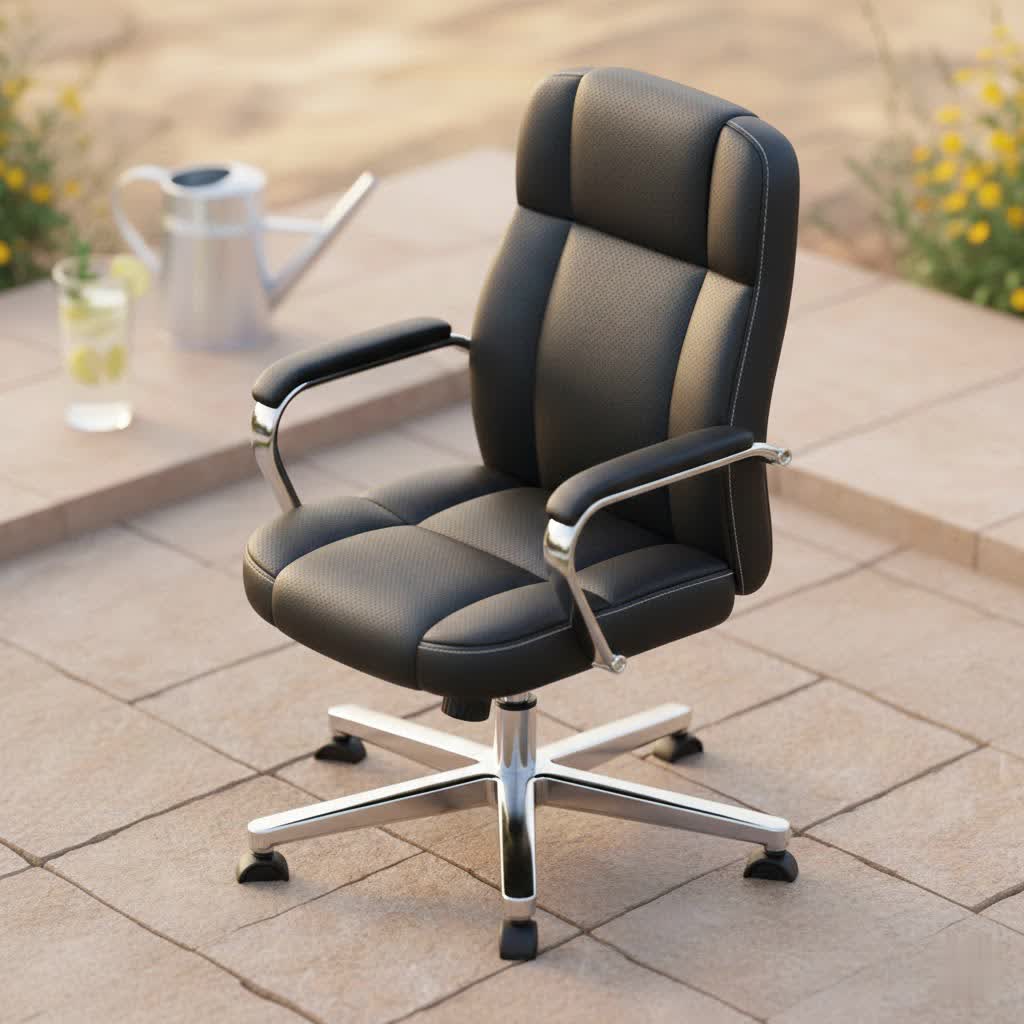
You spend countless hours in your office chair, navigating your workspace with ease. But have you ever considered the unsung heroes beneath you? Your office chair wheels, also known as casters, are pivotal to both your comfort and the longevity of your flooring. Often an overlooked component, the right set of wheels can transform your workspace, offering silent, effortless glides, while the wrong ones can lead to annoying squeaks, sluggish movement, and even permanent damage to your floors. This comprehensive guide will delve into everything you need to know about office chair wheels, helping you make an informed choice that suits your unique needs and workspace.
Understanding Office Chair Wheels: More Than Just Rollers
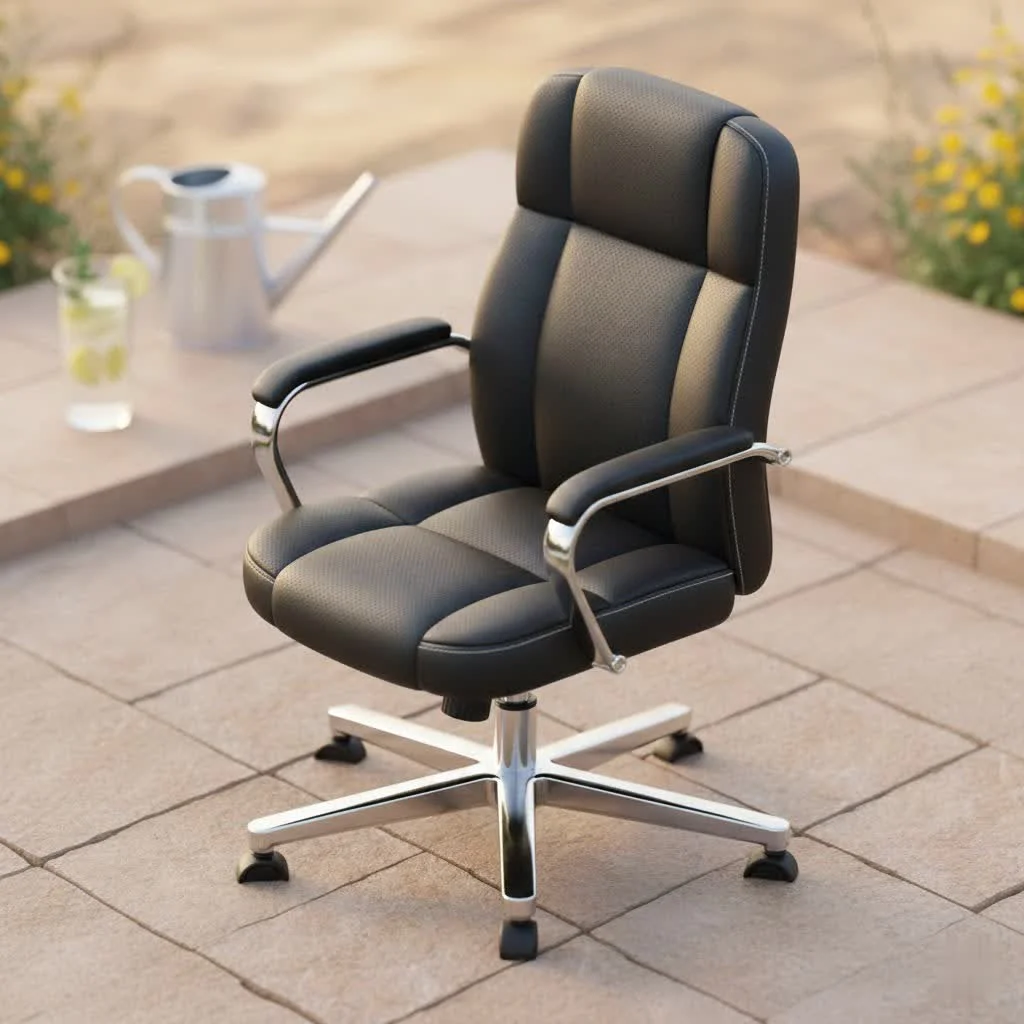
At the core of your office chair’s mobility lies the caster – the complete wheel assembly attached to the chair’s base. Casters serve two primary functions: providing seamless mobility and ensuring stability. They enable you to glide across your floor, reach for documents, or simply shift positions without straining. Beyond mere movement, well-chosen casters also act as a crucial protective barrier, shielding your valuable flooring from unsightly scratches, scuffs, and indentations. Understanding their importance is the first step toward a more comfortable and productive work environment. For browse all office chair articles on this site.
Types of Office Chair Wheels for Every Need
Office chair wheels come in a variety of types, each engineered for specific flooring and usage conditions. Choosing the right kind is essential for optimal performance and floor protection.
Hard Casters (Nylon or Hard Plastic)
These wheels are typically made from hard plastic or tough nylon. They are designed to “cut through” carpet fibers, making them ideal for carpeted offices where they provide necessary traction and easier movement. However, using hard casters on hard surfaces like wood, tile, or laminate can lead to scratches and marks, as they do not offer cushioning.
Soft Casters (Polyurethane, Rubber, or Neoprene)
In contrast, soft casters feature a rubberized tread, often made from polyurethane (PU), soft rubber, or neoprene. These are the preferred choice for hard floors, including hardwood, tile, laminate, and polished concrete. Their softer material cushions movement, absorbs small vibrations, rolls quietly, and, most importantly, prevents scratches and damage to delicate surfaces. Polyurethane casters are particularly popular as they combine the toughness of metal with the softness of rubber, offering durability without sacrificing floor protection.
Rollerblade Style Casters
Gaining significant popularity, rollerblade-style casters feature larger wheels, often with a soft polyurethane tread. They are designed to glide effortlessly and quietly over a wide range of surfaces, from hard floors to low-pile carpets. Their larger diameter generally provides lower rolling resistance, making movement smoother and more ergonomic. They also tend to accumulate less dirt and debris compared to traditional casters.
Locking Casters
|
Our Picks for the Best Office Chair in 2026
As an Amazon Associate I earn from qualifying purchases.
|
||
| Num | Product | Action |
|---|---|---|
| 1 | Sweetcrispy Office Computer Desk Chair, Ergonomic High-Back Mesh Rolling Work Chairs with Wheels and Adjustable Headrests, Comfortable Lumbar Support, Comfy Flip-up Arms for Home, Bedroom, Study,Black |

|
| 2 | Ergonomic Office Chair with Footrest - Adjustable Lumbar Support & Headrest, 90-160° Reclining Mesh Back Computer Chair - Home Office/Gaming, 350lbs Capacity (SGS Certified) |
|
| 3 | BestOffice - Ergonomic Office Chair - Mid-Back Swivel Desk Chair - Breathable Backrest & Lumbar Support - Adjustable Height - Sponge Seat - Rolling Wheels - Black - for Adults & Women |
|
| 4 | TRALT Office Chair Ergonomic Desk Chair, 330 LBS Home Mesh Office Desk Chairs with Wheels, Comfortable Gaming Chair, High Back Office Chair for Long Hours (White) |
|
| 5 | Marsail Ergonomic Office Chair: Office Desk Chair with High Back Mesh and Adjustable Lumbar Support Rolling Work Swivel Task Chairs with Wheel 3D Armrests and Headrest |
|
| 6 | Amazon Basics Classic Puresoft PU Padded Mid-Back Height Adjustable Office Computer Desk Chair with Armrest, 26"D x 23.75"W x 42"H, Cream |
|
| 7 | TRALT Office Chair Ergonomic Desk Chair, 330 LBS Home Mesh Office Desk Chairs with Wheels, Comfortable Gaming Chair, High Back Office Chair for Long Hours (Black) |
|
| 8 | Monhey Desk Computer Chairs - Ergonomic with Lumbar Support & Flip-up Arms Home Office Height Adjustable High Back Rockable Swivel 360° Warm Taupe Mesh Study Chair |
|
| 9 | TRALT Office Chair - Ergonomic Desk Chair with Adjustable Lumbar Support, Mesh Computer Chair, Executive Chairs for Home Office Comfortable Lumbar Support (Black) |
|
| 10 | Amazon Basics Classic Puresoft PU Padded Mid-Back Height Adjustable Office Computer Desk Chair with Armrest, 26"D x 23.75"W x 42"H, Black |
|
For situations where you need your chair to remain stationary, locking casters are invaluable. These wheels include a brake mechanism that allows you to secure your chair in place, preventing unwanted movement during focused tasks, meetings, or when getting in and out of the chair.
Twin-Wheel vs. Single-Wheel Casters
Most office chairs come equipped with twin-wheel casters, featuring two wheels attached to a single frame. This design offers better weight distribution and allows for easier changes in direction. Single-wheel casters, while often stronger due to fewer moving parts, are more commonly found in industrial applications rather than standard office furniture.
Key Factors to Consider When Choosing Office Chair Wheels
Selecting the perfect office chair wheels involves more than just picking a color. Several critical factors influence their performance, durability, and compatibility with your workspace.
Floor Type is Paramount
Your flooring dictates the optimal wheel material. For hard surfaces like hardwood, laminate, tile, or vinyl, prioritize soft casters made of polyurethane, rubber, or neoprene. These materials are non-marking and provide a silent, smooth glide, absorbing impacts and protecting your floor from damage. Conversely, for carpeted floors, hard plastic or nylon casters are more effective. They are designed to move across carpet fibers without sinking, maintaining traction and ease of movement.
Material Matters for Durability and Performance
The composition of your casters directly impacts their longevity and functionality.
- Nylon: A durable and lightweight plastic, excellent for carpeted areas. It’s often an affordable option.
- Polyurethane (PU): A versatile material that offers a balance of durability and softness, making it an excellent choice for hard floors. It rolls smoothly and quietly and is highly resistant to wear.
- Rubber: Known for its soft tread, rubber absorbs noise and vibrations, providing a comfortable ride on hard floors. However, pure rubber can wear down faster with heavy use compared to polyurethane blends.
- Metal: While robust and ideal for heavy-duty industrial settings, metal casters like steel or aluminum are generally not recommended for delicate office floors as they can cause significant scratches and damage.
Weight Capacity
Ensure the casters can support the combined weight of your chair and yourself. Standard office chair casters are typically rated for at least 250 pounds, but heavy-duty options are available that can support up to 650 pounds or more, providing long-term durability, especially for larger users or chairs designed for intensive use.
Wheel Size and Maneuverability
The diameter of your casters influences how easily your chair rolls. Larger wheels (typically 3 inches or more) generally offer lower rolling resistance, making them ideal for navigating thicker carpets, rugs, or slightly uneven surfaces. Smaller wheels (less than 3 inches) are usually sufficient and often preferred for smooth, hard floors.
Noise Level
If you work in a quiet environment, the noise level of your chair’s wheels can be a significant factor. Softer materials like polyurethane and rubber, combined with quality ball bearings, provide a much quieter roll compared to hard plastic casters, contributing to a more peaceful workspace.
Stem Compatibility
Perhaps the most crucial technical consideration is the caster’s stem type and size, which must match your chair’s base. Most office chairs use a grip-ring stem (often 7/16″ x 7/8″), which simply pulls out and pushes in. Some chairs, however, may have threaded stems that screw into place. Always measure your existing stem’s diameter and length to ensure compatibility before purchasing new wheels.
Table: Comparing Common Office Chair Wheel Types
| Caster Type | Best For | Material Example | Pros | Cons |
|---|---|---|---|---|
| Hard Casters | Carpet, rugs | Nylon, Hard Plastic | Durable, cost-effective, good traction | Scratches hard floors, can be noisy |
| Soft Casters | Hardwood, tile, laminate | Polyurethane, Rubber | Floor-safe, quiet, smooth glide, shock absorption | Can wear faster (pure rubber), higher initial cost |
| Rollerblade Style Casters | Hard & low-pile carpet | Polyurethane | Versatile, ergonomic, quiet, stylish, less debris accumulation | May not suit thick carpets, higher initial investment |
| Locking Casters | Any (for stationary use) | Varies (often PU/Nylon) | Secures chair in place, prevents unwanted movement | Limited mobility when locked |
Your Guide to Purchasing the Right Office Chair Wheels
Ready to upgrade your rolling experience? Follow these steps to ensure you choose the best office chair wheels for your setup.
1. Assess Your Current Setup
Before buying, take stock of your existing environment. What type of flooring do you have? What kind of chair do you own? Most importantly, remove an existing wheel and carefully measure its stem type (grip-ring or threaded) and its diameter and length. This is crucial for compatibility.
2. Define Your Needs
Consider how you use your chair. Do you move frequently across your office, or do you stay mostly in one spot? Is noise a concern? How important is floor protection to you? Your answers will guide your material and type selection. If you have concerns about floor damage, a good quality set of soft polyurethane wheels is a wise investment.
3. Research and Reviews
Look for specific recommendations for your floor type and chair model. Online reviews and product specifications can provide valuable insights into durability, quietness, and ease of installation.
4. Verify Compatibility
Double-check the stem size and type (e.g., 7/16″ x 7/8″ grip-ring) to ensure the new wheels will fit securely into your chair’s base. Some manufacturers may use non-standard sizes, so measuring is key.
5. Invest in Quality
While cheaper options exist, investing in higher-quality wheels made from durable materials like polyurethane will pay off in the long run. They offer better floor protection, smoother movement, and a longer lifespan, often saving you money on floor repairs or frequent replacements.
Tips for Extending the Life of Your Office Chair Wheels
Even the best wheels require a little care to maintain optimal performance and longevity.
Regular Cleaning
Hair, dust, and debris can easily get tangled in caster axles, hindering movement and causing squeaks. Make it a habit to clean your chair wheels every 30 days. Simply turn your chair over and use tweezers or a small brush to remove any accumulated grime.
Lubrication
If your wheels start to squeak or feel stiff, a small amount of lubricating oil (like WD-40) applied to the axles every 2-3 months can significantly reduce friction and restore smooth, quiet operation.
Correct Usage
Avoid dragging your chair forcefully or overloading it beyond its recommended weight capacity. These actions can stress the wheels and their components, leading to premature wear or breakage.
Timely Replacement
Don’t wait until your wheels completely fail or severely damage your floor. If you notice persistent squeaking, difficulty in movement, or visible cracks, it’s time to consider a replacement. Replacing faulty wheels is a simple, cost-effective way to extend the life of your entire chair.
Conclusion
The humble office chair wheel plays a far more significant role than often acknowledged, silently impacting your daily comfort, productivity, and the pristine condition of your floors. By understanding the diverse types available, considering key factors like floor type and material, and performing simple maintenance, you can ensure your office chair provides a seamless, quiet, and protective rolling experience for years to come. Upgrading your chair’s foundation is a small investment that yields significant returns, transforming your workspace into a more efficient and comfortable environment. What kind of rolling experience will you choose to create today?
Frequently Asked Questions
Are office chair wheels universal?
No, office chair wheels are not entirely universal. While many chairs share common stem sizes, particularly the 7/16″ x 7/8″ grip-ring stem, others may use different diameters or threaded stems. Always measure your existing caster stem to ensure compatibility before purchasing replacements.
What’s the best material for office chair wheels on hardwood floors?
For hardwood, tile, and laminate floors, soft materials like polyurethane (PU) or rubber are best. Polyurethane is highly recommended as it combines durability with a soft, non-marking tread that protects floors and provides a quiet glide.
How often should I replace my office chair wheels?
The lifespan of office chair wheels varies based on material quality, usage frequency, and floor type. However, signs like persistent squeaking, difficulty rolling, or visible damage (cracks, worn treads) indicate it’s time for a replacement. Regular cleaning and lubrication can extend their life.
Can I use rollerblade wheels on carpet?
Rollerblade-style wheels are generally suitable for low-pile carpets and hard floors. Their larger diameter can help them roll more easily over some carpet types compared to standard hard plastic casters. However, for very thick, high-pile carpets, even rollerblade wheels might encounter resistance.
Get our weekly buyer guide
Practical specs, not advice. Unsubscribe anytime.
