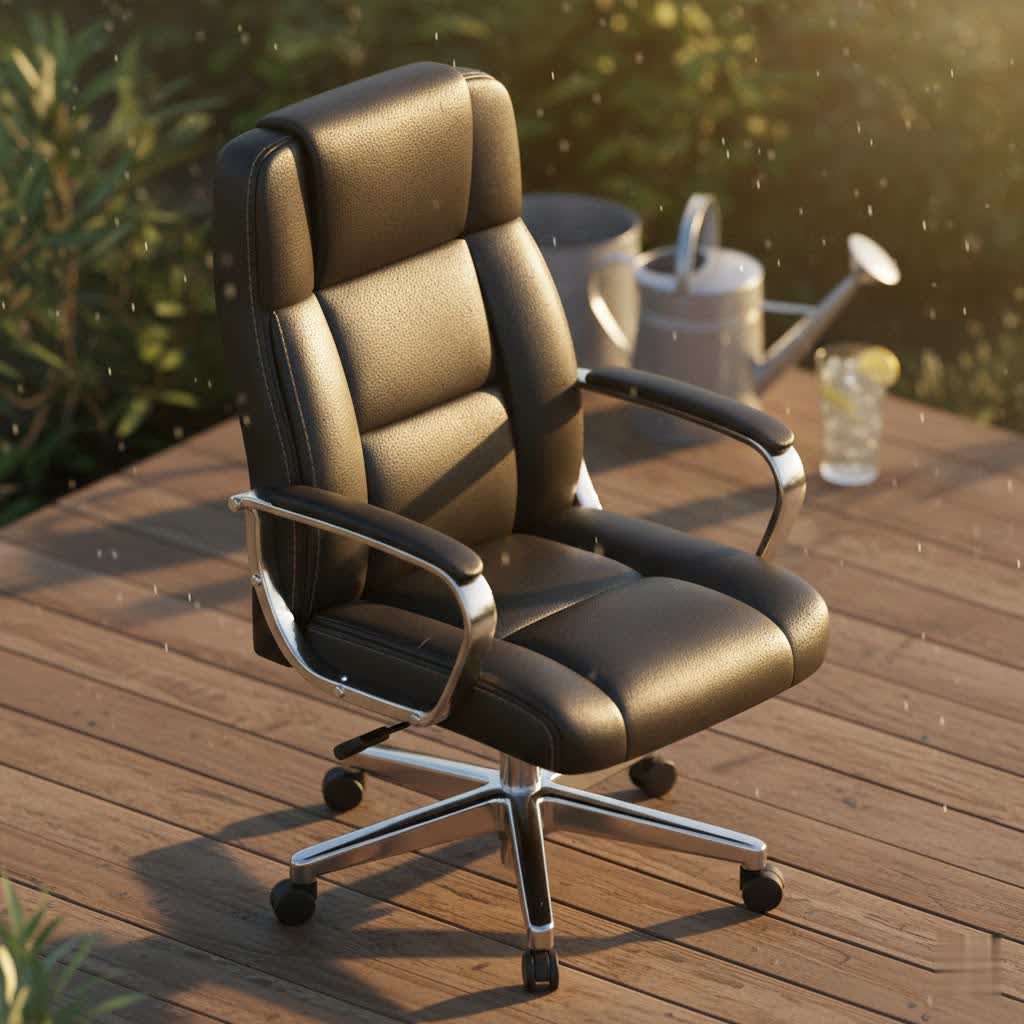
Spending long hours at a desk can take a significant toll on your body, often leading to discomfort, poor posture, and reduced productivity. An office chair is far more than just a place to sit; it’s a critical tool that profoundly impacts your health and overall well-being. Selecting the right office chair is an investment in your daily comfort and long-term health, directly influencing how focused and effective you can be throughout your workday. This comprehensive guide will walk you through the essential considerations, helping you make an informed decision to find the office chair that best suits your individual needs.
Understanding Different Office Chair Types
The market offers a diverse range of office chairs, each designed with specific features and purposes. Knowing these differences is the first step towards finding your ideal match.
Ergonomic Office Chairs
Ergonomic chairs are specifically engineered to provide optimal support, promote healthy posture, and minimize strain during prolonged sitting. They are the gold standard for anyone spending extended periods at their desk. These chairs boast numerous adjustable features, including seat height, depth, backrest angle, and lumbar support, allowing for extensive customization to fit an individual’s unique body shape and work style. Investing in an ergonomic chair can significantly alleviate back pain, neck strain, and improve overall physical comfort.
Task Chairs
Often considered the most common type, task chairs are versatile and generally designed for short to medium periods of work. They typically feature a swivel base, adjustable seat height, and sometimes a basic backrest tilt. Task chairs are practical for shared workspaces or environments where users may rotate frequently. While generally more affordable, their adjustability and support features are usually less comprehensive than those found in ergonomic models.
Executive Chairs
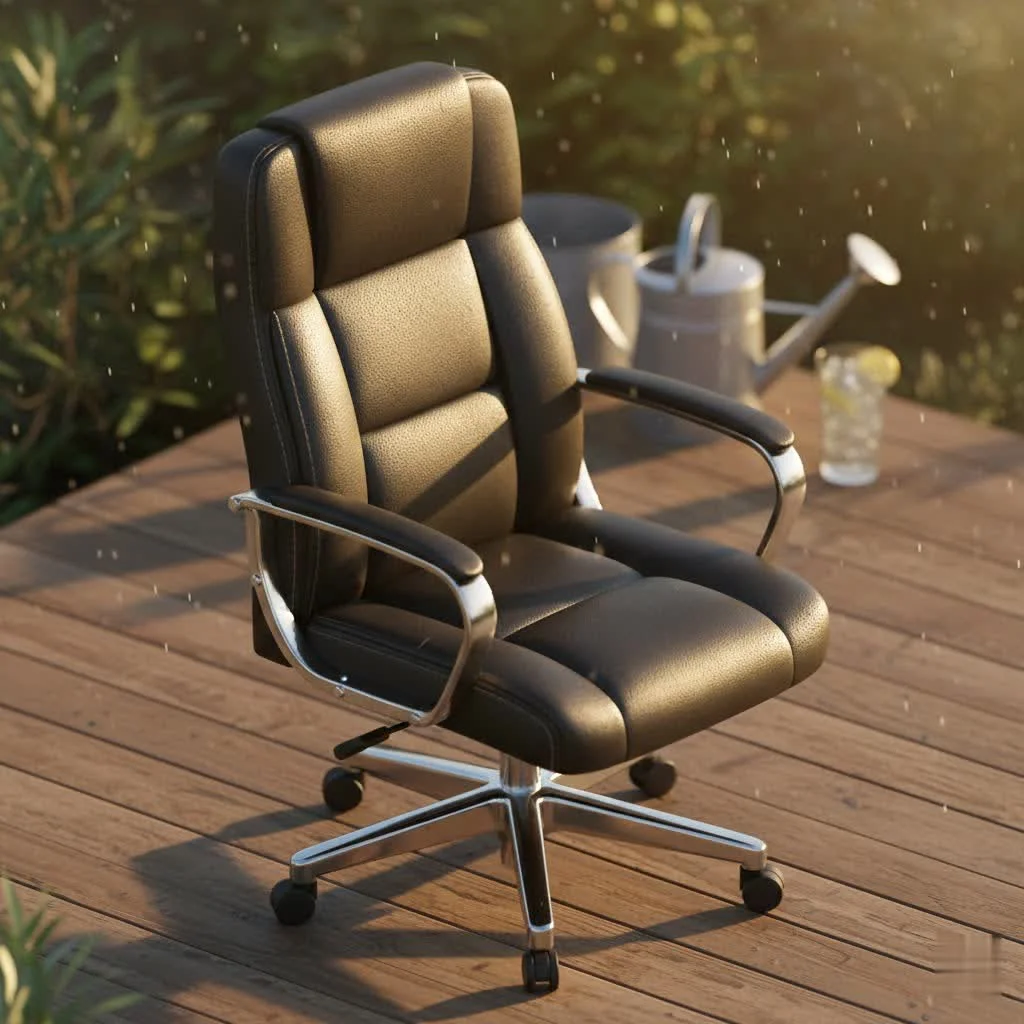
Executive chairs are designed to make a statement, prioritizing comfort, luxury, and style. They often feature high backs, thick padding, plush upholstery like genuine leather, and sophisticated designs. While providing ample cushioning and a commanding presence, they may not always offer the extensive ergonomic adjustability needed for individuals with specific postural support requirements during very long workdays. These chairs are popular in leadership offices or for those who value aesthetic appeal alongside comfort.
Mesh Office Chairs
Characterized by their woven mesh backrests (and sometimes seats), mesh chairs are highly breathable, promoting air circulation to keep you cool and comfortable, especially in warmer climates or non-air-conditioned spaces. They often incorporate good lumbar support and a modern, lightweight aesthetic. Many ergonomic chairs feature mesh components due to their excellent ventilation and supportive yet flexible qualities.
Leather Office Chairs
|
Our Picks for the Best Office Chair in 2026
As an Amazon Associate I earn from qualifying purchases.
|
||
| Num | Product | Action |
|---|---|---|
| 1 | BestOffice - Ergonomic Office Chair - Mid-Back Swivel Desk Chair - Breathable Backrest & Lumbar Support - Adjustable Height - Sponge Seat - Rolling Wheels - Black - for Adults & Women |

|
| 2 | TRALT Office Chair Ergonomic Desk Chair, 330 LBS Home Mesh Office Desk Chairs with Wheels, Comfortable Gaming Chair, High Back Office Chair for Long Hours (Black) |
|
| 3 | Ergonomic Office Chair with Footrest - Adjustable Lumbar Support & Headrest, 90-160° Reclining Mesh Back Computer Chair - Home Office/Gaming, 350lbs Capacity (SGS Certified) |
|
| 4 | Monhey Desk Computer Chairs - Ergonomic with Lumbar Support & Flip-up Arms Home Office Height Adjustable High Back Rockable Swivel 360° Warm Taupe Mesh Study Chair |
|
| 5 | TRALT Office Chair Ergonomic Desk Chair, 330 LBS Home Mesh Office Desk Chairs with Wheels, Comfortable Gaming Chair, High Back Office Chair for Long Hours (White) |
|
| 6 | Marsail Ergonomic Office Chair: Office Desk Chair with High Back Mesh and Adjustable Lumbar Support Rolling Work Swivel Task Chairs with Wheel 3D Armrests and Headrest |
|
| 7 | Amazon Basics Classic Puresoft PU Padded Mid-Back Height Adjustable Office Computer Desk Chair with Armrest, 26"D x 23.75"W x 42"H, Black |
|
| 8 | TRALT Office Chair - Ergonomic Desk Chair with Adjustable Lumbar Support, Mesh Computer Chair, Executive Chairs for Home Office Comfortable Lumbar Support (Black) |
|
| 9 | Amazon Basics Classic Puresoft PU Padded Mid-Back Height Adjustable Office Computer Desk Chair with Armrest, 26"D x 23.75"W x 42"H, Cream |
|
| 10 | Sweetcrispy Office Computer Desk Chair, Ergonomic High-Back Mesh Rolling Work Chairs with Wheels and Adjustable Headrests, Comfortable Lumbar Support, Comfy Flip-up Arms for Home, Bedroom, Study,Black |
|
Leather office chairs exude a sense of luxury and professionalism. Available in genuine or faux leather, they are generally easy to clean and offer a smooth, sophisticated look. While providing a firm, comfortable sit, pure leather chairs might be less breathable than mesh options, which could be a consideration for those who tend to overheat. They are also known for their durability and can develop an appealing patina over time.
Guest or Conference Chairs
These chairs are designed for shorter-term use in meeting rooms, reception areas, or as temporary seating for visitors. They typically have fewer adjustment options than personal desk chairs, focusing instead on a pleasing aesthetic and reasonable comfort for limited durations. They can range from simple four-legged designs to more cushioned, sled-base styles.
Big and Tall Chairs
Specifically constructed for individuals with larger body types, big and tall chairs offer increased seat width and depth, higher weight capacities, and more robust frames. They are designed to provide appropriate support and comfort where standard chairs may fall short, ensuring that every user can maintain proper posture without feeling cramped or unsupported.
Key Factors to Consider When Buying an Office Chair
Choosing the right office chair involves evaluating several critical elements to ensure it meets your specific needs for comfort, support, and longevity.
Comfort and Support
The primary function of an office chair is to support your body in a healthy, comfortable posture.
- Lumbar Support: Crucial for maintaining the natural inward curve of your lower back, preventing slouching and reducing the risk of back pain. Look for chairs with adjustable lumbar support in both height and depth to precisely fit your unique spinal curve.
- Backrest: Should follow the natural S-shape of your spine. Adjustable backrest height allows you to position the lumbar support correctly. Many chairs offer tilt and recline functions; a slight recline of 100-110 degrees can offload spinal pressure.
- Seat: The seat cushion should be comfortably padded and breathable. Ensure the seat depth allows for 2-4 inches of space between the back of your knees and the edge of the seat, preventing pressure on your thighs. The width should be generous enough to accommodate your hips comfortably.
- Armrests: Adjustable armrests are vital. They should allow you to rest your forearms comfortably, keeping your shoulders relaxed and your wrists level with your keyboard, reducing strain on your neck and shoulders. Look for height, width, and pivot adjustments.
- Headrest: For those who recline or take short breaks, a headrest provides essential support for the neck and head, reducing tension in the upper back.
Material
The material of your office chair impacts both comfort and maintenance.
- Mesh: Excellent for breathability and airflow, ideal for warm environments. It’s lightweight and often conforms well to the body.
- Leather (Genuine or Faux): Offers a luxurious feel and a professional appearance. It’s generally easy to clean but can be less breathable than mesh.
- Fabric: Comes in a wide range of colors and textures, providing diverse aesthetic options. Fabric chairs are often comfortable and offer good cushioning.
Adjustability
The more adjustable an office chair is, the better it can be customized to fit your body and work preferences. Key adjustments include:
- Seat Height: To ensure your feet are flat on the floor and thighs parallel to the ground.
- Tilt and Recline: For changing posture throughout the day and finding optimal spinal alignment.
- Backrest Angle and Height: To support the natural curve of your spine and position lumbar support correctly.
- Armrest Adjustments: As mentioned, height, width, and pivot are crucial for shoulder and neck comfort.
- Seat Depth: To provide adequate thigh support without restricting circulation behind the knees.
Durability and Lifespan
A quality office chair is a long-term investment.
- Frame: Look for sturdy construction materials like steel, aluminum alloy, or high-grade plastics that can withstand daily use.
- Casters (Wheels): High-quality casters provide smooth, quiet mobility and are essential for protecting your flooring.
- Weight Capacity: Ensure the chair’s weight capacity comfortably supports your body weight to prevent structural damage and ensure safety.
Size and Style
The chair’s dimensions should fit your body shape, and its aesthetic should harmonize with your office decor. Consider if a high-back, mid-back, or low-back design is appropriate for your support needs and space.
Comparison Table of Popular Office Chair Models
| Brand (Example) | Model Type | Pros | Cons | Price Range (Est.) |
|---|---|---|---|---|
| Ergonomic Pro | Ergonomic Mesh Chair | Excellent adjustability, superior breathability, dynamic lumbar support | Can be perceived as less “traditional” visually, some advanced models are expensive | Mid-range to Premium |
| Executive Comfort | High-Back Leather Chair | Luxurious appearance, professional aesthetic, durable and easy to clean | Less breathable for long hours, often heavier and less agile | Mid-range |
| Task Master | Standard Task Chair | Highly affordable, compact design, versatile for short tasks | Limited ergonomic adjustments, less support for extended use | Budget-friendly |
| Premium Ergonomic | Advanced Ergonomic Chair | Unparalleled customization, exceptional comfort and health benefits, built to last | Significant initial investment, may have a learning curve for adjustments | High-end Premium |
How to Choose the Right Office Chair for You
Navigating the options can be overwhelming, but a structured approach can simplify your decision.
- Identify Your Usage Needs: How many hours do you spend sitting daily? Do you have any existing back or neck pain, or specific ergonomic requirements? What is your budget for this investment? Answering these questions will narrow down your choices considerably.
- Research Thoroughly: Don’t rely solely on appearance. Read product reviews, compare features across different models, and watch video demonstrations to understand the chair’s functionalities. Pay attention to feedback regarding comfort and durability.
- Try Before You Buy: Whenever possible, visit a showroom to sit in potential chairs. Spend at least 10-15 minutes in each, adjusting all its features (height, tilt, armrests, lumbar support) to see how it feels. Mimic your typical sitting posture and movements.
- Purchase from Reputable Retailers: Choose stores or brands that offer clear warranty policies, return options, and reliable customer service. This ensures peace of mind with your investment.
Tips for Using and Maintaining Your Office Chair
Once you’ve found your perfect office chair, proper use and maintenance are key to maximizing its benefits and extending its lifespan.
- Regular Cleaning: Depending on the material, wipe down your chair frequently with a damp cloth to remove dust and spills. Use appropriate cleaning agents for leather, fabric, or mesh to prevent damage.
- Adjust for Correct Posture: Make sure to adjust your chair settings regularly to maintain optimal ergonomic posture. Your feet should be flat on the floor or on a footrest, thighs parallel to the ground, and forearms parallel to the desk.
- Take Regular Breaks: Even with the most ergonomic chair, prolonged static sitting is not advised. Stand up, stretch, and move around every 30-60 minutes to promote circulation and reduce stiffness.
- Inspect and Maintain Moving Parts: Periodically check the casters, swivel mechanism, and pneumatic cylinder for any signs of wear and tear. Lubricate moving parts if necessary, following the manufacturer’s guidelines, to ensure smooth operation.
“A good office chair is an investment in your health and productivity.”
Conclusion
The journey to finding the ideal office chair is a significant step toward improving your daily comfort, boosting productivity, and safeguarding your long-term health. By prioritizing essential features like comprehensive adjustability, superior lumbar support, and appropriate materials, you can select a chair that acts as a true partner in your professional life. Remember, a well-chosen office chair isn’t just furniture; it’s a foundation for a healthier, more productive you.
Are you ready to transform your workspace and experience the difference a truly supportive office chair can make?
Frequently Asked Questions
Are ergonomic office chairs truly beneficial for health?
Yes, ergonomic office chairs are highly beneficial for health. They are designed based on human physiology to support the body’s natural curves, promote good posture, and reduce strain on the spine, neck, and shoulders. Their extensive adjustability allows users to customize the chair to their unique body type, significantly mitigating the risk of musculoskeletal issues and improving overall comfort and focus during long hours of work.
Should I choose a leather or mesh office chair?
The choice between a leather and mesh office chair depends on your priorities. Mesh chairs offer superior breathability, making them ideal for warmer climates or if you tend to overheat, and often feature a modern aesthetic. Leather chairs, on the other hand, provide a luxurious feel, a classic professional look, and are generally easier to clean, though they may offer less airflow. Consider your personal comfort preferences, office environment, and desired aesthetic when deciding.
What is the typical price for a good office chair?
The price of a good office chair can vary widely based on its type, brand, materials, and range of ergonomic features. Basic task chairs can start from around $100-$200, while quality ergonomic chairs with extensive adjustability typically range from $300-$800. High-end, premium ergonomic chairs from renowned brands, offering superior design and durability, can cost upwards of $1,000 to $2,000 or more. Consider it an investment in your health and productivity.
Get our weekly buyer guide
Practical specs, not advice. Unsubscribe anytime.
