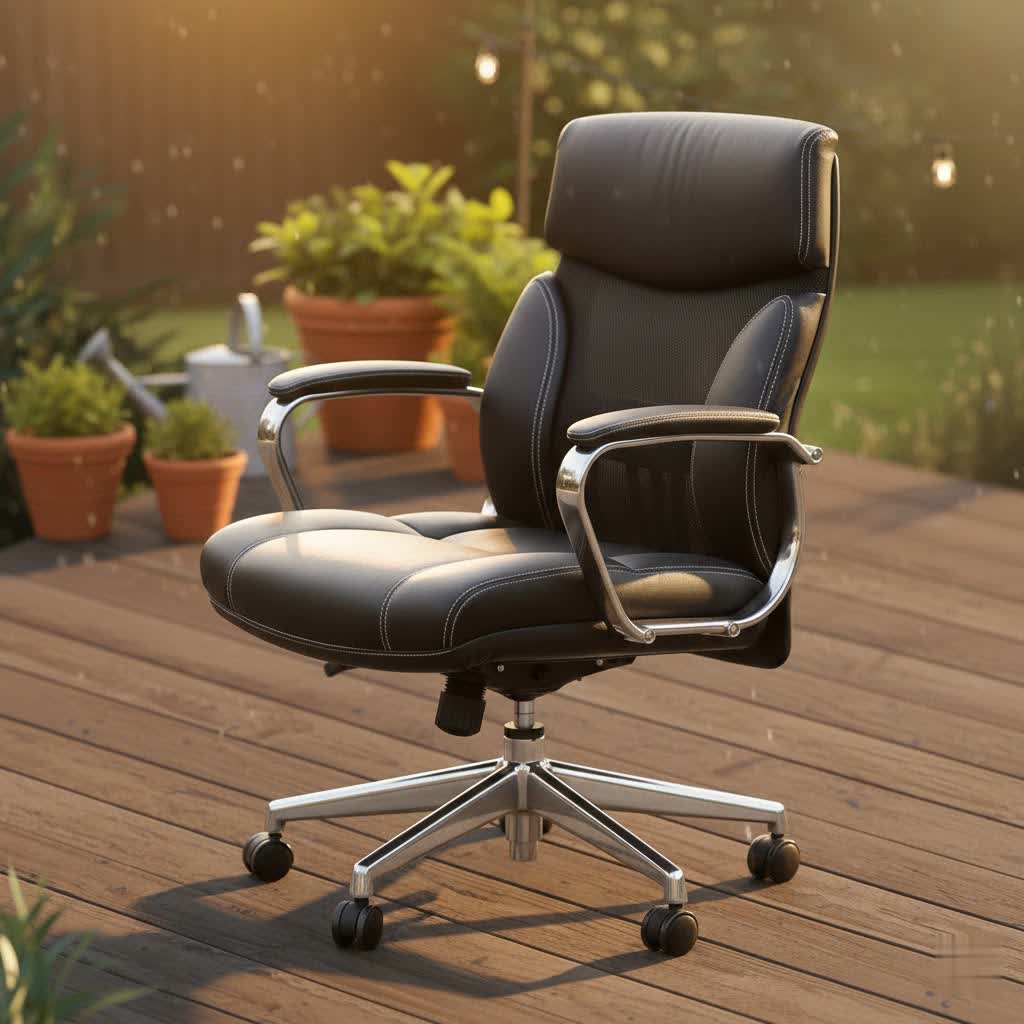
In today’s fast-paced work environment, your office chair is more than just a place to sit—it’s a crucial tool for productivity, comfort, and long-term health. If you’ve ever felt confined to your desk, struggling to reach items or shifting awkwardly to collaborate, you understand the limitations of a stationary seat. A high-quality rolling office chair is the cornerstone of an ergonomic workspace, offering the freedom of movement and essential support needed to thrive through long hours. This comprehensive guide will navigate you through the world of rolling office chairs, helping you understand their features, benefits, and how to select the perfect one to transform your daily work experience.
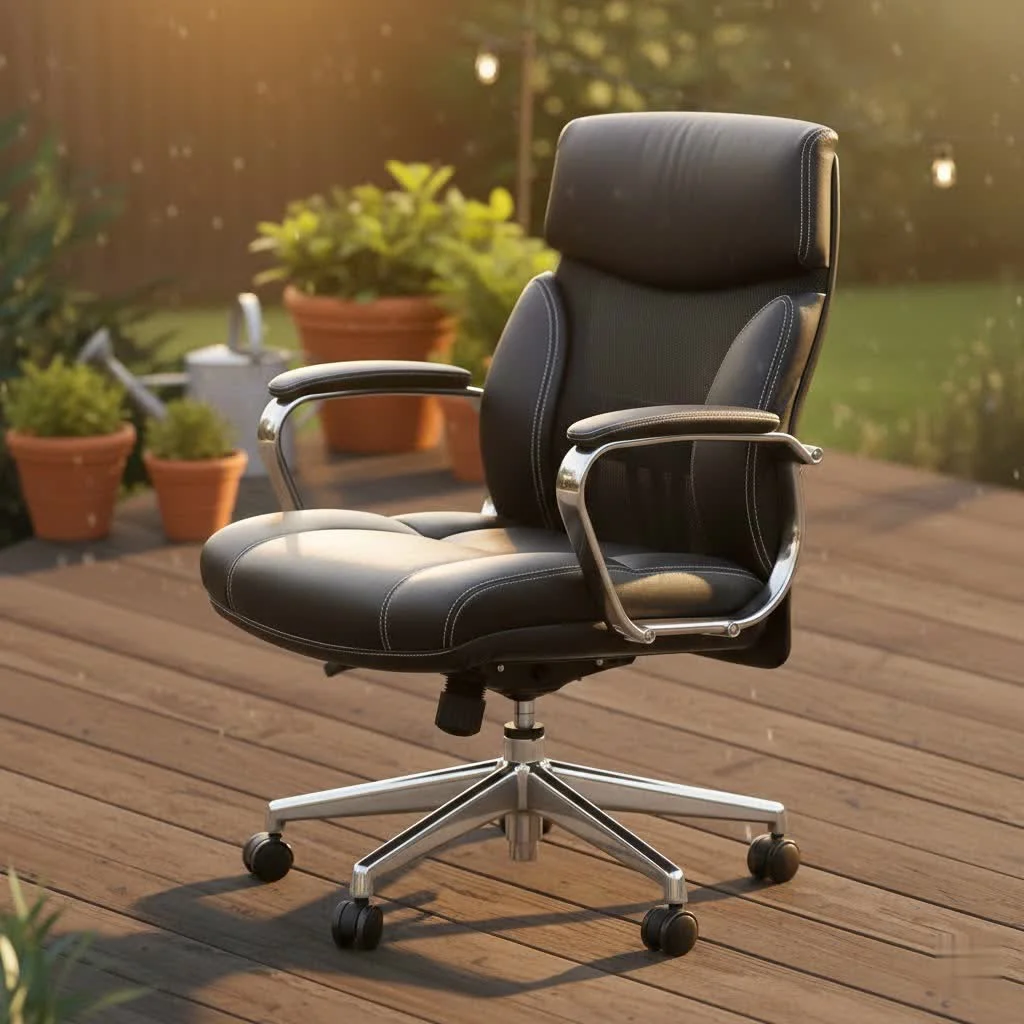
The Unseen Power of the Rolling Office Chair: Mobility and Beyond
The ability to move fluidly around your workspace without standing up or straining is a game-changer. Rolling office chairs, with their smooth-gliding casters and swivel mechanisms, provide unparalleled mobility. This isn’t just about convenience; it significantly reduces the physical effort involved in reaching for documents, turning to a secondary monitor, or engaging with colleagues. Enhanced mobility translates directly to improved efficiency and reduced fatigue throughout your workday.
Beyond movement, a well-designed rolling office chair integrates seamlessly into various office setups, from expansive corporate floors to compact home offices. Its adaptability means you can shift between tasks, access different zones of your desk, or even move to a nearby filing cabinet, all while maintaining a comfortable, supported posture. This flexibility is vital for dynamic work styles, promoting engagement and minimizing interruptions caused by physical discomfort.
Understanding Your Rolling Office Chair: Key Features to Prioritize
Choosing the right rolling office chair means looking beyond superficial aesthetics and focusing on features that deliver genuine ergonomic support, durability, and tailored functionality.
Ergonomic Adjustability: Your Personal Command Center
The hallmark of a superior rolling office chair lies in its adjustability, allowing you to customize it to your unique body shape and work posture.
- Seat Height Adjustment: Proper seat height ensures your feet are flat on the floor or a footrest, with your knees forming a roughly 90-degree angle. This prevents pressure on your thighs and maintains healthy circulation. Most rolling chairs use a pneumatic gas lift for smooth, easy height changes.
- Backrest & Lumbar Support: Your backrest should support the natural S-curve of your spine, particularly in the lower (lumbar) region. Look for chairs with adjustable backrest height and depth to position lumbar support precisely where you need it, alleviating pressure and preventing slouching.
- Armrests: Adjustable armrests are crucial for reducing strain on your shoulders, neck, and wrists. They should allow you to maintain your elbows at a 90-degree angle while typing, preventing tension. Optimal armrests adjust in height, width, and sometimes pivot to accommodate various tasks and body types.
- Seat Depth & Width: The seat pan should be deep enough to support most of your thighs, leaving about 2-4 inches between the edge of the seat and the back of your knees. This gap is essential for circulation. An adequately wide seat ensures even pressure distribution and allows for minor posture shifts.
- Tilt & Recline Functions: These features allow you to recline comfortably, reducing spinal compression and promoting movement.
- Tilt Tension Control lets you adjust the resistance when leaning back.
- Synchro-Tilt mechanisms recline the backrest more than the seat, keeping your feet grounded and maintaining a natural posture.
- Tilt Lock enables you to secure your preferred recline angle for focused work or relaxation.
Casters and Base: The Foundation of Mobility
|
Our Picks for the Best Office Chair in 2026
As an Amazon Associate I earn from qualifying purchases.
|
||
| Num | Product | Action |
|---|---|---|
| 1 | Amazon Basics Classic Puresoft PU Padded Mid-Back Height Adjustable Office Computer Desk Chair with Armrest, 26"D x 23.75"W x 42"H, Black |

|
| 2 | Monhey Desk Computer Chairs - Ergonomic with Lumbar Support & Flip-up Arms Home Office Height Adjustable High Back Rockable Swivel 360° Warm Taupe Mesh Study Chair |
|
| 3 | Sweetcrispy Office Computer Desk Chair, Ergonomic High-Back Mesh Rolling Work Chairs with Wheels and Adjustable Headrests, Comfortable Lumbar Support, Comfy Flip-up Arms for Home, Bedroom, Study,Black |
|
| 4 | BestOffice - Ergonomic Office Chair - Mid-Back Swivel Desk Chair - Breathable Backrest & Lumbar Support - Adjustable Height - Sponge Seat - Rolling Wheels - Black - for Adults & Women |
|
| 5 | TRALT Office Chair - Ergonomic Desk Chair with Adjustable Lumbar Support, Mesh Computer Chair, Executive Chairs for Home Office Comfortable Lumbar Support (Black) |
|
| 6 | Ergonomic Office Chair with Footrest - Adjustable Lumbar Support & Headrest, 90-160° Reclining Mesh Back Computer Chair - Home Office/Gaming, 350lbs Capacity (SGS Certified) |
|
| 7 | TRALT Office Chair Ergonomic Desk Chair, 330 LBS Home Mesh Office Desk Chairs with Wheels, Comfortable Gaming Chair, High Back Office Chair for Long Hours (White) |
|
| 8 | Amazon Basics Classic Puresoft PU Padded Mid-Back Height Adjustable Office Computer Desk Chair with Armrest, 26"D x 23.75"W x 42"H, Cream |
|
| 9 | Marsail Ergonomic Office Chair: Office Desk Chair with High Back Mesh and Adjustable Lumbar Support Rolling Work Swivel Task Chairs with Wheel 3D Armrests and Headrest |
|
| 10 | TRALT Office Chair Ergonomic Desk Chair, 330 LBS Home Mesh Office Desk Chairs with Wheels, Comfortable Gaming Chair, High Back Office Chair for Long Hours (Black) |
|
The wheels and base of your rolling office chair are fundamental to its functionality and stability.
- Wheel Quality (Casters): The type of casters profoundly impacts how your chair rolls and whether it damages your flooring.
- Hard Casters: Ideal for carpeted surfaces, providing less friction and smoother movement.
- Soft Casters (e.g., rubber, polyurethane): Best for hard floors like wood, tile, or laminate, as they prevent scratches and offer quiet gliding.
- Stable Base: A five-point (five-star) base is standard and essential for stability, evenly distributing weight and preventing tipping, even when reclining or shifting.
- Swivel Function: A 360-degree swivel allows you to rotate fully in any direction, minimizing the need for twisting your torso and reducing strain when accessing different areas of your desk.
Materials & Durability: Comfort Meets Longevity
The construction materials of your rolling office chair contribute to both comfort and its lifespan.
- Breathable Upholstery: Materials like mesh and breathable fabric are excellent for air circulation, preventing heat and moisture buildup during long sitting periods, especially in warmer climates.
- Comfort & Aesthetics: While mesh and fabric offer breathability, leather or high-quality PU leather can provide a luxurious feel and are often easier to clean. Foam padding should be dense and resilient to prevent flattening over time.
- Frame Construction: A robust frame made from materials like steel, aluminum alloy, or heavy-duty plastic ensures the chair’s stability and durability for years of use.
Choosing Your Perfect Rolling Office Chair: A Step-by-Step Guide
With so many options, finding the ideal rolling office chair can seem daunting. Follow these steps to make an informed decision:
1. Assess Your Needs
Start by honestly evaluating your daily work habits and physical requirements. How many hours do you spend sitting each day? Do you have any existing back pain or posture concerns? What is your height and weight, and does it align with standard chair dimensions? Crucially, determine your budget—a good ergonomic rolling chair is an investment, but options exist across various price points.
2. Research & Review
Leverage online resources to gather information. Read product reviews from trusted sources and fellow users. Look for detailed comparisons that highlight the pros and cons of different models and brands. Watch video reviews that demonstrate the chair’s adjustability and features in action. Pay attention to feedback regarding durability, comfort during long hours, and specific features like caster performance.
3. Try Before You Buy
Whenever possible, visit a showroom or store to physically try out chairs. Sit in prospective rolling office chairs for at least 10-15 minutes to get a true feel for their comfort and support. Adjust all the features—seat height, backrest tilt, lumbar support, armrests, and seat depth—to ensure they can be configured to your body. Pay attention to how easily the casters roll on different surfaces and if the swivel mechanism feels smooth.
4. Check Warranty & Return Policy
Purchase from reputable retailers or brands that offer clear warranty policies and reasonable return periods. A strong warranty indicates the manufacturer’s confidence in their product’s durability. Understanding the return policy provides peace of mind in case the chair doesn’t meet your expectations after extended use.
Top Rolling Office Chair Brands to Consider
While personal fit is paramount, certain brands have consistently delivered high-quality, ergonomic rolling office chairs that are celebrated for their design, durability, and comfort. Brands like Herman Miller, known for iconic designs and extensive adjustability, Steelcase, offering robust build quality and comprehensive ergonomic features, and Sihoo, a popular choice for feature-rich ergonomic chairs at a more accessible price point, are often recommended. Other strong contenders include Branch and Newtral, which focus on modern aesthetics and advanced ergonomic support.
Maximizing Longevity: Tips for Rolling Office Chair Care
A well-maintained rolling office chair will provide comfort and support for years.
- Regular Cleaning: Depending on the material, clean your chair regularly. Mesh and fabric can be vacuumed and spot-cleaned, while leather requires specific cleaners and conditioners to prevent cracking.
- Proper Adjustment: Continuously adjust your chair throughout the day to support various postures and movements. Avoid sitting in a fixed position for too long; take short breaks and stretch.
- Caster Maintenance: Periodically check and clean your casters, removing any hair or debris that might impede smooth rolling. For optimal performance and floor protection, consider replacing standard casters with specialized ones if your flooring changes.
- Routine Checks: Tighten any loose screws or bolts and inspect for wear and tear on upholstery or moving parts. Addressing small issues promptly can prevent larger problems.
“Investing in a high-quality rolling office chair is not merely a purchase; it’s an investment in your well-being, productivity, and professional longevity.” – Emma Thompson, Ergonomics Consultant.
Conclusion
Choosing the right rolling office chair is a pivotal decision that impacts your comfort, health, and productivity in the long run. By prioritizing ergonomic adjustability, understanding caster types for your flooring, and selecting durable materials, you can find a chair that perfectly suits your needs. Remember to assess your personal requirements, research thoroughly, and, if possible, experience chairs firsthand. A well-chosen rolling office chair isn’t just a piece of furniture; it’s a dynamic partner that empowers you to move, focus, and perform at your best every single day. What kind of impact do you imagine a truly great rolling office chair could have on your daily work life?
Frequently Asked Questions
Are rolling office chairs truly better for my health compared to stationary chairs?
Yes, well-designed rolling office chairs, especially ergonomic ones, can significantly benefit your health. They encourage movement, reduce static posture, and allow for proper spinal alignment through various adjustments. This mobility and support can prevent musculoskeletal pain, improve circulation, and reduce the risk of long-term discomfort associated with prolonged sitting.
How do I choose the right casters for my office floor?
The choice of casters depends on your flooring type. For carpeted floors, hard plastic casters are generally recommended as they offer less friction and roll more smoothly. For hard surfaces like wood, tile, or laminate, soft rubber or polyurethane casters are ideal to prevent scratching, minimize noise, and provide better grip.
What’s the ideal price for a good rolling office chair?
The “ideal” price for a rolling office chair varies widely based on features, brand, materials, and durability. You can find basic functional chairs for under $100, but ergonomic models with extensive adjustability and high-quality materials typically range from $300 to over $1000. Consider it an investment in your health and productivity, balancing your budget with the expected hours of daily use.
Can a rolling office chair cause back pain?
While a rolling office chair is designed to provide comfort and support, an improperly chosen or adjusted one can contribute to back pain. Lack of adequate lumbar support, incorrect seat height or depth, or a static posture maintained for too long can all strain your back. Proper adjustment and regular movement are key to preventing discomfort.
What’s the difference between a task chair and an executive rolling chair?
A task chair is typically a smaller, more basic rolling office chair designed for general office work, often with fewer adjustments and a compact footprint. An executive rolling chair, on the other hand, is usually larger, more heavily padded, features more luxurious materials (like leather), and often offers extensive ergonomic adjustments, designed for long hours and a more commanding presence.
Get our weekly buyer guide
Practical specs, not advice. Unsubscribe anytime.
